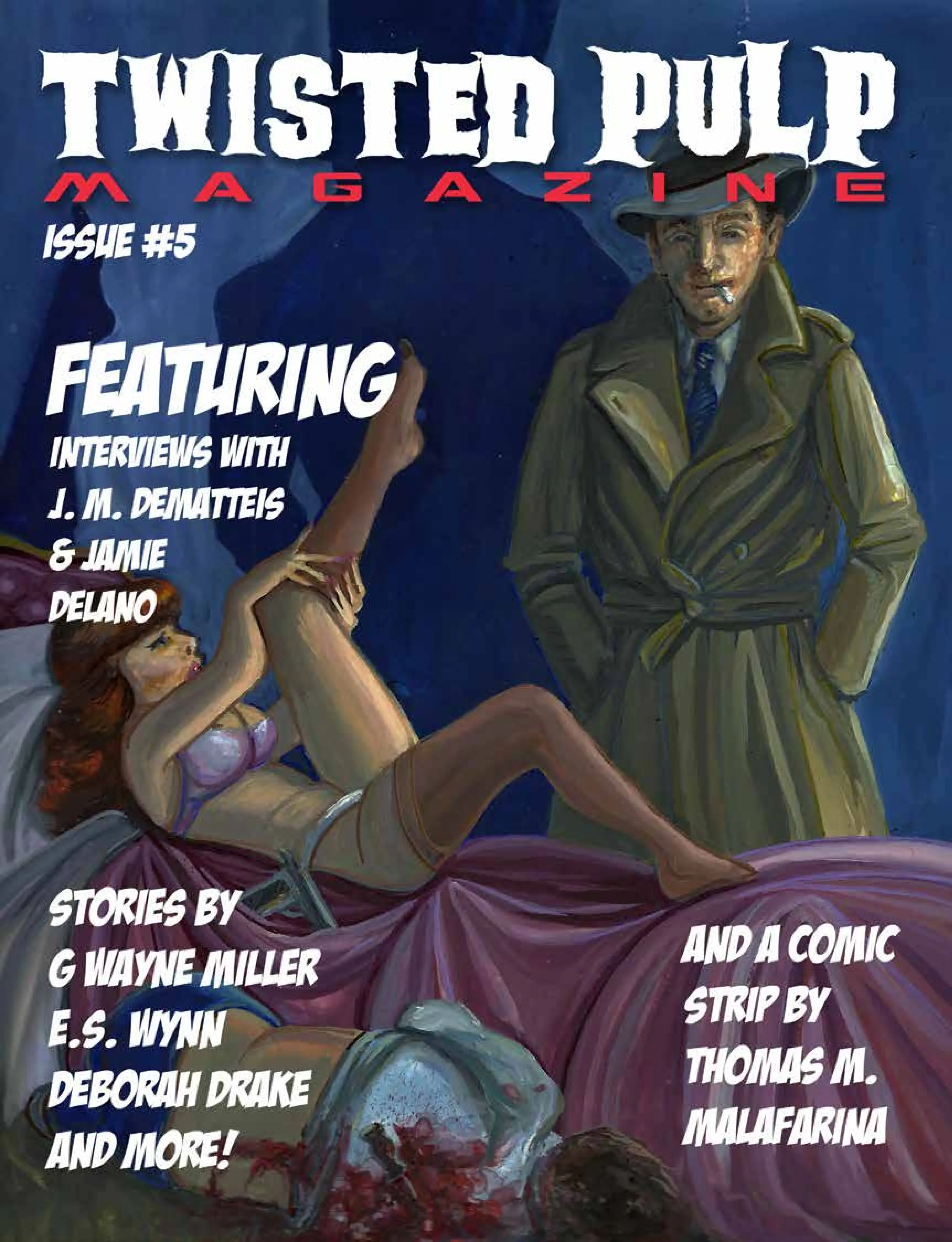
- Editorial #5
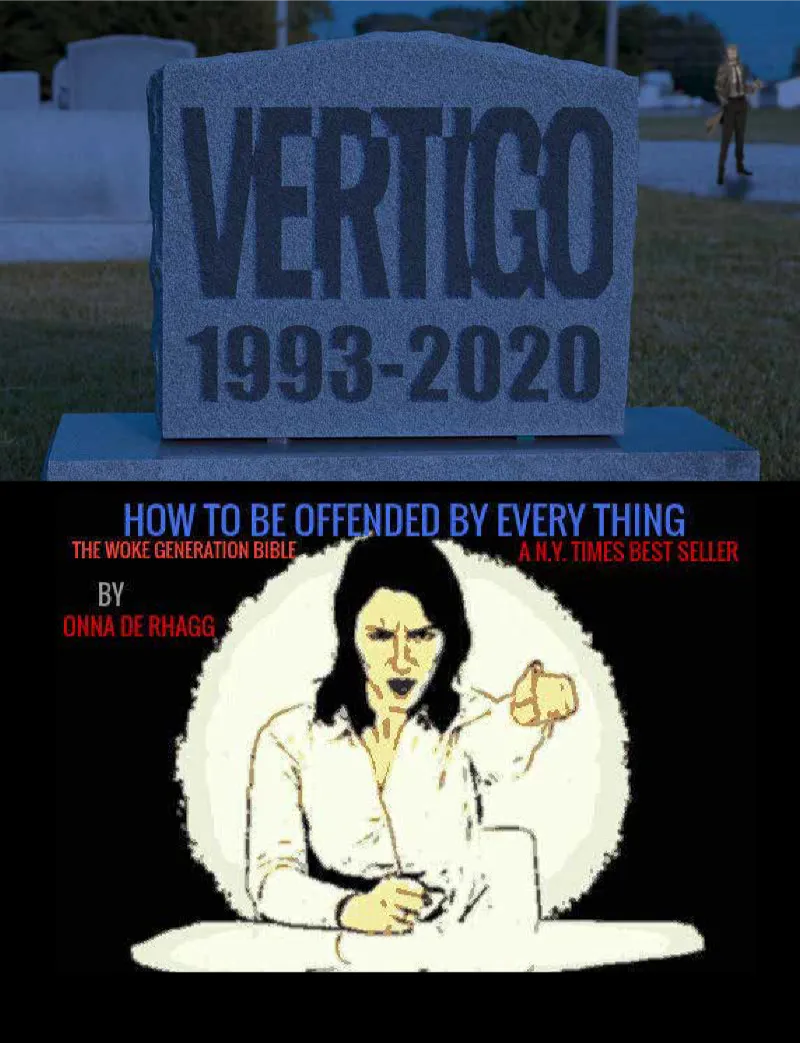
- Vertigo 1993-2020
- J.M. DeMatteis on Comics, Animation, and Beyond
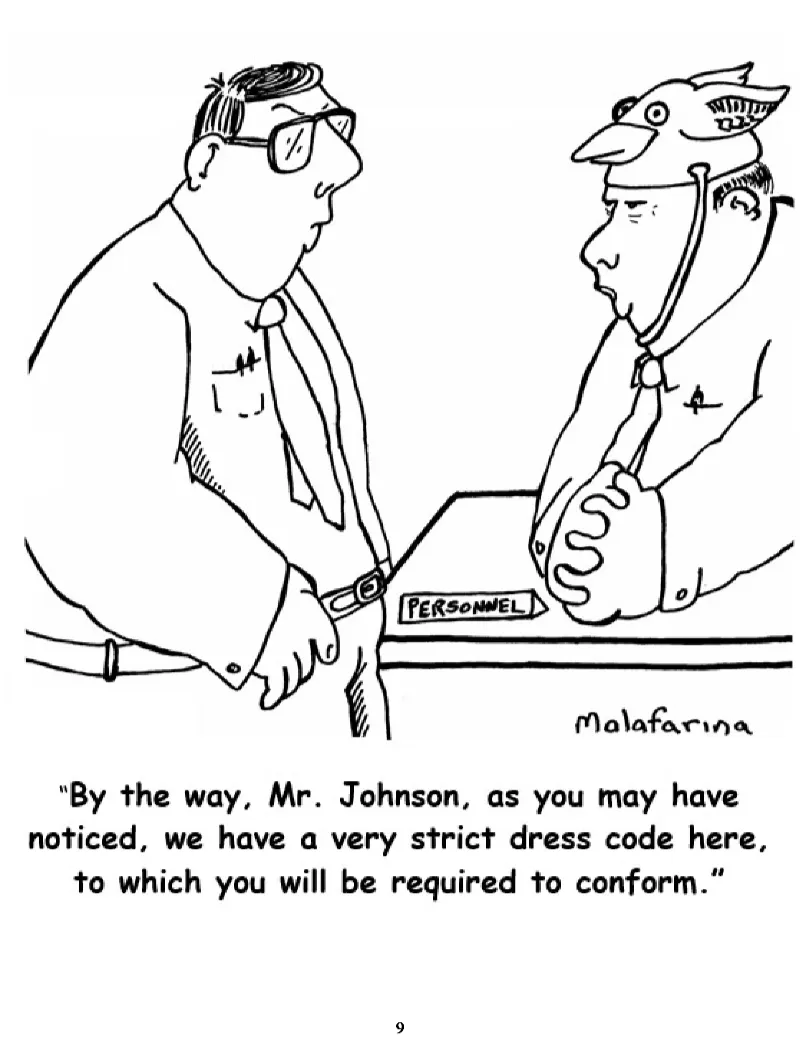
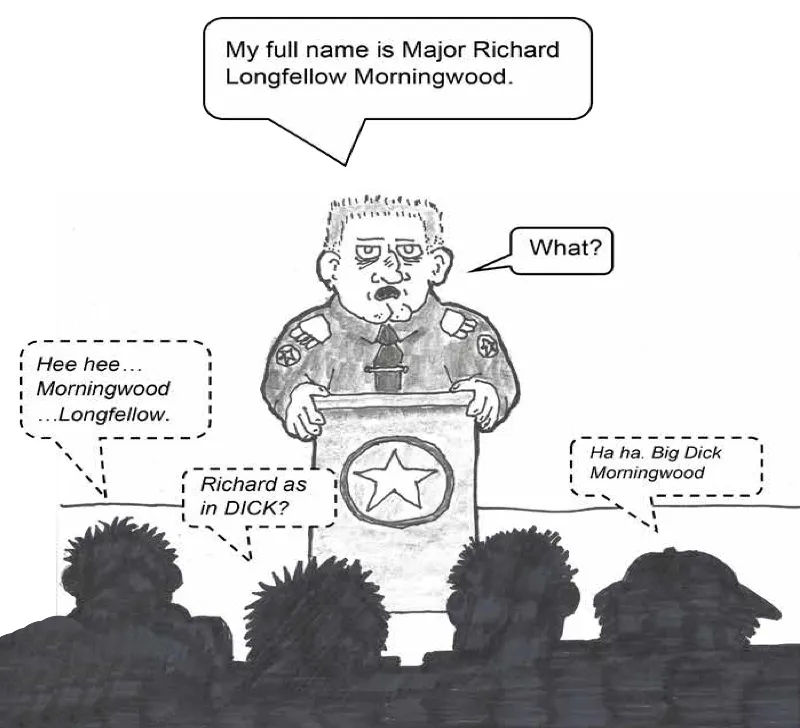
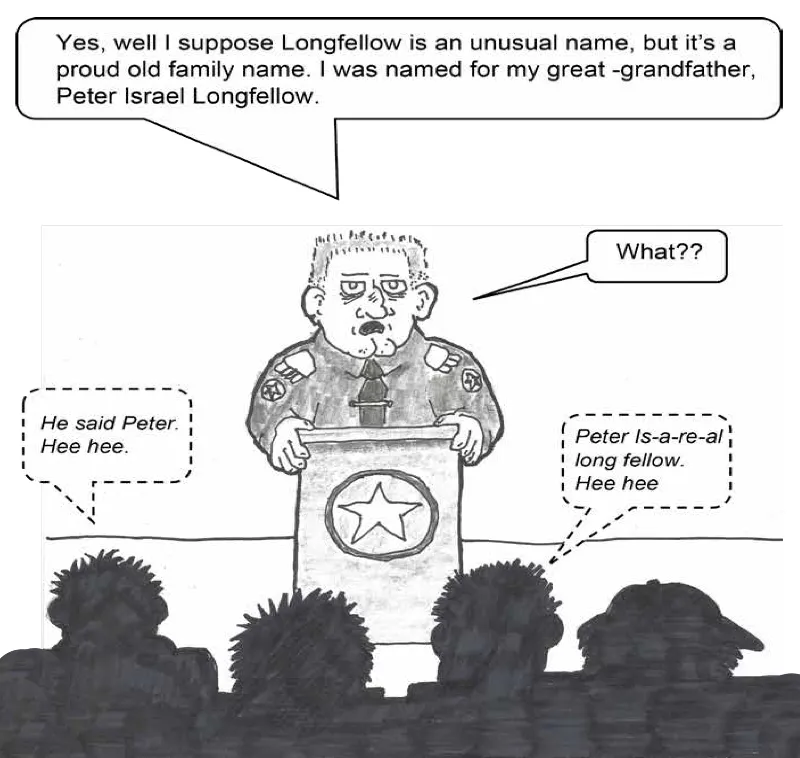
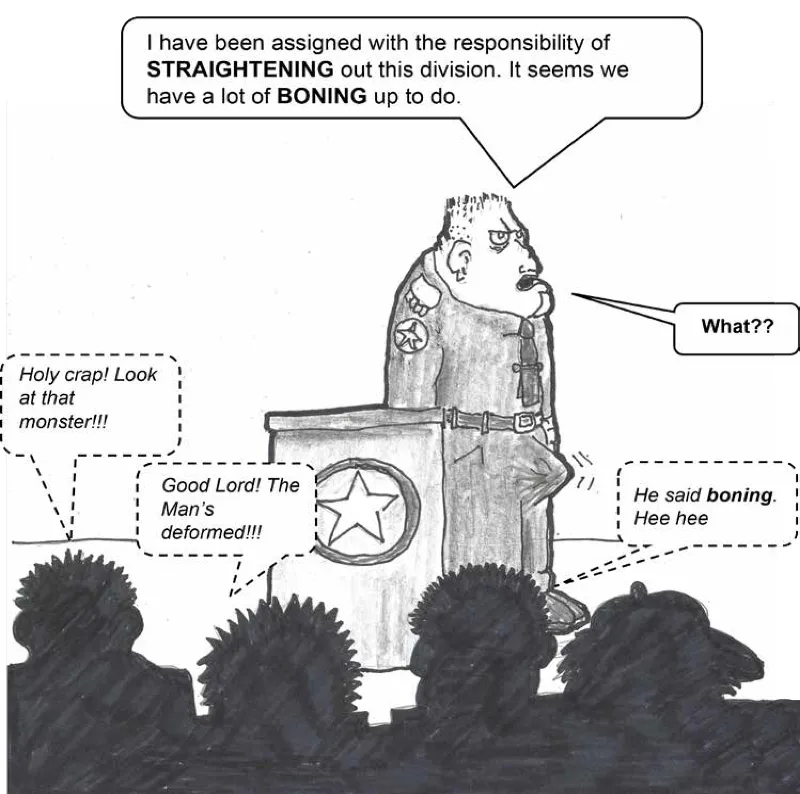
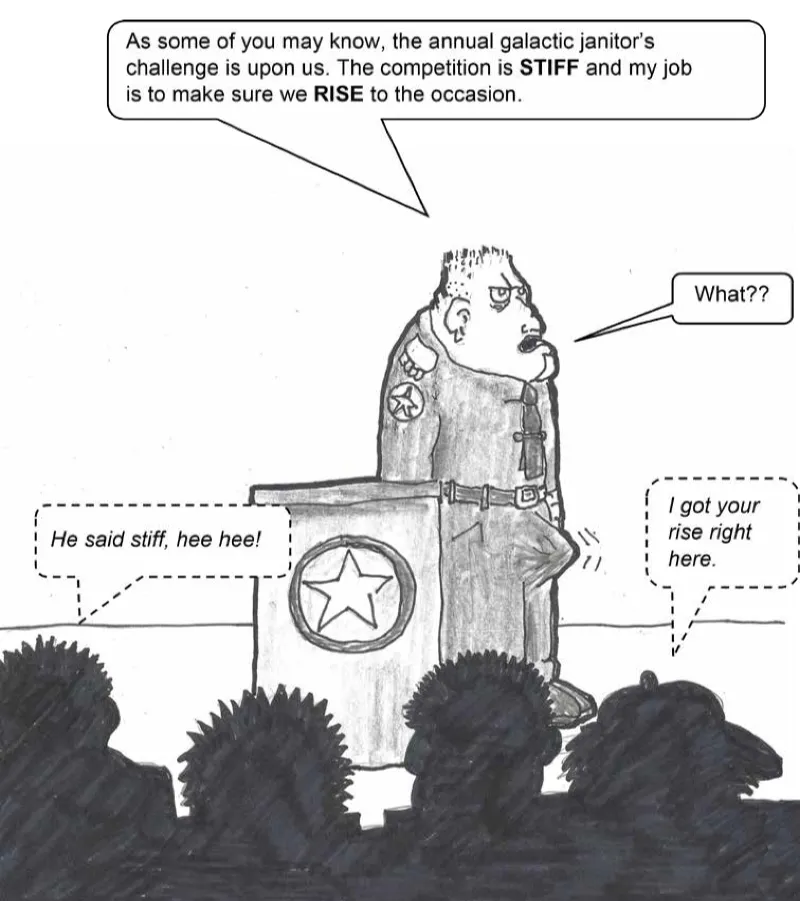
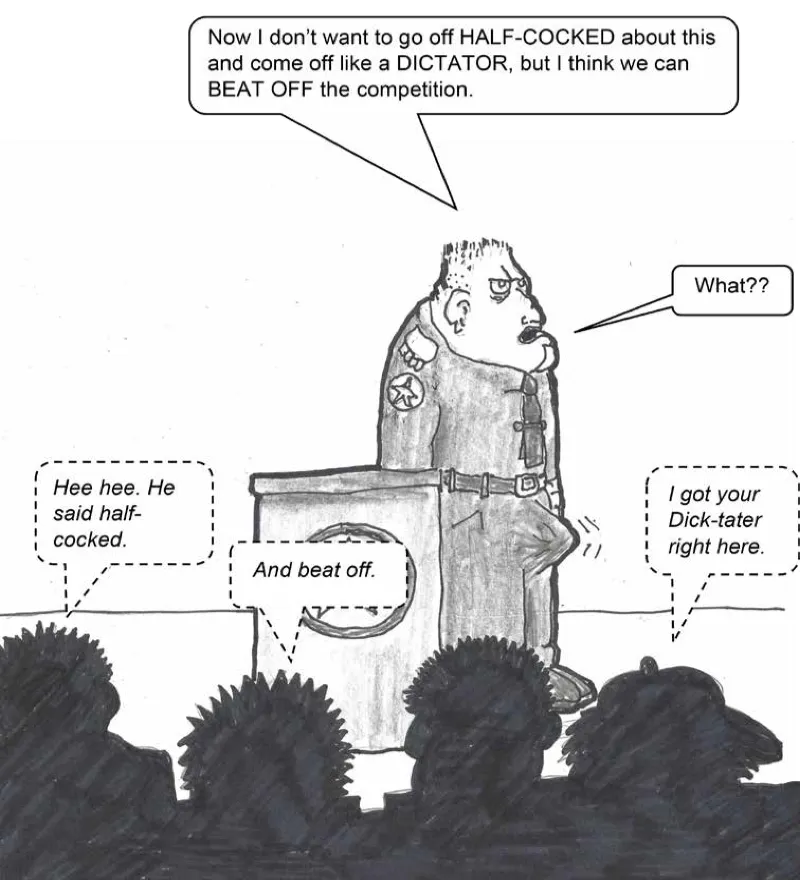
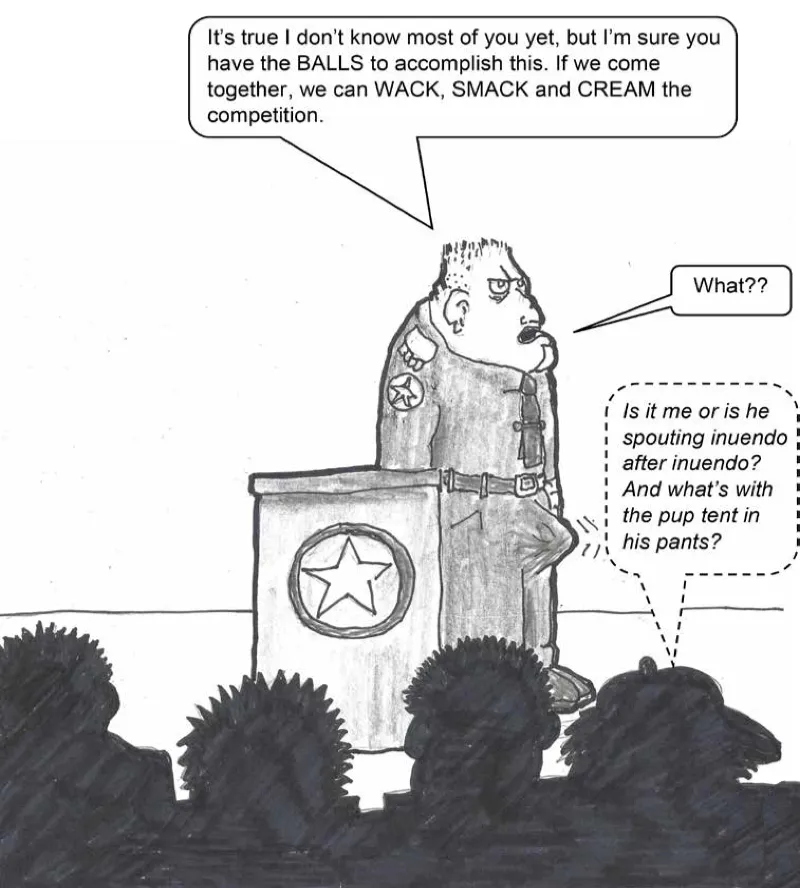
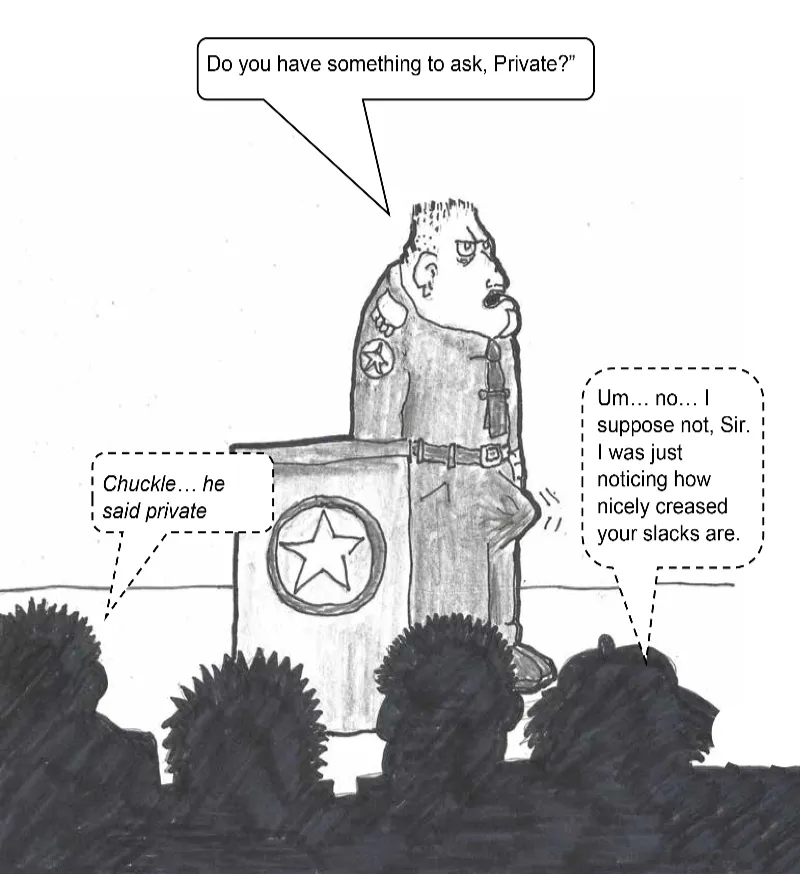
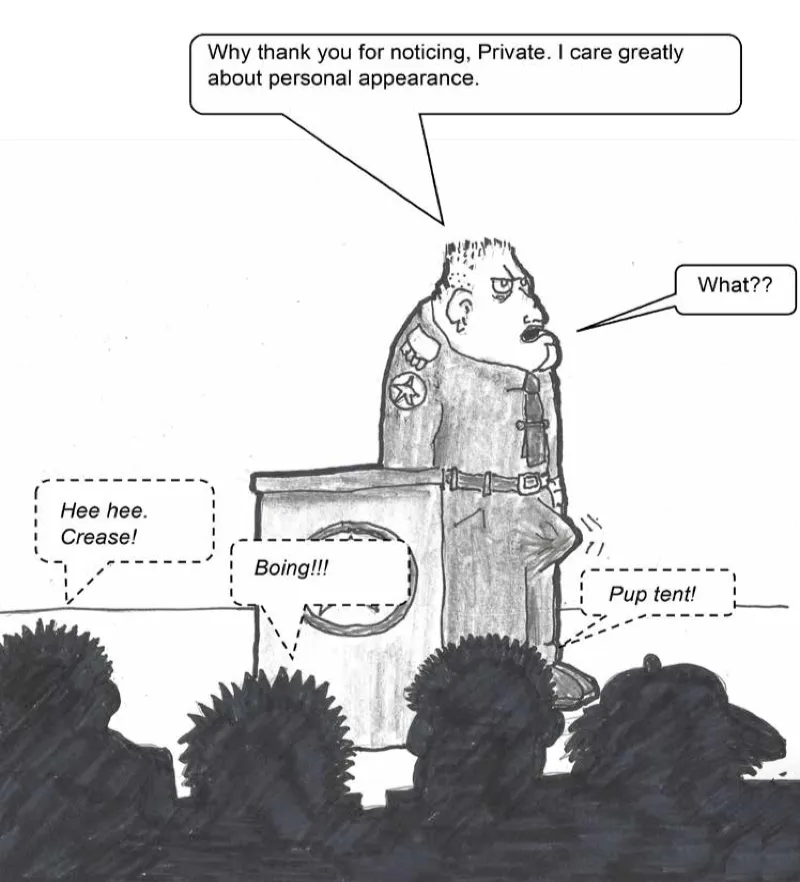
- Dress Code: A Maladjusted Cartoon from Thomas Malafarina
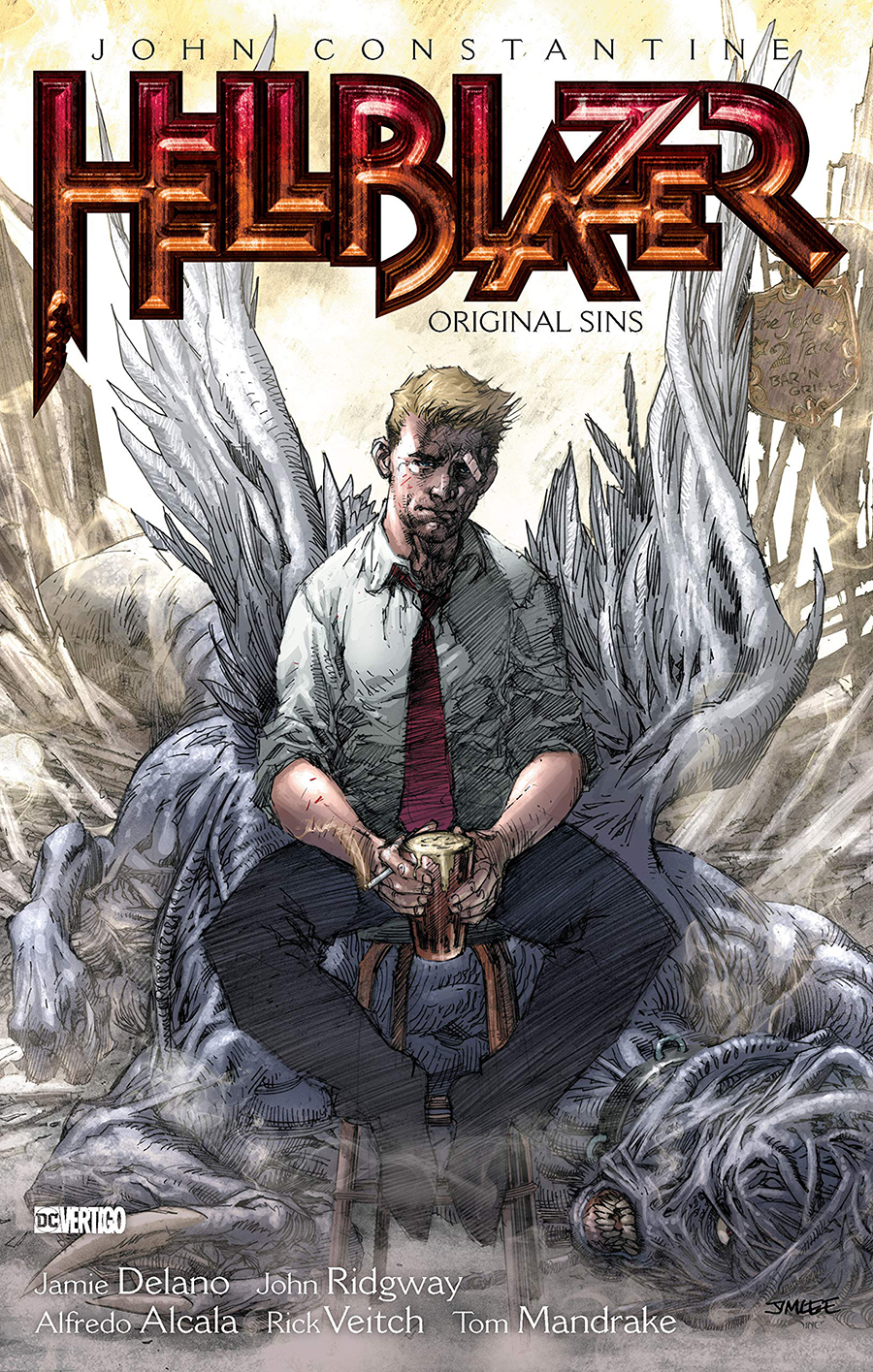
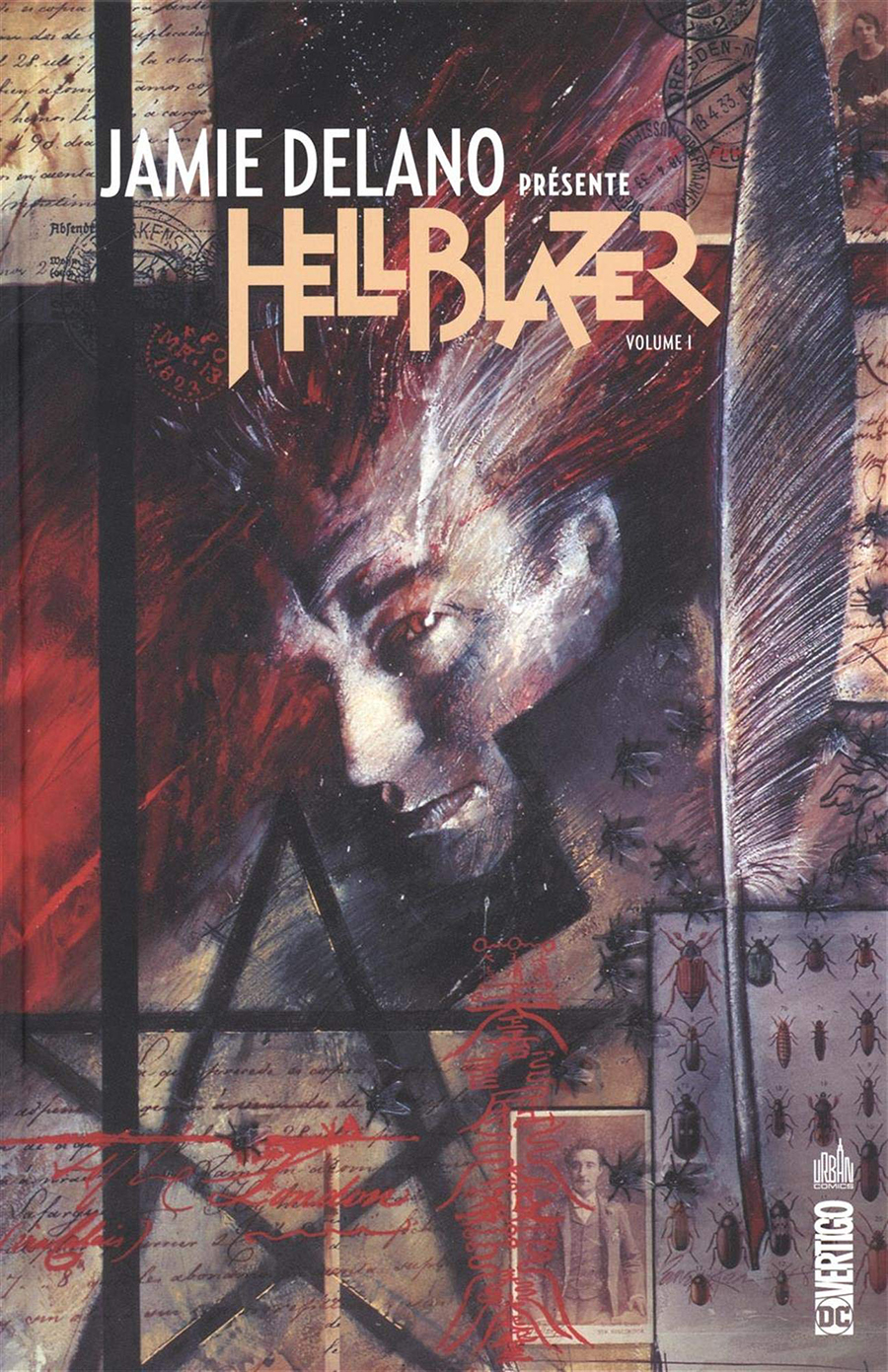
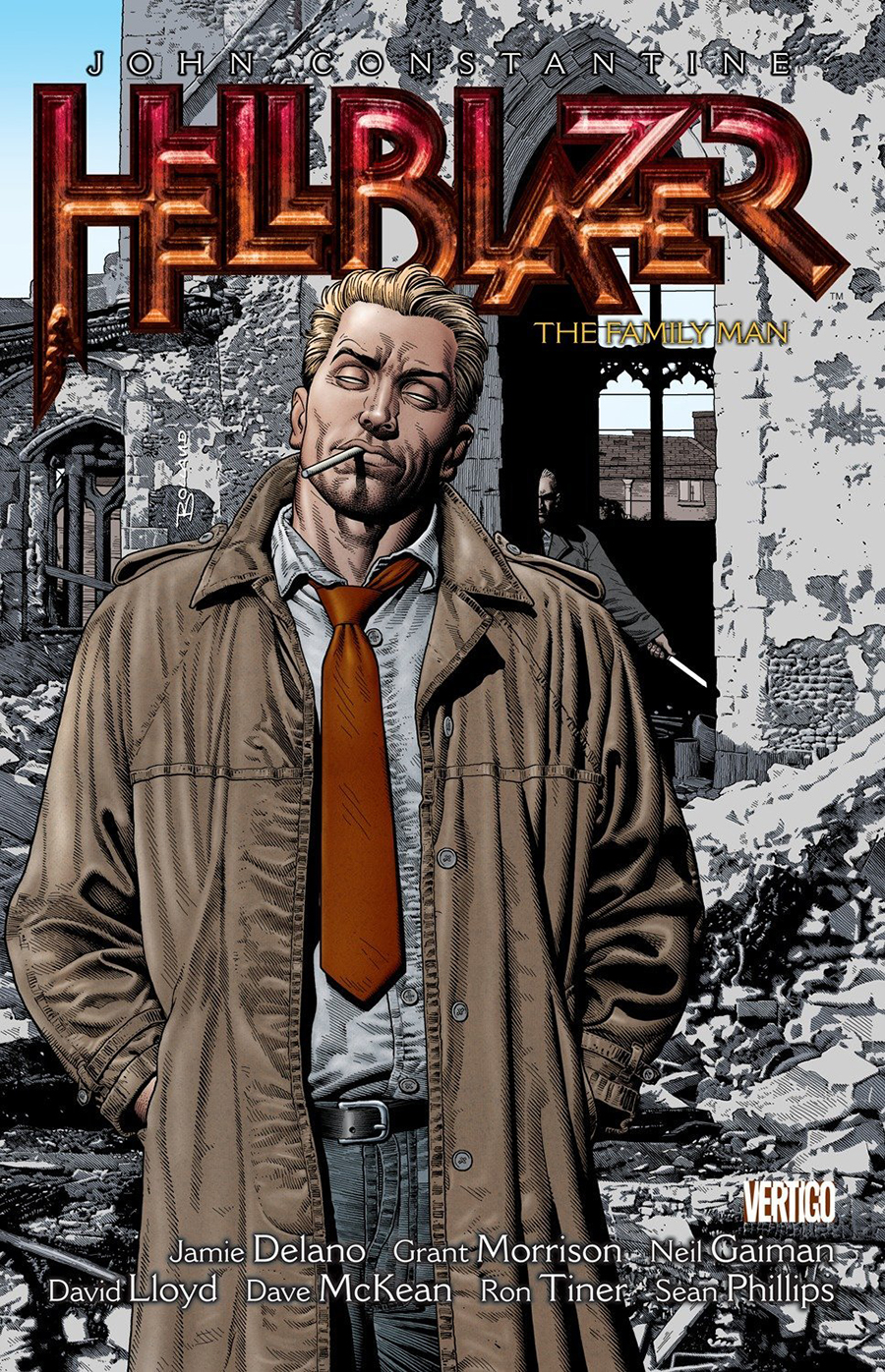
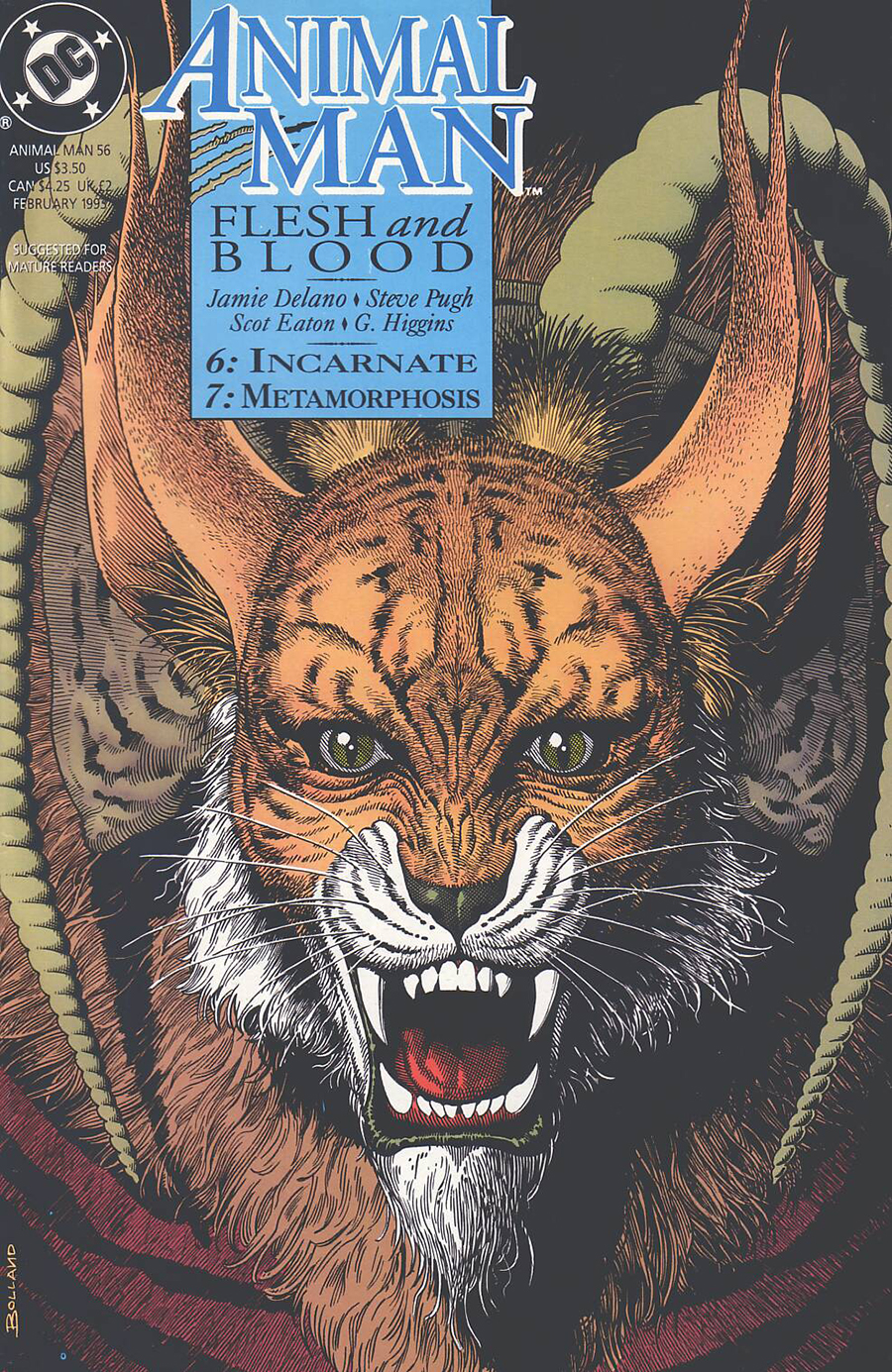
- Jamie Delano Talks Hellblazer, Writing, and Creative Freedom in Comics
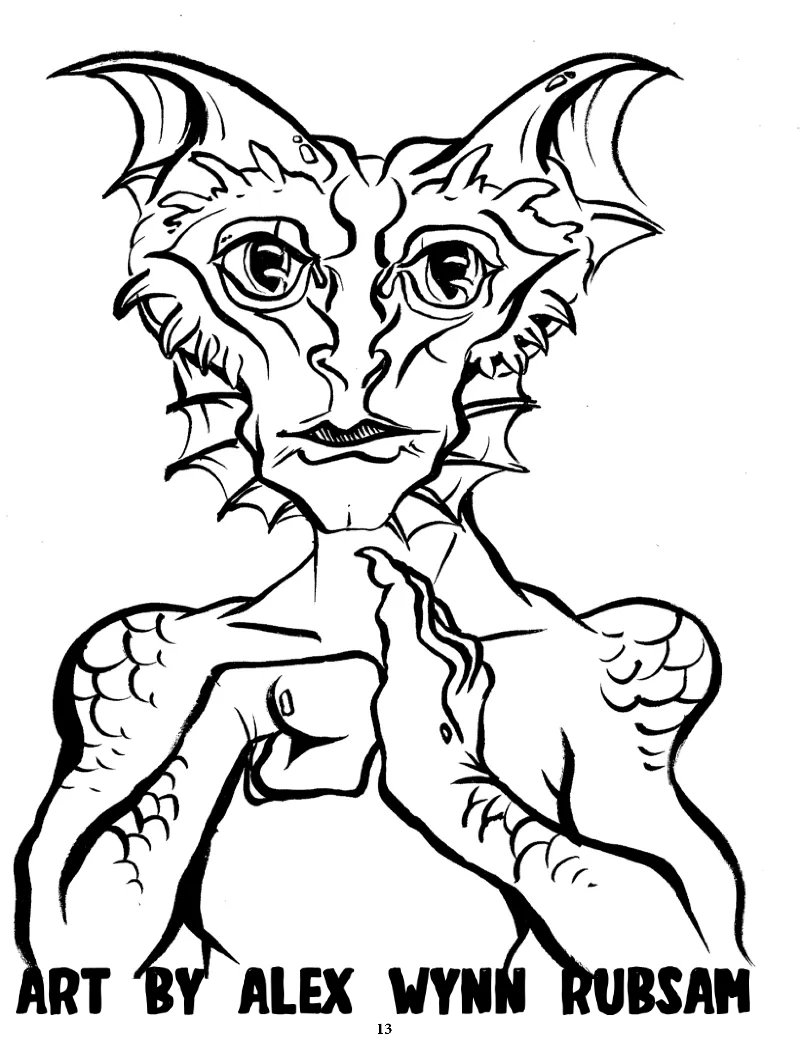
- Art by Alex Wynn Rubsam
- Astride Twin Seas By E.S. Wynn
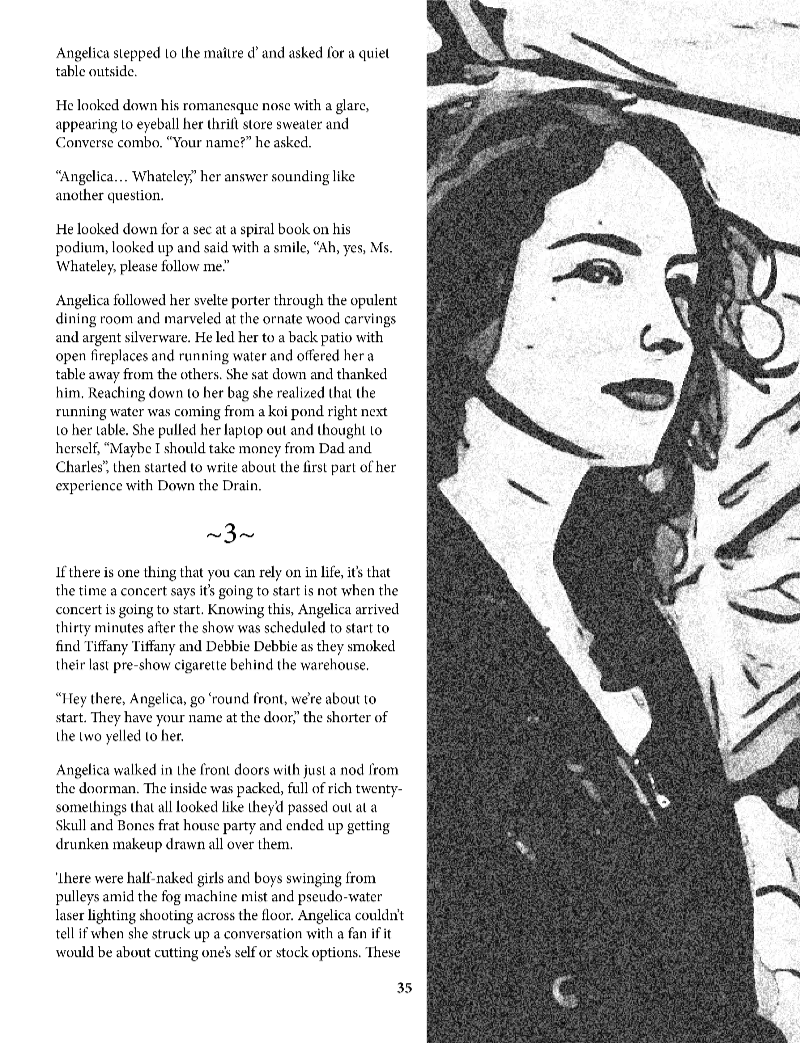
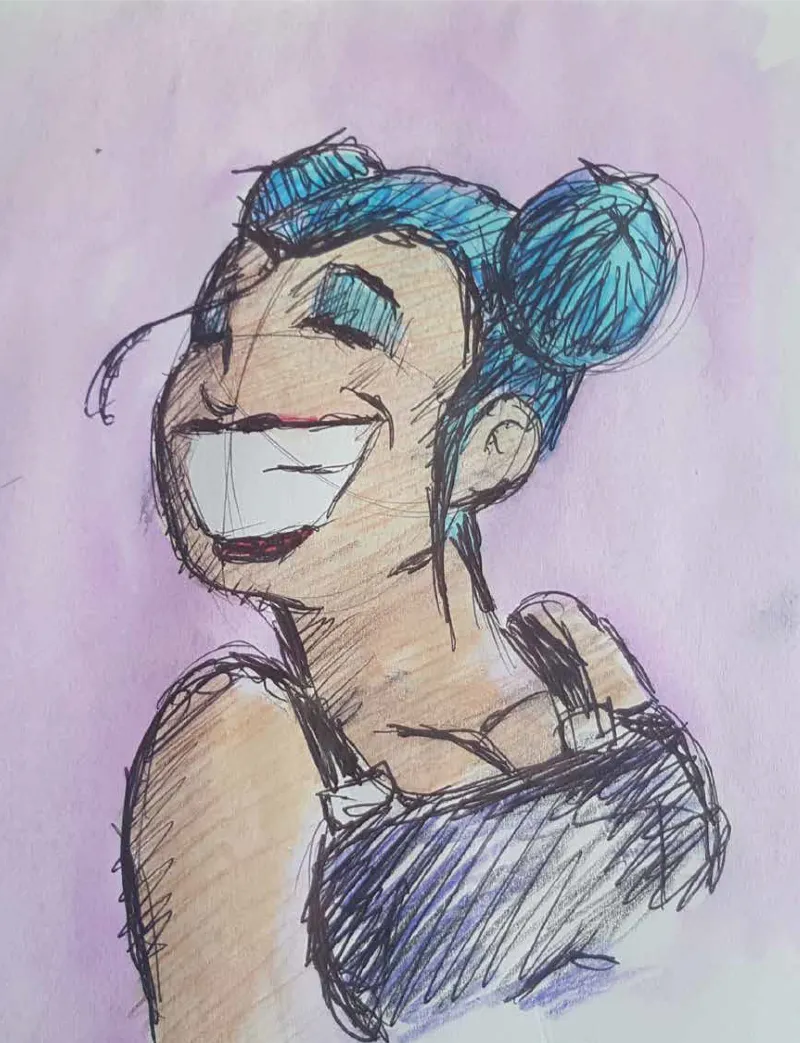
- Jessica’s Eccentric Art
- Since the Sky Blew Off
- The Vampire’s First Rule by Deborah Drake
- Everyone is Different Respect the Differences
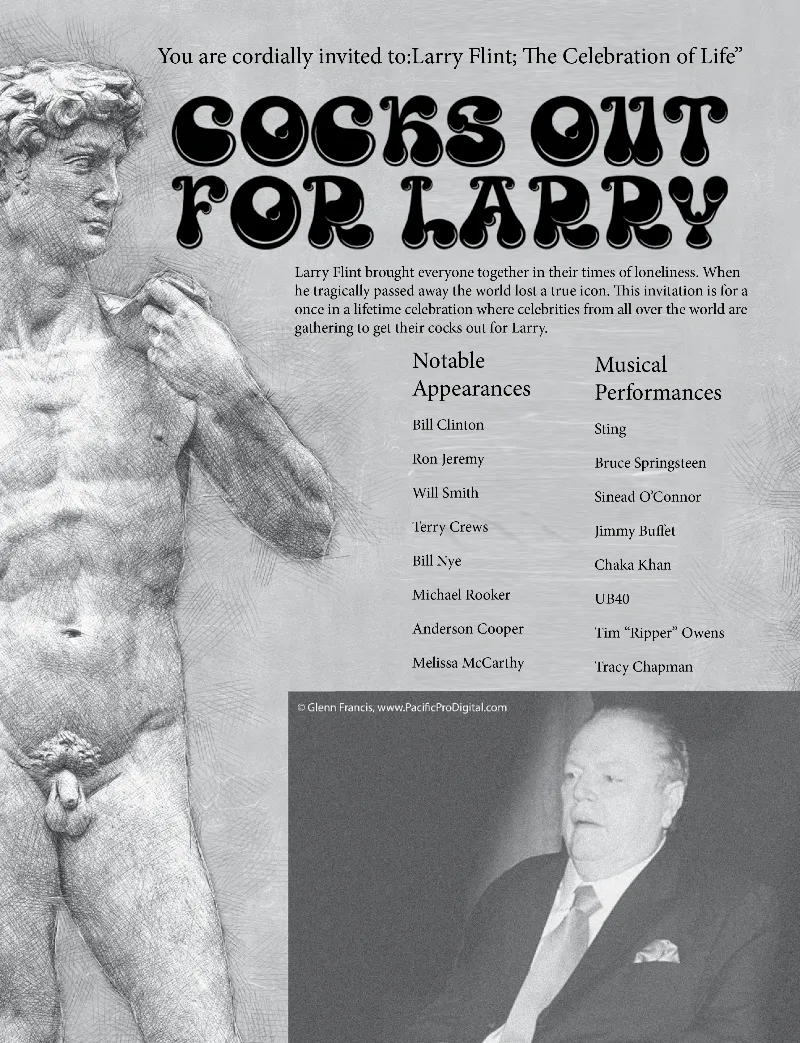
- Cocks Out for Larry
- Of Eons and Stars pt. 7
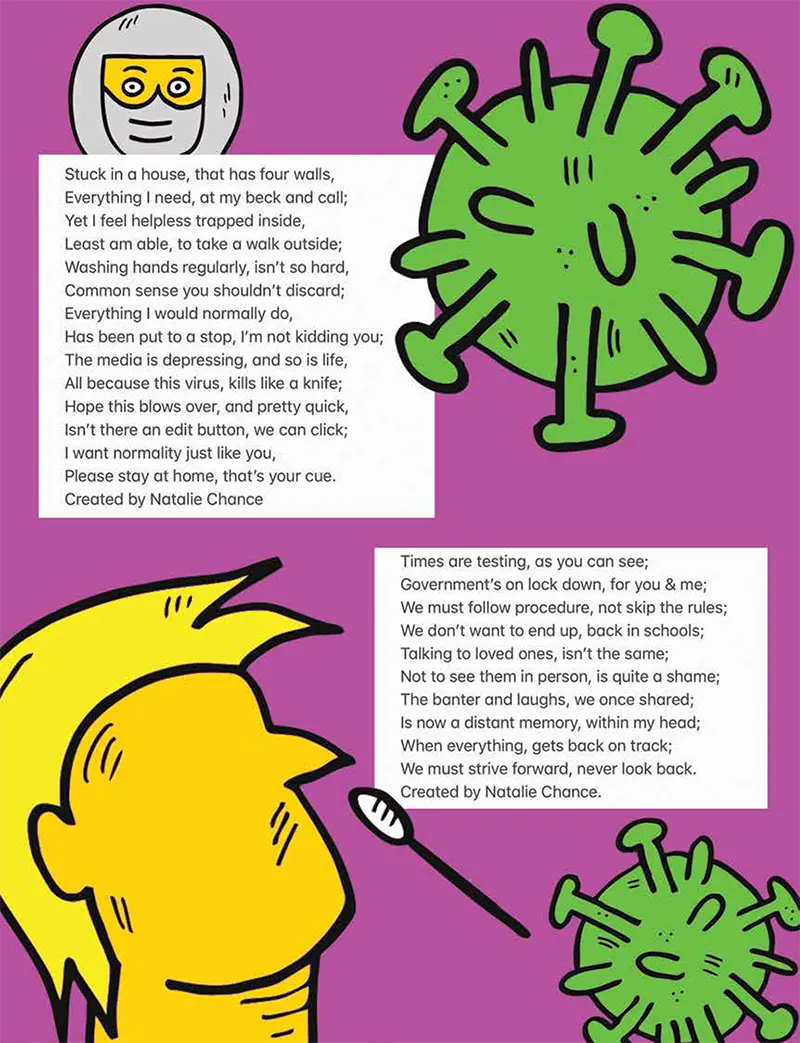
- Poetry by Natalie Chance
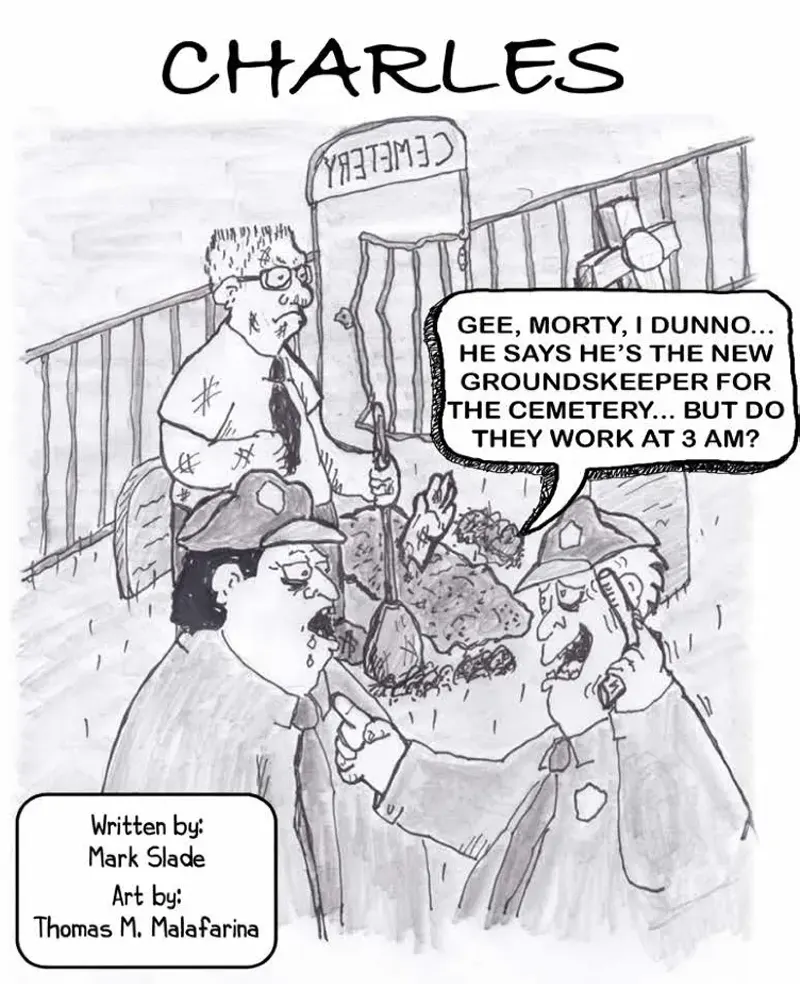
- Charles: Cemetery Groundskeeper
- One Night in the City
- 10 Questions for Roxie Cage
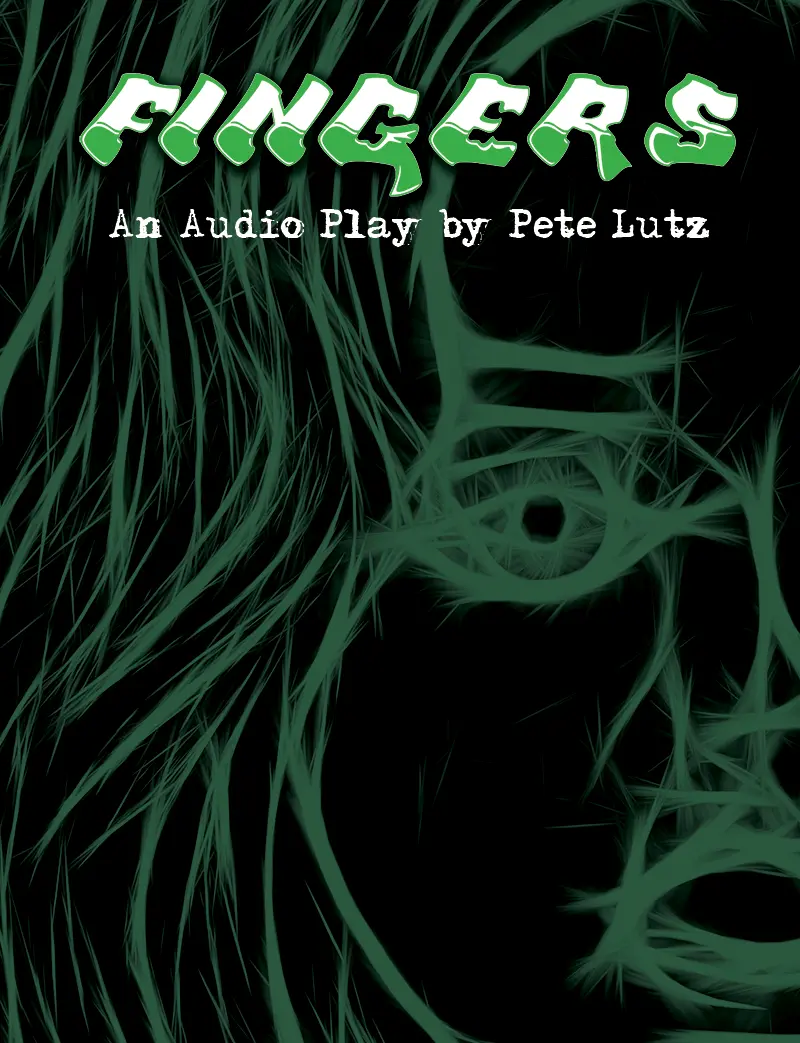
- Fingers An Audio Play by Pete Lutz
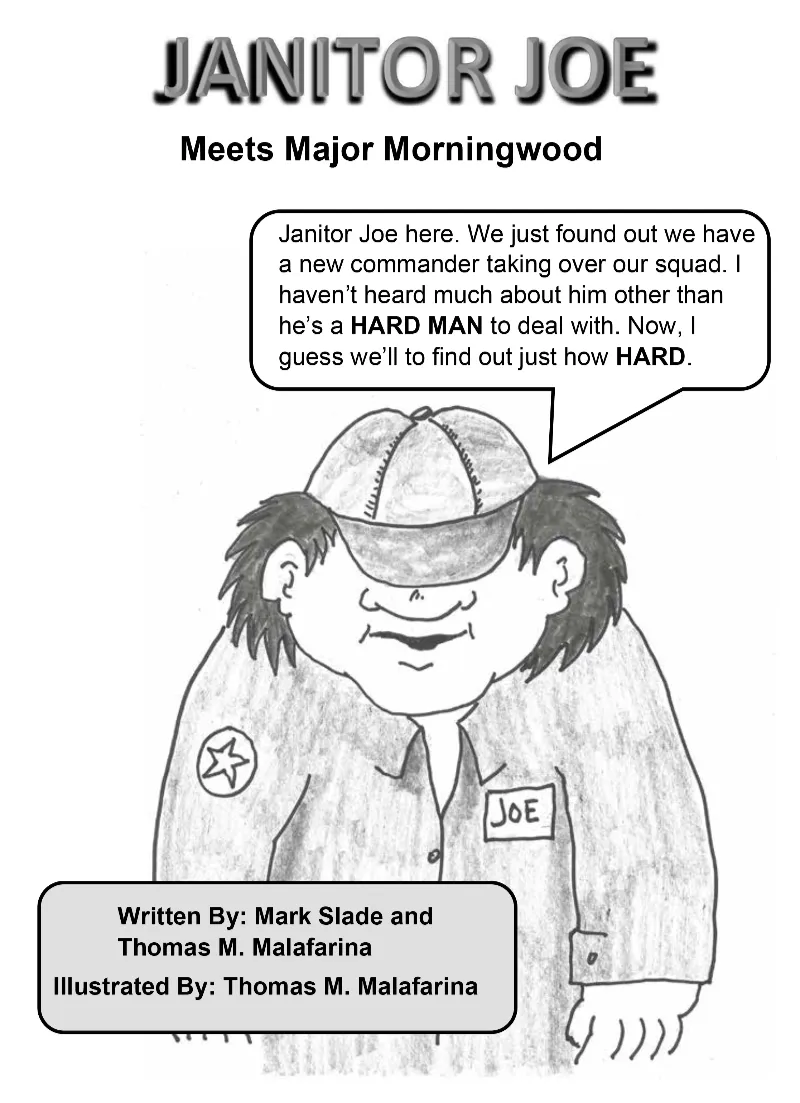
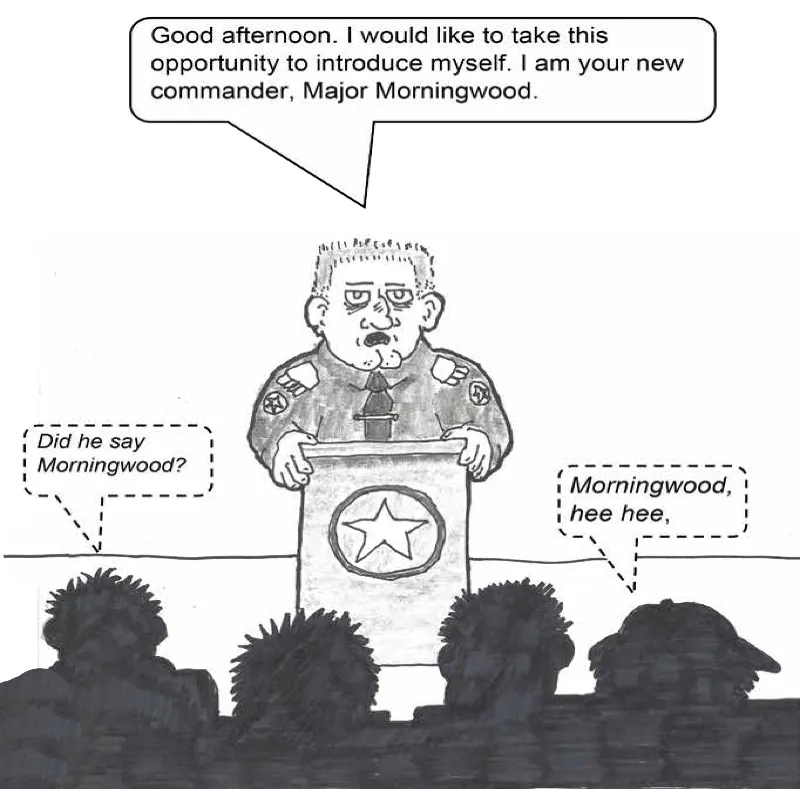
- Janitor Joe Meets Major Morningwood
Contents

The Art of Storytelling: J.M. DeMatteis on Comics, Animation, and Beyond
Explore the journey of a writer who has shaped the Marvel and DC universes with unforgettable tales.
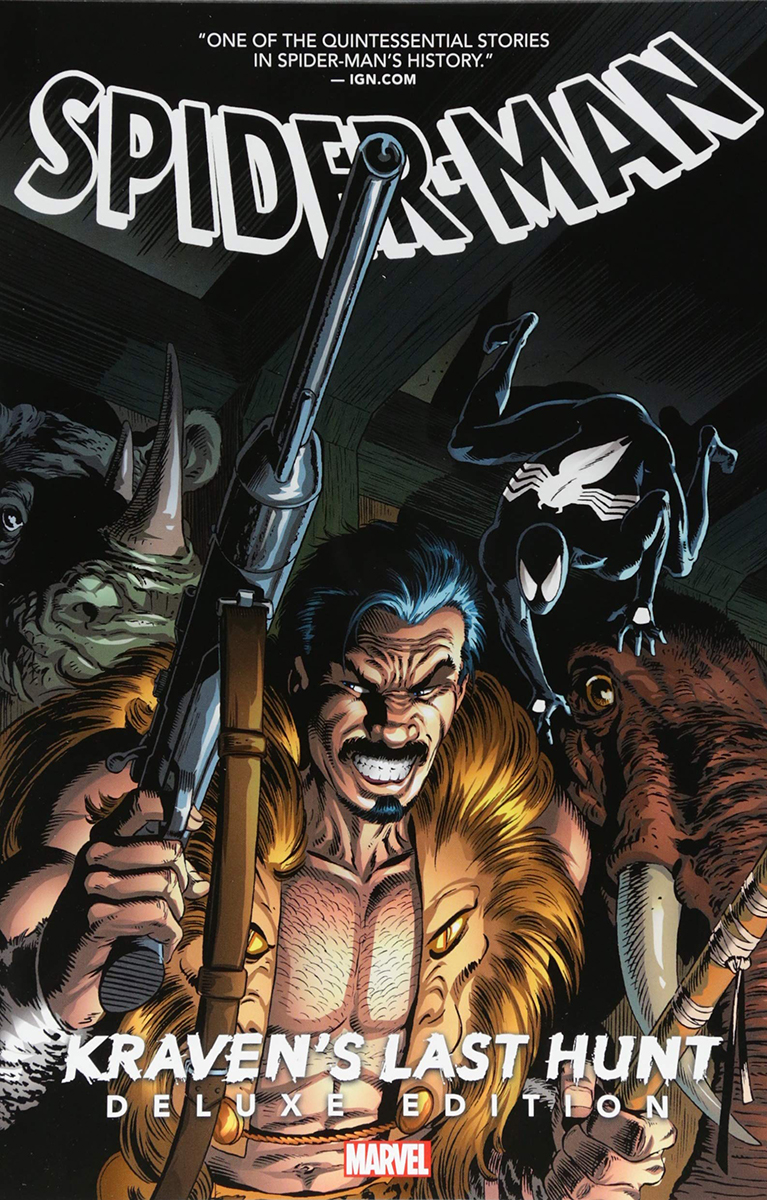
Born and raised in Brooklyn, New York, J. M. DeMatteis was a professional musician and rock music journalist before entering the comic book field. DeMatteis has written almost all of the major DC and Marvel icons—including memorable runs on Spider-Man (his classic “Kraven’s Last Hunt” was voted number one in a 2012 Comic Book Resources poll of Spider-Man stories and number twelve in a 2017 CBR poll of the greatest comic book stories of all time.
What was the first thing you remember reading?
I remember being around four years old, sitting in the children’s section of the local public library, looking at a Dr. Seuss book. Couldn’t say what it was…or if I was actually reading it or just enjoying the illustrations…but that’s the earliest, clear memory.
How did you get started in Comics?
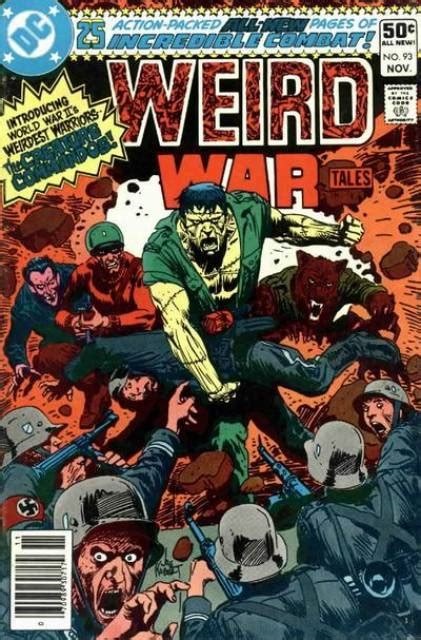
I started at DC Comic in the late 1970s, pitching ideas to their anthology titles—Weird War Tales, House of Mystery, etc. That’s where new writers broke in in those days, writing little five to eight-page, twist-ending stories of the supernatural. A great way to play with the form and learn the craft of writing comics. Didn’t hurt that my editors were brilliant guys like Paul Levitz and Len Wein, who were there to teach me what I needed to know.
You’ve worked both on such historical titles such as on Spiderman, Capt. America the Defenders, Justice League, and others. What was the biggest difference between Marvel DC?
For me? No difference. The story is the story, no matter what universe it’s set in. I know people want to create some huge wall between both companies—and there certainly is, from a business perspective—but for me as a writer, I work with great characters—and great collaborators—at Marvel and DC. From my perspective, it’s all one big Comic Book Multiverse and I’m delighted I get to play in it.
Who was your favorite artist to work with?
I’ve had so many incredible collaborators that I could never pick one. When I started in the business I was lucky enough to have stories illustrated by some of the giants I admired growing up, guys like Gene Colan, Gil Kane, John Buscema. And then, once I established my career, I worked—and continue to work—with some of the very best in the business, from Jon J Muth to Sal Buscema, Mike Zeck to Michael Zulli. And those are just four names out of dozens of truly gifted collaborators. (If I listed them all we’d have no room for anything else!) I count myself very fortunate.
Do you think your environment, where you live, has an effect on the type of art you create?
I think the place we grow up in certainly shapes us. I haven’t lived in Brooklyn in many years, but that’s where I came of age and it infused me with a certain sensibility that follows me to this day. But, really, the stories come from someplace much deeper than that: from our heart and soul, our unconscious mind and spiritual core. Where we live is only one small part of it.
Is it easier for you to create if given an assignment or does it get in the way of your creativity?
Doesn’t get in the way at all. In fact, it often stimulates it. A writer can spend weeks, months, sometimes years, chewing over a new idea, bringing it to life, nursing it along—but, given a paying assignment and a deadline, the creative juices instantly kick in and you’re off and writing.
You’ve also written novels, screenplays, not just comics. What medium do you think you’ve achieved the most in your writing?
I love them all. The story is story is the story. It may express itself differently in a screenplay than it does in a comic book, but the essence of what makes a story work remains the same. So my favorite medium is whichever one I’m working in at the moment.
What have you written that you are most proud of?
Hard to pore through forty years of work, but if I had to choose, I’d pick three things: Moonshadow, with Jon J Muth…my autobiographical graphic novel Brooklyn Dreams, with Glenn Barr…and a children’s series (part prose/part comics) I did for Disney’s Hyperion Books called Abadazad, illustrated by Mike Ploog. But there are many more projects that remain very close to my heart. Especially the ones I’m working on now!
What was the oddest thing you’ve ever been asked to do in your writing career? A specific assignment from a comic book company, a screenplay for a producer, books for a publisher?
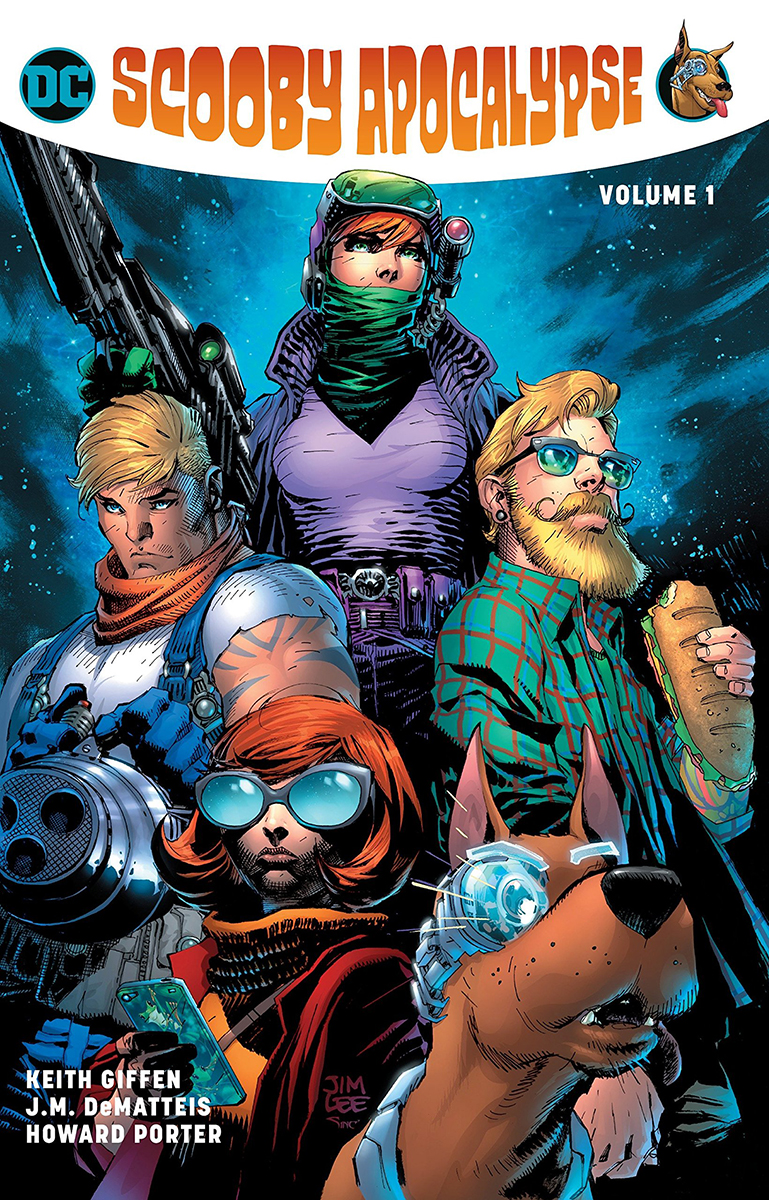
Maybe the Scooby Apocalypse series Keith Giffen and I did for DC a couple of years ago. I remember getting the call from Giffen, describing this strange updating of the Scooby-Doo universe and thinking, “Really? Scooby-Doo?” But I love working with Keith, so I said yes—and it turned out to be a fantastic gig. I fell in love with those characters and that world.
What projects are you working on now?
I’ve got comics projects in the works with some of my favorite mainstream characters—but they’re in the top-secret phase, so I can’t spill the beans yet. (And that’s why I’m being so vague about it.) Also developing a number of original comics series with some wonderful artists. Waiting on word about a new animation project. Teaching my online Imagination 101 workshop. And keeping very busy!

More about J. M. DeMatteis
Jamie Delano Talks Hellblazer, Writing, and Creative Freedom in Comics
From the Early Days of John Constantine to Novels and Creator-Owned Projects
Jaimie Delano is a British comics writer. He was part of the first post-Alan Moore “British Invasion” of writers which started to feature in American comics in the 1980s. Best known as the first writer of the comic book series Hellblazer, featuring John Constantine.
How did you get started in Comics?
Around 1980, I was looking for a way to stop being a taxi driver and realise my long-held ambition to earn a basic living through word-manipulation when a friend suggested comics might be a route to that objective and offered me some introductions to editors in the business.
When you started writing Hellblazer was it hard coming up with plots for a monthly horror series?
Writing – in any format on any title – is always hard, and anyone who says it isn’t is a liar. Blank-page terror, with deadlines looming, is a burdensome condition in which to place oneself. Writing is an awful chore… just one damn word after another until you reach The End. Which of course you never do. At least not while you’re still breathing.
What do you think of the adaptions of Hellblazer?
My old mum always said: If you can’t say anything, it’s better to say nothing at all. I watched the Keanu Reeves movie and didn’t like it; so I didn’t watch the TV stuff. People I respect have told me it was decent though.
You’ve created projects for DC and creator-owned publishers, which do you enjoy working for the most?
I always most enjoy working on scenarios and stories of my own devising. Although developing and adding dimensions to the creations of others can be fun in its own right.
Do you think your environment, where you live, has an effect on the type of art you create?
Our environments – culture, politics, landscape, relationships – are the influences that make us who we are. So yes, my background informs my perspective on the world and, consequently, how I observe it for the purposes of fiction.
Is it easier for you to create if given an assignment or does it get in the way of your creativity?
Sometimes it can feel as if some of the work has already been done when working on a company-owned property… but, unless you can bring something fresh and individual to the creaking table, you might as well be a script robot. I always treated those types of projects as a soapbox, a ready-made additional platform from which to address my preoccupations from an angle I may not have chosen on my own.
You’ve also written novels, screenplays, not just comics. What medium do you think you’ve achieved the most in your writing?
I love all my monstrous children equally. I’ve written more comics than novels certainly but, granted enough life, I’d like to redress that imbalance. My intention from the outset was to be a novelist… but comics was a full-time job, and I needed to earn a living. Through writing comics, I achieved new perspectives on the deployment of the word as a means of telling stories.

What have you written that you are most proud of?
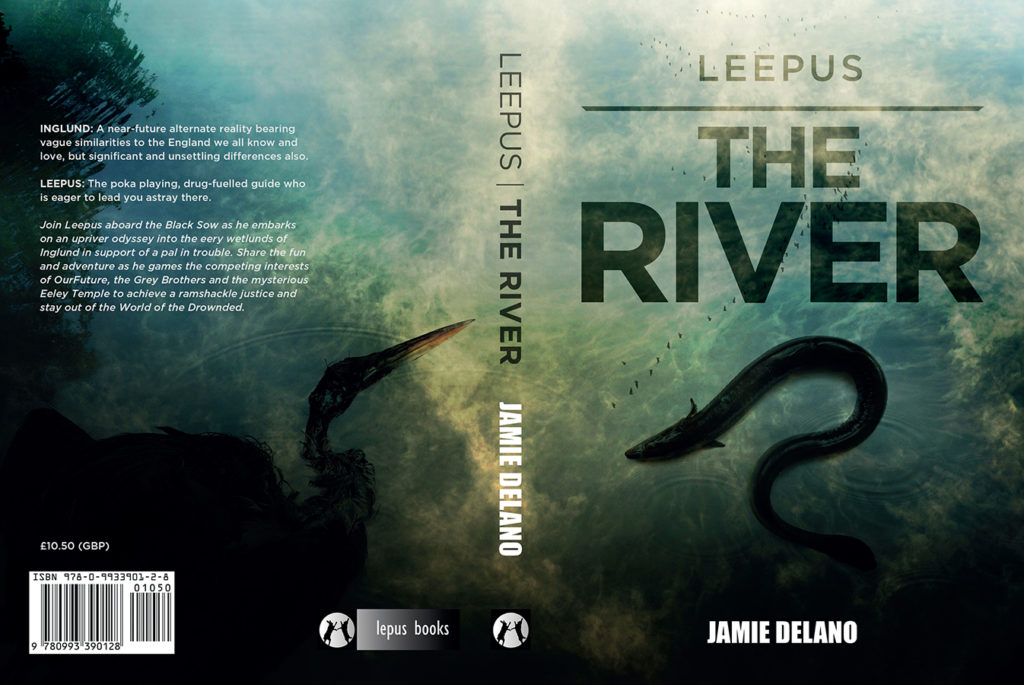
See above. You’re asking me to pick favourites… I’m very happy with my weird LEEPUS novels. As far as comics go, I’d pick 2020 VISIONS and OUTLAW NATION as personal standouts.
What was the oddest thing you’ve ever been asked to do in your writing career? A specific assignment from a comic book company, screenplay for a producer, books for a publisher?
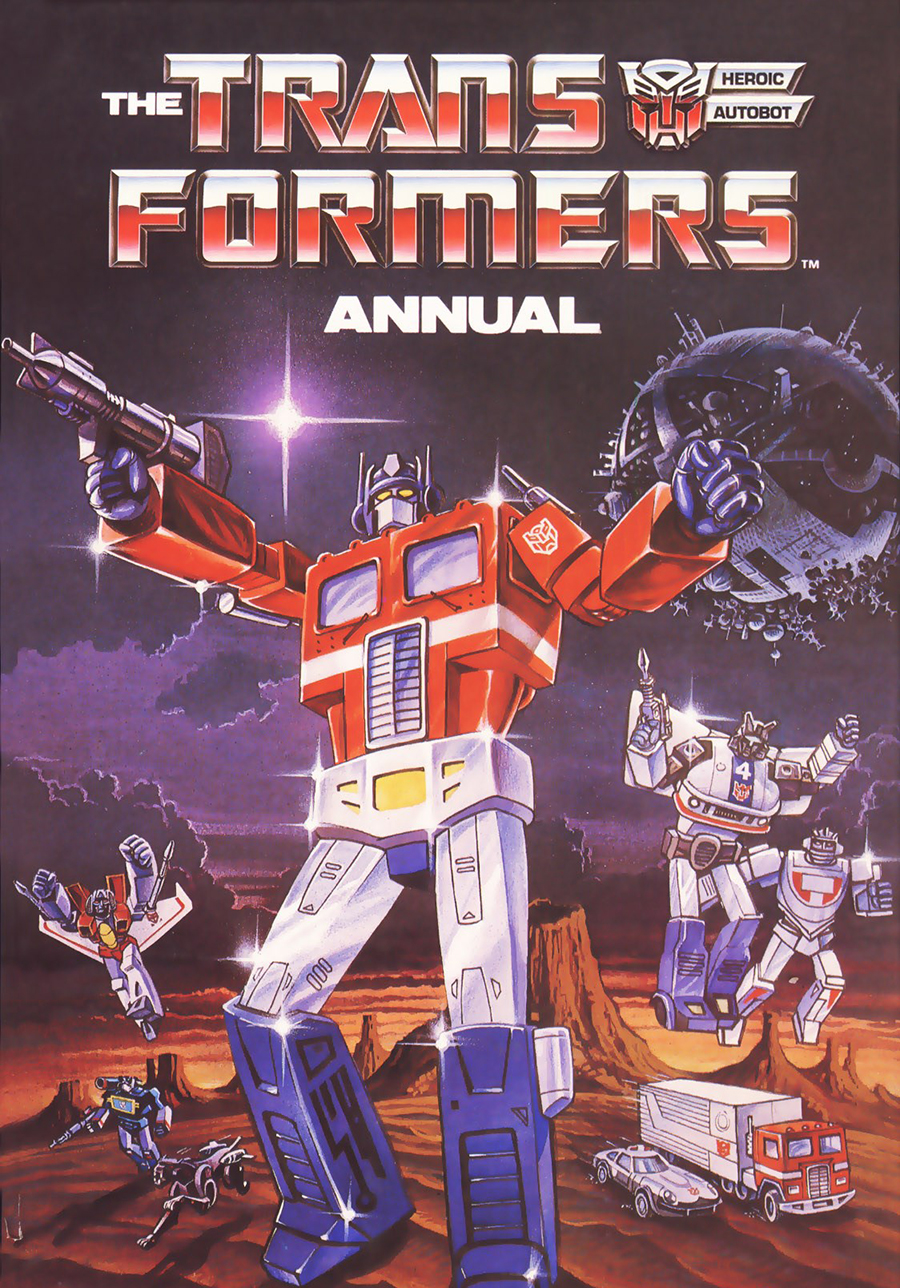
I still have a scruffy manilla envelope stuffed with background material and marked (sometime in the early eighties): TRANSFORMERS – OPEN ONLY IN CASE OF DIRE EMERGENCY
What projects are you working on now?
More novels, and publishing those of other people. www.lepusbooks.co.uk
More about Jamie Delano
Astride Twin Seas
A Short Story Written by E.S. WynnWhen we left the Alliance, we left together.
Just the two of us. We chased an echo of Earth through the sky, followed it to a warm, western coast rising from the waves like an archipelago with an ocean before it and an ocean behind. Aluminum, steel, the windows of sunken skyscrapers rising from that central valley sea, all those shining teeth of industry only reflecting the heat of endless solar thermonuclear ignition. No one on the world but us now. No one’s cruised either of these twin seas for a long time.
Second day on shore, we burned out our neural nodes together, fused the silicon connections that made flying the Isomere possible. It’s junk now, would rust if it weren’t made from sterner stuff than stainless. Astride the spine of the twin seas, it makes a good sun-shade, keeps the rain off us at night. The wings are frictionless and silver sails that glow to brassy gypsum in the dusky sunsets, stretch out to either side of us, fade into the waves of the seas. Smoke from campfire-cooked fish roils over the shining curves, doesn’t stick. The Isomere—she’ll outlast us, both of us. She’ll stay silver and gold for a thousand years, maybe more.
No one’s coming for us. No reason anyone would. The Isomere is one of a thousand throwaway masterpieces. Infinitely complex but easy to print, easily marked as lost when one goes missing. Room for two, some bags, just enough punch in the drive to carry us to our Earth-echo. What happens after is up to us. Nothing but the seas and sky remain to move us in the days that follow.
One week of rains, of sunshine and the fire of dawn on twin seas is enough to sterilize our minds of partisan arguments, of points of political ire and failure. We’re close, of the same mind so often that all the bile burning in our guts is expelled in a sudden storm, thrown up on the shore until there is no more, until the mind is left empty, heaving dry. Gone then are the points and pressures, the selective rhetoric of those who spit regurgitated words from lying ministers, wait for the bomb big enough to heal the whole world, the starry sky, the galaxies suspended in endless black. Other subjects rise to spend themselves in the vacuum, last longer, never linger long enough to ruin the mood set by the seas and sun. In a month, all we talk about is the weather, the rhythm of the moon and tide, the skyscrapers that scrape sandy seafloor now instead of clouds.
Sand on chafing skin. Cool water lifting lake-like to lap at toes. The rattle of rain on outstretched wings. No news more insistent then the hour, and even that is something we track only distantly. When we’re hungry, we eat. When we’re tired, we nap. Winter comes, winter goes. We watch the brown rise green, turn gold, then lay down again, become sod for the flowering spring. Rosemary, ground cherries and fish pulled from the sea. Cool water from the night before splashing across lips and hands. Once, I make a comment that comes on a memory of the taste of cold beer, lick my lips and wish. Nothing. It’s the only time I feel trapped here. That and when I miss music, but that passes when we start to make our own, because to us, to me, it sounds better.
At some point, I notice the lines in the water. Not waves or wriggles in the sand, but lines, creases where smooth skin once shined. We both have them, the marks that come with age. We both wear them openly, notice them only in freeze-frame moments that seem to come with years between them. Silent, empty, serene, we sleep and smile, track the stars through the decades, hold each other on the shore, hands tucked in arms, eyes full of salty hair, heels dug in against age.
And then comes the day when it ends, when one of us is simply gone. A single stone is set in the sand, chosen for its weight in the hand, the striations of mica vining through white and slate blue. The hole left in the heart and mind is larger than the vacuum six feet beneath the sand, but the stone helps hold the wound against the weeping that comes inevitably amidst the darkness of the lengthening nights, the days that pass slower and slower, as if time itself were mourning. No one will bury the one who remains. No one will bury the Isomere. In a thousand years, our tent will be as weathered and wrinkled as the faces that once passed nights beneath its canvas. The Earth-echo will spin on through the stars, through the light and day, through the dark and the cold and the winters and the rise and fall of the tides that weather away at the sunken skyscrapers of the inland sea. In the end, nothing will remain. Not even the Earth-echo. Not even the Isomere.
But for one priceless moment in the whole history of man, I can say that we lived. I can say honestly that we were safe, serene. I can say that we were whole, that we were, both of us, truly one. We scoured our bodies, our brains of the impurities of the swarm, of the mesh-mind spread wide through the heavens beyond the sky. We lived as we wished to live, didn’t let the wills of others push us or color our perceptions to shades divisive or untrue to who were are, who we were. We lived free, simply were, and nothing, not the slow-grinding teeth of time, not the tides of the seas above or the tides of the seas below, can take that moment away from us. Suspended in time, in mind, it is eternal.
Erased, forgotten, but never truly gone.
Date Modified: 11-18-2025
This story is featured in...
Jessica’s Eccentric Art
Get inspired by a cult classic and learn to craft your own gravestone art
By: Lucy Hall
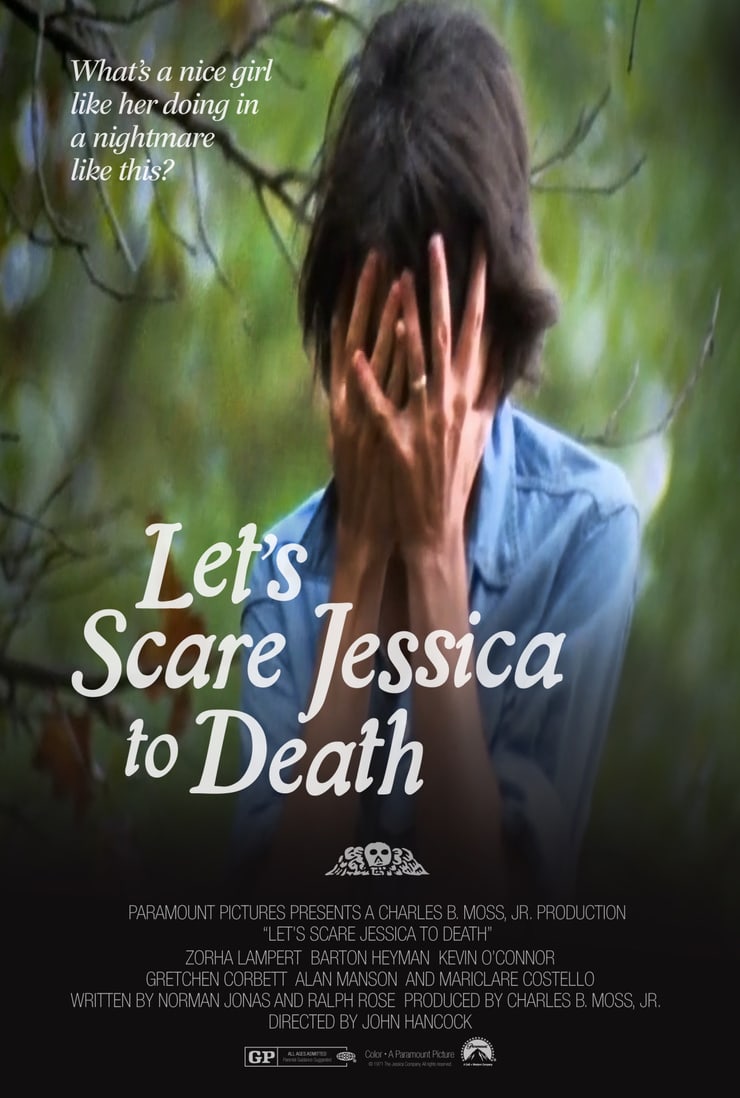
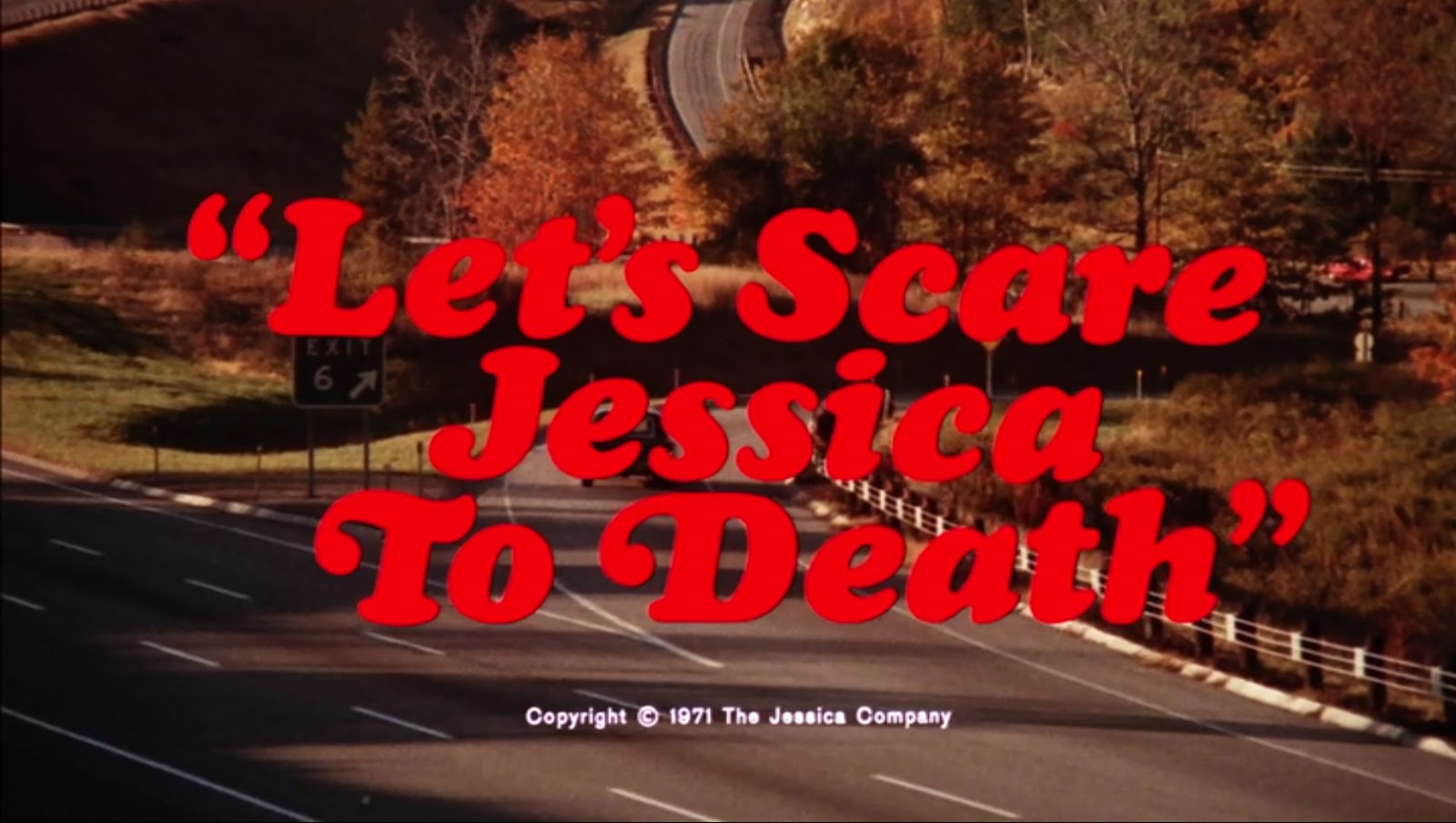
Jessica: “I sit here and I can’t believe that it happened. And yet I have to believe it. Dreams or Nightmares? Madness or sanity? I don’t know which is which.” —Let’s Scare Jessica to Death
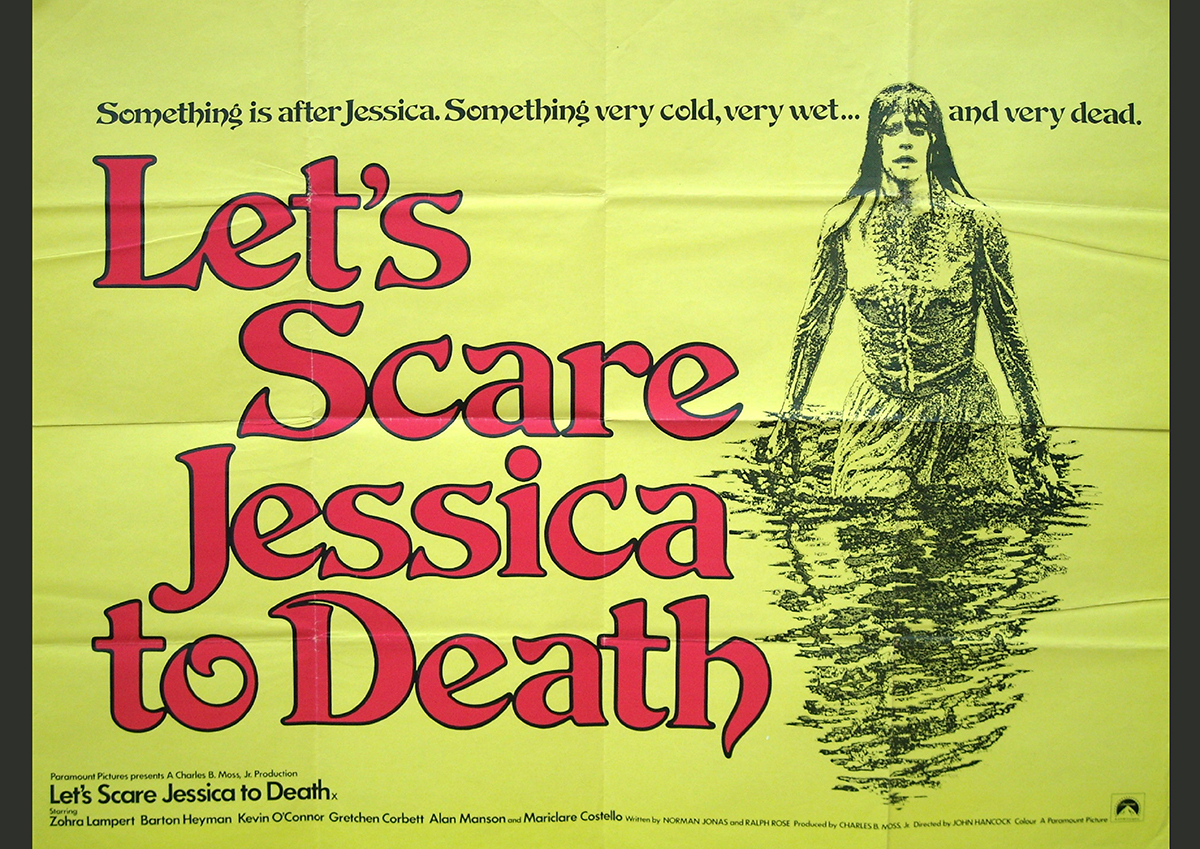
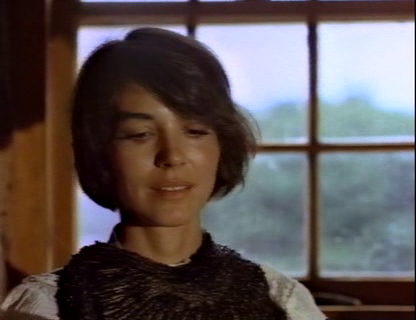
Check your sanity at the door, and, prepare for a paranoid, psychodrama trip in terror with the fragile Jessica of the 1971 horror film, Let’s Scare Jessica to Death.
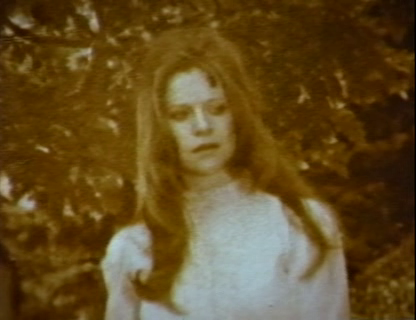
The cult film’s plot revolves around the unstable, mentally disturbed Jessica. After being released from a mental institution, Jessica along with her husband, Duncan, and friend, Woody, move to the countryside hoping Jessica will relax and have a new start in life. They move into the “old Bishop place,” which happens to be a creepy Victorian farmhouse. While settling into the new residence they are startled by the discovery of drifter, Emily, who has taken up residency in the abandoned house. Instead of freaking out at the presence of a stranger in the house, they decide to greet, and, keep her as a guest. However, Emily’s presence is soon alleged as malicious by Jessica. Jessica conducts her own investigation and discovers an old framed photograph in the attic. She later gathers information from an antique dealer and learns of a tragedy that occurred at the farmhouse long ago. A young bride by the name of Abigail Bishop drowned subsequent to her wedding. The body was never found, which, gave birth to the legend that she continues to roam the countryside. Jessica notices her guest Emily resembles the bride in the attic photo. However, Emily could not possibly be the bride due to the fact that the photograph was taken in 1880.
Is Emily a ghost or vampire? Is something supernatural taking place, or, is Jessica losing her mind? Is there a conspiracy to scare Jessica to death? Take into account Jessica’s mental history and struggles with her own instability, and alleged “hallucinations,” in which she initially keeps secret.
The intense uncertainty, surreal atmosphere, and gothic plot earned Let’s Scare Jessica to Death, cult status in the horror genre. The film relies not on gore and shock to hold audience attention, but, relies on whispering voices, genuine disturbing moments, creepy imagery with camera angles, an eerie musical score, and, the title character’s haunting narration. For genre fans, the film is a supernatural cornucopia. It has ghosts, vampires, a séance, a pet mutilation, a cemetery, a hearse, and hostile locals.
Watch the Movie
The film’s most memorable metaphoric element concerns Jessica’s therapeutic artwork. During their country road commute, Jessica and the guys take a driving break by the local cemetery.
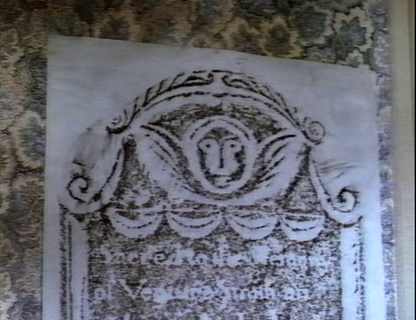
Intrigued by the engraved images and poetry of the stones, Jessica kneels to read a compelling inscription scribed upon one.
“Frail as the leaves that shiver on a spray/Like them, we flourish/Like them, decay.”
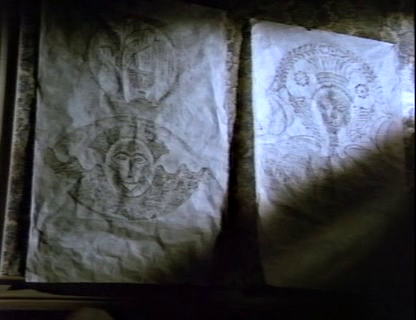
The nature of decomposing autumn flora in the setting appears to be an allegory for Jessica’s hope and sanity slowly deteriorating. In addition, Jessica is surrounded by the deceased residents of the cemetery whose nature is also to decay. All apparent elements appear to be fitting allegories for the stone’s poetic verse. While visiting the somber environment Jessica indulges in her craft, the art of gravestone rubbing.
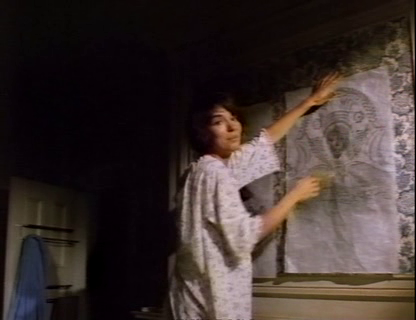
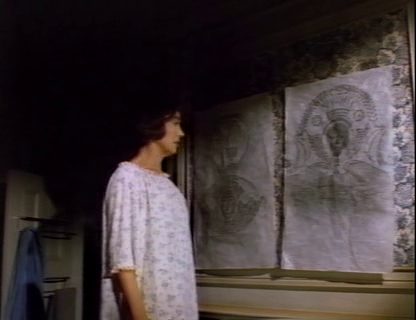
Later in the film, Jessica creeps out her husband by choosing to decorate the walls of the new home with her morbid wall art, which, appears to be an unsettling reminder of life’s tribulations and Jessica’s struggle to grasp reality.
At your next sinister social gathering, you can engage your dark associates and friends by incorporating a gothic-themed DIY project in conjunction with a viewing of Let’s Scare Jessica to Death.
Arrange for a cemetery field trip to be taken either before or after a screening of the film, so that guests can produce their own grave rubbing art. If you prefer to conduct your field trip prior to the film viewing then your guests could use their art as decoration for your party. However, if you prefer it to take place after, then your guests will not only depart your gathering with a possible hangover but, in addition, they will have gravestone art as a keepsake to remember the occasion.
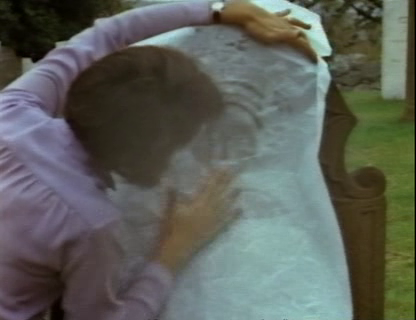
Grave rubbing is a fun activity that can also be added to your All Hallows Eve traditions this Halloween; the season conveys an interest in graveyards, ghouls, and the supernatural. Tombstone, or, gravestone rubbing is a craft dating back to hundreds of years ago which is still practiced today. It is basically the process of transferring imagery of headstone surfaces by tracing the engraving onto paper. Once transferred, the paper captures both the epitaph and motif outline of the particular stone being used by rubbing firmly against the paper covering stone with the appropriate rubbing utensil. Once the paper is moved, the stone is unharmed and the image is converted to paper.
The craft may be viewed as an unusual hobby to adopt; however, it is considered an ancient art form. Historians, artists, genealogists, and those who prefer dark crafts are usually enthusiasts of this historical art. For serious historians, this activity enhances individual or group studies into local or family heritage. There are various incentives to use this art form as a pastime. The custom has drawn interest for genealogists clubs as a way to capture history. It is a means to acquire a match for a family or individual headstone. It is also a method of preserving a deteriorating headstone that may eventually lose its inscription. The hobby can be a shared family affair for bonding while learning about the family tree, and possibly locating unknown ancestors. Families can preserve their own history which will not be forgotten for generations to come. There are also collectors who use grave rubbing to collect celebrity grave epitaphs.
Before getting started on your own grave rubbing, here are some tips to remember:
- Always be respectful of the dead and the site in which you plan to use because some stones are so old they are to the point of harsh damage. Prolonged stone rubbing can cause permanent damage to these monuments because of abrasion, so proceed with care and help preserve the site and the stones.
- Do not use any tools that could damage the headstone. These include any waxy writing tools such as crayons.
- Some cemeteries are privately owned, while others are public but you may still need to seek permission for use by consulting a cemetery office manager, owner of the land, or, the local historical society. You can get started by acquiring the appropriate gear. Kits with all you should need to begin your hobby and books on the subject may be purchased online. An alternative is to compile your own rubbing kit by gathering the following needed materials.
Supplies Needed to Create a Grave Rubbing Kit:
The items listed can be purchased at craft supply or general stores. Using these supplies should not harm the stones and in turn create clear images.
- Tracing Paper (purple on one side and white on the other.) You may also choose rice or butcher paper.
- Artist Charcoal
- A Soft Brush
- Scissors
- Water
- Durable Tape such as Masking or Paint
Steps:
- To guarantee clearer results you may wish to clean the headstone prior to rubbing. A soft brush and simple water should work fine.
- Be careful not to get hurt or damage the stone if it is unstable and ready to fall.
- Cut a piece of paper the size you wish, tape it to the tombstone using tape, it should be secure enough not to move while you are rubbing.
- Use the charcoal to gently and firmly rub along the stone. Carefully work your way over the entire surface and outer edges. You may want to start at the top and work your way down the stone. The more pressure you apply the darker your print will become.
- When rubbing is done carefully remove your print.
- You may trim and alter the paper to best suit your artistic needs.
Additional Tips:
These are additional suggestions for using your finished project.
- Goth or Halloween framed art or cards.
- Notepaper or scrapbooks. Scan into your computer and print t-shirt transfers.
- While on vacation these prints make wonderful souvenirs to bring home. In addition, while visiting historical cemeteries there are usually gothic sculptures of angels, crosses, and, other archetype grave guardians to photograph. Historical stones can reveal what was occurring at that particular era in time which can be determined by its images, inscription, and date.
Image Gallery of Let’s Scare Jessica to Death


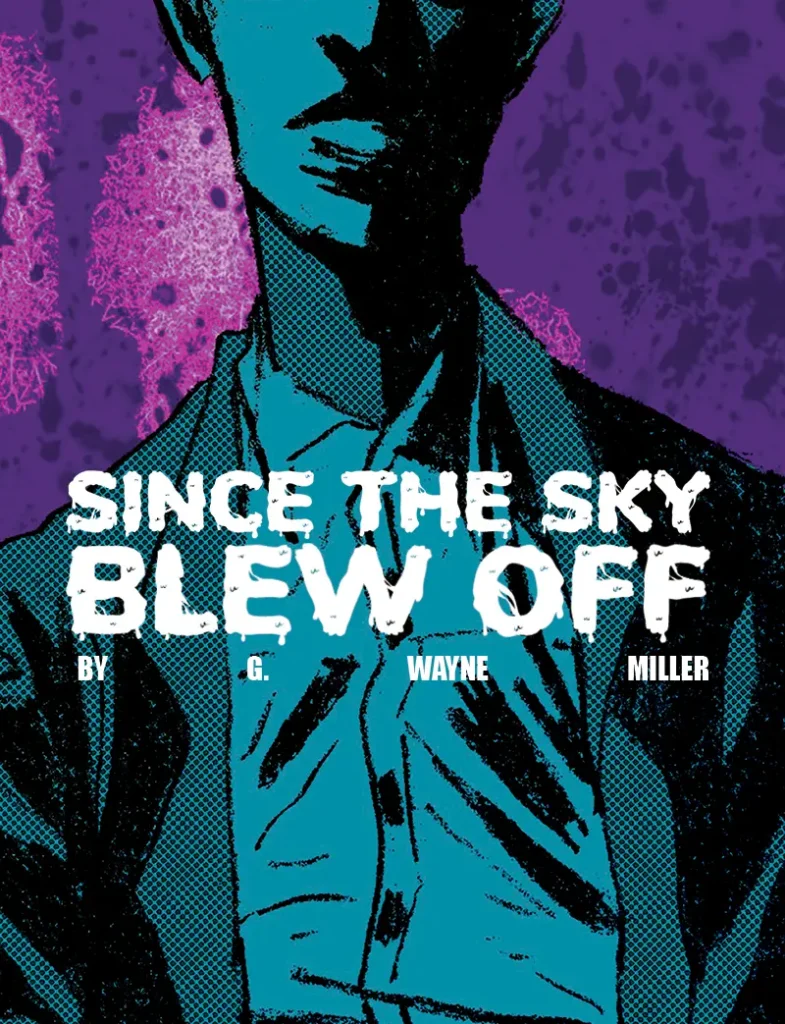
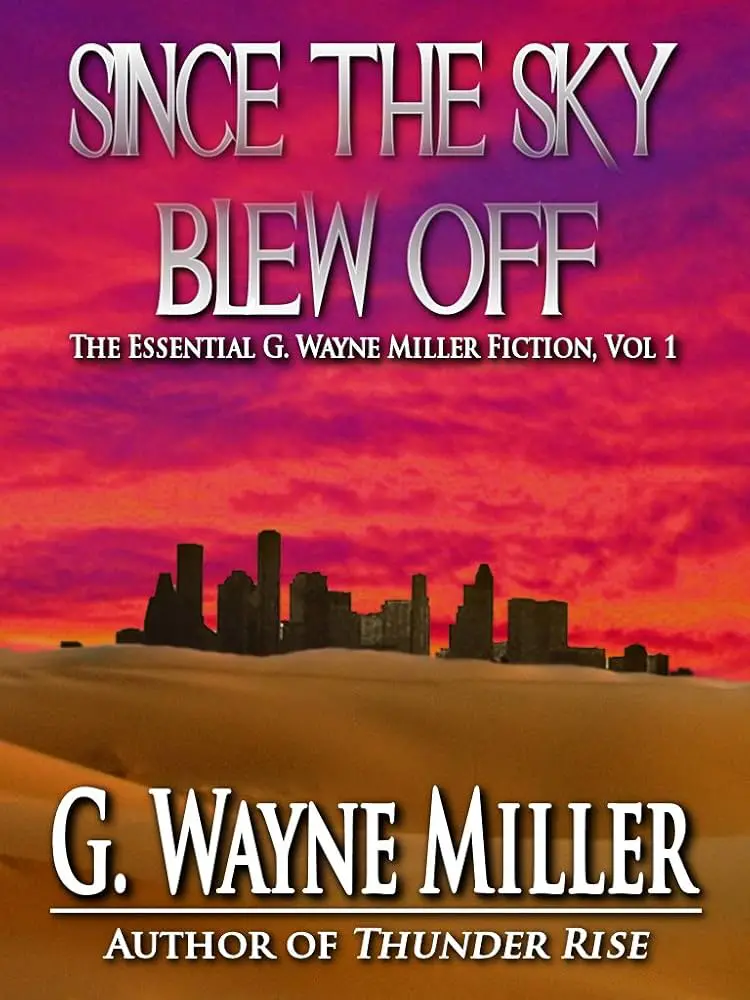
Since the Sky Blew Off
A Short Story Written by G. Wayne MillerBy G. Wayne Miller
He was only a kid, seven, maybe eight years old. We never did get his name. He arrived at dusk, and when no one answered his cries, he finally fell into a restless sleep in the dust and half–dead weeds along the front perimeter. Well before the sun was up, I shot him through the head. His body quivered a bit and then his mouth became a fountain of blood, but it didn’t last long. In less than three minutes, long enough for a smoke, his nerves stopped firing and he was still.
Under brilliant starlight, Tony and I buried his body. You might wonder why we bothered, but those were Mather’s orders. Mather was obsessed with germs, and he had every reason to be. We knew about other parts of the country, where whole camps had been wiped out by typhus, diphtheria, all the diseases that had gone completely out of control since the sky blew off. To be honest, we were scared shitless about germs, and we had every reason to be. The kid was light and bony, more skeleton than meat. Underfed, I guess, like most roamers. Wearing gloves and masks, we carried him downhill, away from the hatchery, and put him ten feet under, as deep as we could dig in the two hours we had before the sun came up. Then we burned our clothes and bathed in rubbing alcohol and Lysol we’d come across on our last trip to the A&P warehouse. When we were done, we walked naked back inside the compound, pulling the razor wire tight behind us.
Right off, Mather had been uneasy about the kid. Not that we hadn’t seen our share of roamers since coming north to Vermont a year ago, after the Great Fire leveled Boston and half of eastern Massachusetts. We’d seen them, all right, and mostly we’d let them pass on by. The only ones we’d disposed of were the ones that got too close or started acting too weird or hung around too long, like stray dogs begging for handouts. Creepy behavior like that set off alarm bells inside Mather’s head.
I especially remember one old guy, batty as hell, his face covered with pus, his bald scalp peeling, his tongue swollen and hanging out of his mouth like a steer at an old–time Kansas City slaughterhouse. Howled at the gate like something out of a nightmare until we took care of him. I remember a teenage girl, too. She’d probably been pretty once, but the sun had left her skin runny and raw and made her hair fall out. She was delirious, talking nonsense about salvation, redemption, apocalypse, all that other Bible crap, like so many of the roamers we’d seen since New York.
The kid was different. I didn’t see it right away, but Mather did, thank heavens. That sixth sense of his is what’s kept us alive so long.
The kid arrived as the sun was going down. Since the sky blew off, every sunset has been spectacular, nothing any artist or photographer could ever hope to capture. This one was no exception. Pinks layered over blues and oranges and yellows, some soft strokes, some bold ones splashed up there with a powerful hand. Back when I was in parochial school, I remember thinking the walls of heaven must look that beautiful.
I was pulling guard duty and I spotted him when he was a half mile down the hill that leads up to the compound. He was all bundled up in canvas, canvas that was ripped and tattered like a sail that’d spent a week in a hurricane. It didn’t occur to me then, but somebody must have told him that canvas was about the best protection you could have when you were outside. Somebody older, wiser.
“He’s reason to be alarmed,” Mather announced after watching him through binoculars he’d customized with a pair of Polaroid sunglasses we’d looted from a Manhattan drugstore back in the beginning.
“We’ll dispose of him,” I answered. It was an automatic response by then, as natural and routine as guard duty or sleeping during the day.
“Naturally. But I’m not confident that will be the end of it.”
“I don’t get it.”
Mather’s face tightened, the way it always does when one of us is acting thick. “Look at him,” he ordered.
I took his binoculars and got a good fix on the kid. He was on his ass, resting, looking our way and trying to figure if it was worth the effort to make the climb. Maybe trying to decide if he was going to get shot at.
“I’m looking.”
“Zero in on his face.”
“Okay.”
“Tell me how old he is.”
“Seven, eight,” I said. “Somewhere in there. You never know with roamers.”
“No, but one can determine outside limits. Will you accept twelve as his?”
“Certainly.”
“Very good. Now when was the last time we saw a twelve–year–old kid? A twelve–year–old kid alone, to be precise.”
I thought for a moment. I honestly couldn’t remember.
“You can’t remember, can you?”
“No, can’t say as I do.”
“Of course not. To my recollection, there never has been a twelve–year–old kid scouting our camp. Not alone. There have been twelve–year–old kids. Always in the company of grownups. And grownups–”
“–are something we can’t take chances on.”
“Precisely. Whoever he’s with, they can’t be far away.”
“You want a disposal operation.”
“I don’t think we have a choice.”
“You don’t think they’ll come looking for him?”
“Precisely what I’d like to prevent. We don’t need another typhus scare.”
“Or the rot.”
“Or the rot.”
“Or anything that’s going to jeopardize these pregnancies.”
“Jesus, no.”
My eyes were still trained on the kid. He was on his feet again, stumbling our way. Apparently, he’d decided to take the risk coming up the hill. Maybe he was hungry. Or sick. Or sent to spy. With roamers, you never knew.
“He’s in pretty tough shape,” I said as I watched him stumble, fall, and get on his feet again, like a drunk at closing hour at one of those midtown Manhattan bars we used to frequent in the old days. Except booze wasn’t this kid’s problem. It was the sun – one–hundred–and–thirty scorching, cloudless, breezeless degrees of it.
“I suggest,” Mather said, “that we dispose of him tonight. Tomorrow night, you and Pete will take care of his family.”
“Precisely,” I said. Mather grinned. He always got a big kick out of it, any time one of us used one of his words like that.
At noon the day we buried the kid, we saw smoke, a single pencil–thin curl that rose into the sky like jet exhaust, except there weren’t any jets any more. It was coming from the rubble that used to be Bradford Village, one of the suburbs of Burlington. Mather called a huddle.
“They’re cooking,” he said. “Lord knows what.”
“Maybe they caught some fish,” said Tony. Since Robbie and Sloane got ambushed – it happened when we were escaping the Great Fire – Tony, Pete, Charles, Mather, and I were the only males in our camp.
“Assuming there are any left,” Mather said. “And except for our hatchery, I doubt there are.”
“How big do you figure their camp is?” Pete asked.
“Could be three or three hundred,” Mather said. “Smoke’s no clue.”
“Better be closer to three,” I said, and I meant it.
“I have every confidence in you,” Mather replied, “whatever it is.”
“We’ll go well armed,” I said.
Pete suddenly had that mongrel look on his face, a strange cross between outrage and guilt, but he didn’t say anything. Pete was our resident tech whiz – he’d designed the hatchery, come up with the ventilation scheme that kept the temps down inside, even managed to hook up running water and plumbing. A smart guy, but soft around the edges. He’d told me more than once that killing still turned his stomach, no matter how many times he saw it or did it. It was a peculiar attitude to have after all the crap we’d been through.
“Remember, we can’t afford any unnecessary expenditure of ammunition,” Mather reminded us.
“We’ll be careful,” I said.
“Single shots if we can.”
“We can.”
“Now I think you boys ought to get some sleep,” Mather said. “You’ve got a busy night ahead of you.”
We left at dusk, Pete and I. Those gorgeous pinks and yellows were draining from the sky, leaving behind a cold, inky night loaded with stars. Night was always the best time to be on the move, whether it was a disposal operation or a raid on one of the few warehouses or stores that had anything left worth raiding. At night, you didn’t have to worry about whether the ultraviolet was going to burn the skin off your back or make you go blind or cook your brains or fry your sperm. Didn’t have to take your chances bundled in a hundred layers of clothes and sunscreen coating your body like axle grease.
I was packing a .357 Magnum and a pocket full of hollow–nosed bullets. There was a funny story behind that gun. Found it beneath a crucifix on the altar of a burned–out Catholic church in Manchester, New Hampshire, when we were making our way north from Boston. What it was doing there, who had left it, we never did figure out. Perhaps the good father gave his final sermon, then put it to his head and squeezed off a round. We didn’t find a body, but maybe one of his parishioners had dragged it away for burial when that Mass was over.
Pete was carrying a shotgun, one of the pumper–action Ted Williams models we’d scavenged out of a Sears Roebuck store somewhere along the line.
We had only about a hundred shells of buckshot left, but Mather had insisted we take every last one of them. He’d been trying to soft–pedal his gut feelings, but you could see he was deeply concerned. The fact that he ordered us to take those shells was proof enough of that. Truth was, his feelings were telling him that these roamers were going to be unusual. That disposing of them might be a greater logistical problem than we’d had to deal with in a long, long time, maybe ever.
That night, Tony and Mather stayed behind with the women and Eric, eleven months old, our only offspring. We had five women at the time, and three of them were with child. Mather was very stubborn when it came to the women, what they could do and not do. We’d had half a dozen pregnancies already, and all but one had ended in miscarriage. Mather said we couldn’t afford to take any more chances. We had to have more children if his grand scheme was ever to be realized. That was this year’s motto: More Children. He was ready to do anything it took to make sure he got them.
Mather was correct on the offspring issue, of course. He’d been correct on every issue since he took charge two years ago when the sky blew off, the crops started wilting, and the world’s population started dying by the hundreds of millions.
It was summer, the summer of my twenty–seventh year, and it had been the most glorious summer of my life. We were living in New York, then, all of us, living in style and with more than our fair share of creature comforts in an upper West Side neighborhood that only recently had been gentrified. We were the brie–chablis crowd, the folks with the MBA’s and the designer bathrooms who spent weekends on Cape Cod and February vacations in Aspen. There wasn’t a one of us who wasn’t making fifty grand then, minimum, not a one of us who wasn’t employed with one of Wall Street’s or Madison Avenue’s most reputable firms.
Was it the Soviets, us, or some third party? I don’t know if anyone anywhere ever really learned the answer to that question, not at the beginning, when the only effects were those amazing Technicolor sunsets and that crazy shift in the jet–stream, or, later on, when political institutions and economies were disintegrating faster than global temperatures and the seas were rising. In the early days, when the presses still ran and the six o’clock news was still being broadcast, there was all sorts of talk that it had been the test of some new thermonuclear weapon – more frightening and more secret than the Bomb, which had every true–blooded Yuppie doing flips back then.
I have to believe the guy upstairs has a pretty mean streak of irony because that wasn’t it by a long shot. There was no big bang, no escalation of crisis, no state of alert, no Warsaw Pact troops marching across Germany, no Colonel Khadafy dropping a surprise on Israel – just a sky the color of fresh blood the evening of July twenty–sixth.
Maybe it was the test of a new killer technology related to the so–called Star Wars program that the late President Reagan had announced a decade before. Maybe it was the test of something the Soviets had up their sleeves that our intelligence never picked up.
Maybe the Martians landed in a Kansas cornfield and decided to zap ninety–five percent of the human race, just for kicks.
Whatever it was, it silently and quickly burned off half the upper atmosphere, leaving plants to die, food chains to be disrupted and destroyed.
We didn’t know how bad it had really been until it turned winter, and winter brought no dirty snow on Fifth Avenue, no frost on Macy’s windows, no skating in Central Park, no temperatures lower than the sixties, not even in January or February.
By spring, the hospitals and doctors were overloaded with skin–cancer cases and people whose vision was fading away to darkness.
By summer, the effects of the failed wheat and corn crops were filtering down, and grocery stores experienced their first shortages.
By fall, there was rioting and looting, and the cities began to burn. Police and the National Guard controlled some of it, at first, but then the panic set in. When it did, the authorities put down their weapons and ran.
By the next winter, starvation was coast–to–coast and the typhus had gone wild.
It was, of course, Mather’s idea to leave New York. Right from the start, everything had been Mather’s idea. We got out of the city in June, before the real panic hit, and we headed up the Connecticut coast. There was still gas left, although there were shortages and growing lines at the stations, so we drove, charging up a storm on our American Express and Visa cards as we went.
Mostly, we traveled by night, holing up during the daylight hours in cheap motels. When we did have to go outside, no matter how briefly, Mather made sure we wore sunglasses and painted ourselves with sunscreen, protection factor fifteen. Eventually there was a run on sunscreen and finally supplies dried up, but Mather had been smart enough to buy cases of it before John Q. Public fully realized what was going on. He’d done the same thing with penicillin and guns, so we were okay on those fronts, too.
We were in Boston when the fabric of American society began to dissolve, slowly but completely, like a cube of sugar in water. It was September, the hottest September ever recorded by the National Weather Service, and no one any longer had any doubt what was happening.
Mather had decided to put down roots, at least until we could figure out what the long–term plan would be. After disposing of a gang of winos, we’d made our home in an abandoned subway tunnel near Park Street Station, which is almost directly under City Hall. From a defensive perspective, the tunnel was a dream – only one entrance, which we kept clear with occasional firefights. From the survival point of view, it gave us decent access to stores and warehouses, particularly those mammoth ones along the waterfront, which were still stocked weeks after everything else ran out. The day the looting began in earnest, we grabbed enough canned juices and beef stew and hams for at least a year, according to Mather’s calculations.
It was a sickening scene we found when the Great Fire finally forced us to the surface. Bodies strewn everywhere, smoldering or just plain rotting, every one of them guaranteed to be harboring enough disease to wipe us out a thousand times over. Immediately Mather decided to head north, where, he said, we would have the best chance of establishing a camp. We passed other bands as we walked, and we had some skirmishes, losing two of our original group in the process.
Now the big threat was roamers.
Why they didn’t establish camps like the rest of us was a mystery not even Mather pretended to be able to solve. His best guess was that it had something to do with intelligence, or lack thereof, and I imagine he was right. You needed brains to build a camp, defend it, find a way to eat – in our case, a small but successful fish hatchery, supplemented by freeze–dried and canned stuff we’d managed to hoard. It took brains to beat the sun, escape the heat, and it took brains to keep the germs at bay.
From where roamers stood, it was plain easier to loot, pillage, whatever it took. Which made every camp a target.
Pete followed me down the hill. Neither of us spoke – I guess there wasn’t much of anything to say. The moon was three–quarters full and between that and the usual stunning array of stars we had no trouble keeping up a good clip. I wanted to get in and out quickly; I had some business back with Lisa, who’d been my girlfriend in the West Side days, and who Mather had decided was still an acceptable mate for me. He hadn’t assigned Pete a woman, but he had occasional privileges, which he was always pleased to exercise. They were eerie, the nights since the sky blew off. Sound seemed to carry twenty times farther than it had before. Noises were louder, exaggerated. A few nocturnal animals still survived, owls and raccoons among them, and their voices seemed to come from a hundred directions at once, or no direction at all. It was like Mother Nature had gone ventriloquist. Crickets, which had done quite well, put out sound like steady radio static.
But it wasn’t only noise that made the nights strange – temperatures had been thrown all out of whack, too. Most nights, like tonight, you were lucky if the mercury dipped into the nineties. The only relief was an occasional evening breeze.
A mile from our camp, we entered the outskirts of Bradford Village. If you closed your eyes, you could picture it as it might have been before the sky blew off: a charming little blue–collar village, where neighbor knew neighbor and treated him with proper Yankee respect, a place where the machinery of life hummed quietly along in a more–or–less well–greased fashion. You could imagine being born in that village, growing up there, raising a family, walking your children down the aisle, bouncing your grandchildren on your knee, going to your grave a reasonably satisfied man.
Some had been torched and some had self–combusted, but most of the houses still stood – a curious mixture of white Colonials and shingled Capes and ticko–tacko pre–fab ranches that had been all the rage during the prosperous, inflationless fifties. There was no glass in any of the windows now. The paint was peeling, the front walks and sidewalks cracked and crumbling. And the cars that were parked in the driveways were beginning to rust; every tire was flat, and roamers had busted the windshields. The trees that once had shaded back yard barbecues now were blighted, their leafless branches waving in the wind like the thin fingers of a skeleton.
You could go on and on, but it only made you sick.
On the other side of Bradford, we smelled it: the unmistakable aroma of a campfire. It was coming from across the Quannapowitt River, and as we got closer, we could see flickering shapes. They were just beyond the bank of the river, roughly three hundred yards away, a band of people huddled in a circle on flat ground next to a burned–out but still standing barn. We couldn’t make out the faces, but it looked as if there were a dozen of them, no more.
I was relieved. Unless some of their number were off somewhere in the shadows, this was going to be a milk run. It looked as if Mather’s fears might turn out to be pointless.
I pulled Pete close to me and whispered: “Piece of cake.”
“Why’s that?” he asked.
“Because of that barn.”
“What good’s the barn?”
“Barn’s got a loft.”
“What good’s the loft?”
“Gives us a clear view of the entire camp. We ought to be able to finish the operation from a sitting position.”
Pete started to say something, but I motioned him quiet. From there on in, stealth was going to be important. Spook them now, and they might attack – or worse, scatter. We’d have a devil of a time tracking them down, and some would probably slip away, and then there’d be hell to pay with Mather. I didn’t need that just then, and I imagined Pete didn’t, either.
You didn’t need a historian to see that the Quannapowitt in the old days had been a healthy, full–fledged river – upstream a mile you could see the remains of a dozen mills. Since the sky blew off, the Quannapowitt had shrunk to a trickle, six inches deep at its deepest with no more power to drive a loom than water from a faucet. We waded across. The river wasn’t cool, no rivers were any more, but it still felt refreshing around the ankles.
Getting to the barn was easy: Crouching low, we simply followed a waist–high stone wall that ran up to it from the river. We let ourselves in a back door, then climbed on cat’s feet into the loft.
I wasn’t prepared for what we saw when we looked down.
What I was prepared for, I suppose, was the usual band of roamers: a group of men and women, middle–aged or younger, with one kid, possibly two. That was the description of all the bands we’d seen, and it made sense they were like that. Sun and disease had taken their toll, a toll few of the very young or very old were able to pay.
There were no grown men in this group – no able–bodied grown men, that is, only a wizened old character who looked to be eighty or more sitting closest to the fire. Close to him were the women: six in number, twenties and thirties in age. They were sitting, too. Huddled at their feet in the dirt were a half dozen children, most younger than the kid who’d made it to our perimeter. If the empty cans were any clue, they’d recently finished dinner, but there hadn’t been much to eat. Now not much was happening. When they spoke, it was in low voices we couldn’t catch. I could make out only two faces from the shadows – the old man’s and one of the women’s. Except for the wrinkles, they wore identical expressions: that peculiar hybrid of fright and exhaustion and malnutrition I’d seen on roamers before.
Something else, too, a look I’d never seen on roamers. I hesitate to call it innocence.
Mather later theorized that they had been in hiding somewhere, and had recently been forced out somehow – maybe when their food ran low, maybe at the hands of some belligerent roamers. He was pretty sure there had been more men with them originally. He imagined they’d been killed, but there was no way of knowing.
At the moment, the origin of the roamers wasn’t the issue. The point was Pete’s reaction.
“I can’t do it, Russ,” he whispered. “There’s been too much already.”
I looked at him, his profile expanding and shrinking in the campfire’s glow. I looked at him long and hard, but I can’t say that I was surprised. Mather and I had had a private talk about him just before leaving.
“Don’t stare at me like that,” he said, “like I’m a criminal. I’ve been thinking about it for weeks. Mather’s crazy on this. Paranoid. Can’t you see it? There’s no need for this, Russ. No need.”
“What do you suggest then?” I said, calmly.
Below us, an infant started to cry. The night took that cry, twisted and deformed it, made it ghostlike and disembodied. Both of us were silent for a moment.
“What’s your idea?” I repeated.
“That we button up and go back home. Forget them.”
“And what about when Mather sees smoke tomorrow morning?”
“There wouldn’t have to be any smoke,” he said after a moment. “We could tell them to move on. They could be over the border in New York State by daybreak. It can be our little secret, Russ. You and me. Mather need never know.”
It went on like that for maybe ten minutes, back and forth, back and forth.
Finally, I gave in.
“You win,” I said.
“You don’t mean it.”
“I do,” I whispered. “Now, listen. It’s your idea. Why don’t you be the one to tell them.”
“Thanks,” he said. “Really, thanks. And, listen: Mather will never know.”
Pete started for the stairs. “Don’t you think you ought to leave your shotgun here?” I asked. “Wouldn’t want to create the wrong impression.
“Sure. Right.” He handed his weapon to me and headed down the loft.
“Any hesitation,” Mather had said during our private chat, “and you have my full and complete authorization.”
I waited until Pete had reached the campfire. Then I shot him through the back. The noise was startling, but before anyone down there could react much, I emptied the shotgun in their direction eight times. In fifteen seconds, it was over. On my way out of the barn, I was lucky – I found a five–gallon can of gas, and it was full. I poured the gas over the bodies, stepped back, and tossed a coal from the campfire. It went up with a roar.
Standing at a safe distance, I lit up a cigarette. We were running low on tobacco, but this was one of those times that called for a smoke. I suddenly had an old–fashioned thirst for an ice–cold beer, but there wasn’t any beer any more. What there was was hooch, which Mather had discovered you could make from canned peaches, dandelions, anything that had sugar in it, even bark from certain trees. It wasn’t the smoothest stuff, but you could still get a decent buzz from it. I’d have a glass when I got home.
Whistling some old top–forty tune, I headed back. Mather would be pleased with the outcome of the operation. In the distance, the fire lit up the night. It would die down when it reached the river. A gentle late–night breeze was blowing up.
As I walked, it began to dry the thin sweat that was covering my forehead.
Story Tags
dark fiction disturbing fiction gritty fiction horror fiction macabre psychological horror unsettling violent impulsesDate Modified: 11-19-2025
The Vampire’s First Rule
A Short Story Written by Deborah DrakeSunset left streaks of violet clouds across a horizon studded with the tiny lights of Torinsburg. Meli watched Paul from bushes nearby, armed with what she needed, her wavy black hair tightly tied back. Her back was turned to those lights—small lights, small human lives.
Paul approached the Paradise Caverns’ entrance hidden in the hills outside the city for the monthly blood offering to the Eternal Half-Lighter who, according to regional vampire beliefs, hibernated in the unexplored back end of these caverns, sustained by the offerings of the cavern guardian. Meli knew all about these caverns, acquired by the vampire community long ago to ensure privacy with no trespassing after local settlers started exploring the hills.
She saw Paul drink silently from the willing human donor laid out on the grassy shale. After having his fill, he sent the woman back down to her car. With a blood-filled mouth he approached the cavern entrance. Meli mouthed with him the old world vampire blessing he would be reciting mentally as he leaned forward.
“O Ma’at, Beloved of the nine Half-Lighters, may the feather never find its rest this night, as we hold the symmetry of its scales,
“As the Shuyet is reborn, so we rest each day,
“As the Shuyet partakes of the vital nectar drawn into this eternal heart, so we are granted immortality.”
Blood trickled from his parted lips and into the bowl hollowed from a pale block of stone as tall as his waist. The bowl had a central opening where the blood filtered down.
Meli aimed the spear and prepared to strike. He must have sensed it and tensed up, perhaps hearing the faint rustle of dried leaves on the ground. Before he could act, she sliced open his back with her spear, forcing him forward. He gripped the edges of the bowl firmly enough to protect his head, pushed away from it and twisted around to see the attacker before he crumpled to the cave floor.
He couldn’t have expected to see Meli. After his last attack, she had made him believe she was out of commission for good. Meli had hidden, allowing her wounds to heal. Her thoughts never strayed from their next confrontation.
His energy reserves drained, and he trembled. She sensed the rage burning through him like scalding syrup as he crawled backward into the cave. Three feet of the spear extended through him and dragged along with each move deeper inside. He stood and charged backwards against the rocky wall to shove the spear back through the wound enough to pull it out from the front.
Crimson saturated his eyes from iris to sclera. He grabbed the spear and tugged with all his strength until it pulled free of the wound.
His mouth wrenched open in a howl of agony.
Meli followed him in with a machete in her hand and a leather pouch fastened to her belt loop. He recognized the stink of decomposition and soil coming from the pouch as their burial grounds from the old world.
“You risk offending a Half-Lighter during an offering just to destroy me and steal my position?” He scurried from the damp wall to a spot nearer the entrance, still moving slowly, always with eyes on Meli. “What a worthless lump of dirt, not fit to be scuffed off my shoe.”
She closed on him and replied, “I’m meant to be the guardian of this sanctuary. You don’t get to do what you like when it comes to this sanctuary, this city, or yeah, me. You started this a long time ago!”
He grabbed at the leather pouch and yanked it open in order to slow her and give him time to recuperate enough to think clearly. Dirt fell in clumps onto the floor of the cave.
“And I’ve had more than enough,” she added and moved forward. She looked down at the dirt and her eyes glazed over, deep in memories of the sliced limbs and bone-deep wounds traded over the centuries of this dispute, of being hurt in more than one way, of the repetitive accusations. She swung the machete with impeccable aim and ripped his throat open. Then, she swung again, slicing completely through his neck. Paul’s head separated from his body and rolled to her boot.
She stared down at his face, her mouth opened in a silent gasp with nothing to say, no final words for him. Meli hadn’t actually expected to succeed.
She gathered the clumps of native soil, crouched down then jammed the dirt into his mouth, stuffing it against the roof of the mouth and tongue leaving no room. The homeland soil filling his mouth sealed his fate. With Paul’s death, her fury faded. Her own eternity on earth never troubled her much, but the thought that he was gone forever by her hand devastated her. Her nerves were on edge, and she shivered.
She had broken the first law of the Eternal Half-Lighters: Vampire cannot destroy fellow vampire.
Meli kept looking down at Paul, overwhelmed by a deepening remorse but also an urgent need to clean up the mess, to be rid of Paul and all the combined memories summoned by the sight of him.
The cave exhaled colder breath. Then came a different sound Meli had not heard in over a century. It drifted up from the lowest caverns, the susurrus so gentle in lament. It rose as a melodic undertone in words from an unfamiliar age and place, reminding her of what she feared to see ascend a second time from the back cavern. Only the gods below could help her if the Half-Lighter had awakened fully. She had acted in the heat of the moment in vengeance, and it would not be enough to justify decapitating the vampire next to her.
Paul’s eyes looked up at her from where she had left his head on the ground. Had they been open? She couldn’t remember, but she knew he hadn’t spoken those ancient words. The voice was an unmistakable part of the Half-Lighter torment that had once almost destroyed her.
She didn’t know whether to run and keep running out of state or face the broken entryway to the lower caverns with her dead rival lying next to her. She turned to flee the caves, but a voice interrupted her.
“Let me go!”
She recognized the voice, though it should have been impossible. He had just died in front of her.
She turned, sickened to see but needing to know.
Paul stood as if propped by invisible arms, his head reattached, the hole in his chest sealed in a ragged scar, the soil from inside his mouth in a small pile near his feet—a marionette of a dead vampire animated to torment her. Is that what he was?
“Is the Half-Lighter doing this?” she asked, scared of the answer.
“Meli, let me go. Please! You tried your best to kill me. You succeeded. I can’t have this happen again, and again. Stop holding me here,” he pleaded. “Just send me back into nothingness. Look at me.” His voice broke as if sobbing without tears. He shook his head as he looked at her.
“Oh Paul. I don’t think I’m doing this at all. It can’t be. I don’t have such power.” She walked to him and rested her hands on his shoulders. “I am so sorry. I didn’t want you to die, not really. I thought I did until it was over.”
“If it isn’t you, then who?”
“I don’t know, but Paul, you’re healing. I don’t understand it, but I’m relieved.” She was surprised at her own admission, but she really did feel relief.
“If I am healing on my own then that Rule One must not be a rule about behavior. I think, well, maybe it’s impossible for us to kill each other. Can you see us healing from death repeatedly, endlessly?”
Meli gripped his shoulders tighter, “I don’t know about you, but I don’t think I can watch you die again by my hand. Let’s just tend to the guardianship together. I think our Eternal Half-Lighter may want it that way, yes?” She felt a tingling presence and stared at the rubble in the back of the cave. Pinpoint scarlet embers swirled within a translucent mist that curled then dissipated between the rocks at the back of the cave.
A breeze carried a lilting sigh through the caverns as Meli helped Paul down the hill.
Story Tags
cursed object dark themes descent into insanity eerie atmosphere gothic horror haunted supernatural supernatural horror unsettling vampireDate Modified: 11-22-2025
This story is featured in...
One Night in the City
The sun burns hot, drying up her life
No shade from rules and bureaucracy
She needs to break away from the strife
Despondency, mediocrity
She sheds the day, one more broken husk
Without looking back, without pity
Under amber streetlights in the dusk
It’s time for one night in the city
Checking her glamour in a mirror
Making sure no part was left behind
She sees the pieces so much clearer
Cherished dearer, though not yet aligned
The moon shines bright and her souls ignite
A gritty world now growing pretty
Malign lies fade as she holds truth tight
A bird soars now above the city
-Poetry by Lothar J. Tuppan


Interview With
Roxie Cage
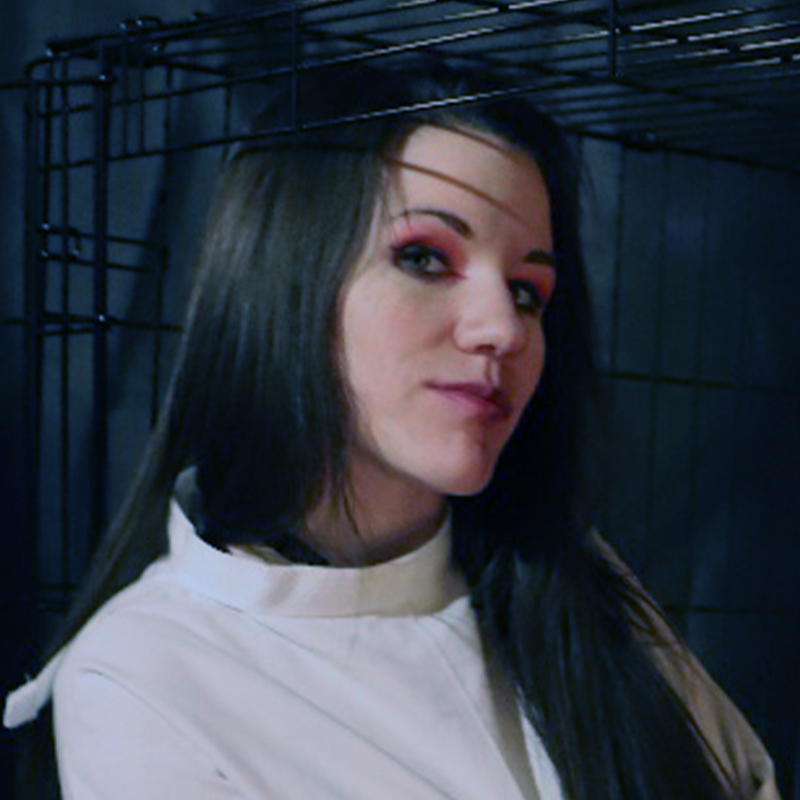
A girl with a passion for sideshow simply looking to distract people from reality for a little while. Sometimes I’m cute, sometimes I’m sultry, sometimes I’m wild, but I’m always happy to have you along for the ride!
What inspired you to become a sideshow performer?
I can’t pinpoint one specific event or moment when I decided the sideshow oddity life was for me. I’ve always been a bit odd and instead of resisting it, I chose to embrace it. I started with the art of sword swallowing, which I’m still working on. On that journey, I came across a community of like-minded individuals through a course called Oddity U created by sideshow legend Harley Newman. He takes on a lucky group of students and helps them learn the history of sideshow acts and performers, dangerous stunts, and respect for the fading art of sideshows and their respective community. Taking his course is what sparked my journey into the professional sideshow abyss.
Tell everyone about your YouTube channel.
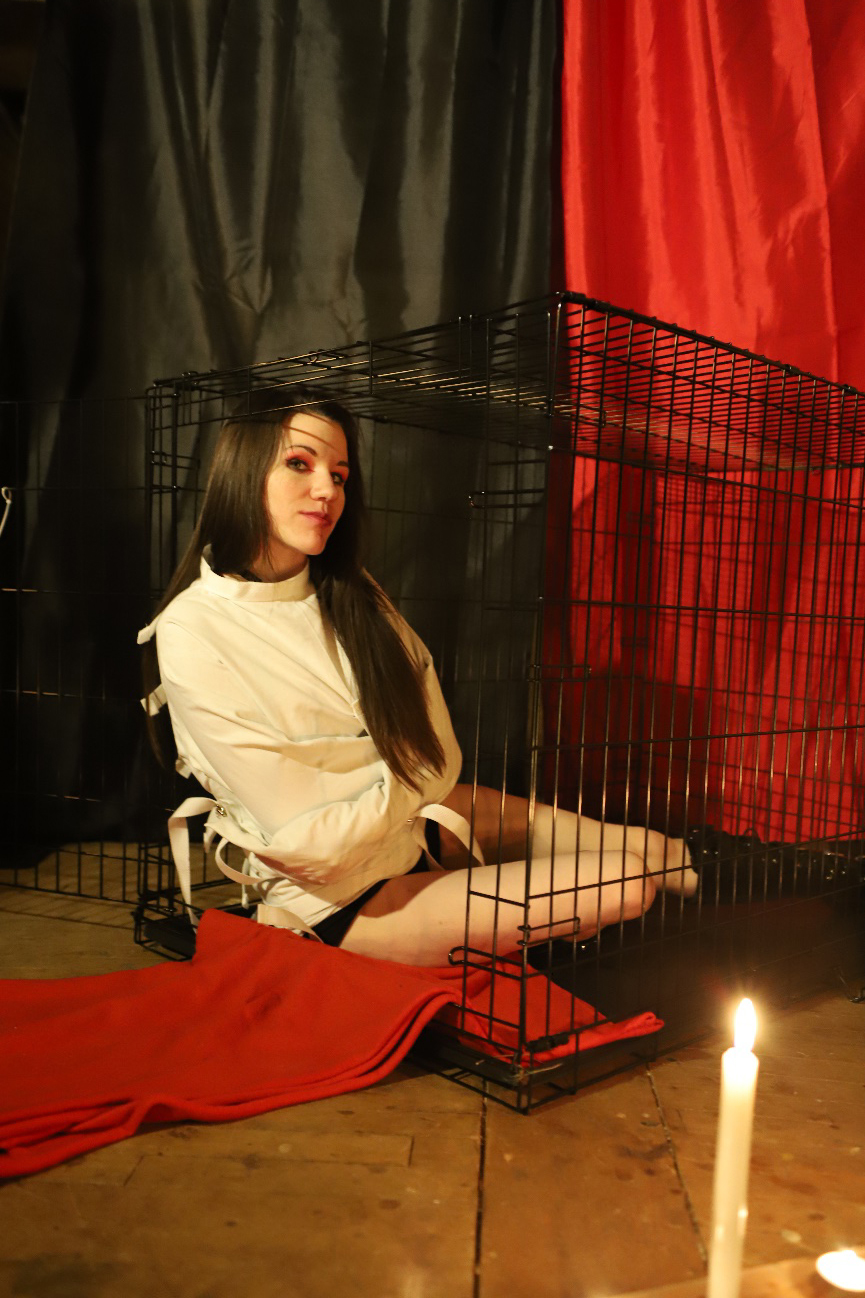
I run a channel on YouTube where I post some new stunts, examples of shows I’ve participated in, and things I’m working on. I’m trying to educate folks online spreading the beauty behind the mysterious world of sideshows. I’ve been working with a graduate of Oddity U who runs a company called Asylum Aspire and is working on creating replica Posey straitjackets, I post all of those escapes on my channel. I’ve tested those jackets and they are exquisite quality with straps, seams, buckles, and canvas to go crazy for.
Have you ever been afraid you’ll get hurt and decided not to try something for your performance?
In all honesty the first time I attempt any stunt I’m worried, but I have had guidance from sideshow greats like Harley Newman and FenyxFyre. They put my mind at ease. In Oddity U one of the first things you learn is what can go wrong, and what to do when something does go wrong. Smashing a cinderblock on your stomach while laying on a bed of 1000s of spiral roofing nails can go wrong in many ways, chopping produce on your body with machetes can go very wrong, and hammering objects through your sinuses is also not something to take lightly. Preparation is key to any stunt and backing down without making an attempt to conquer that fear is not an option in my mind.
You are also a model and have your own Patreon. Which do you prefer as an artist, modeling, or Oddity performer?
I prefer performing, I have a Patreon where I post my more sexualized content. I love trying things like human block heading or laying on a nail bed with risqué outfits. I use the donations from my patrons to reinvest in props, costumes, and other necessities for upcoming performances.
Do you think your environment, where you live, has an effect on the type of art you create?
Not at all, my imagination roams quite free even during the current lockdown, in fact, it’s given me ample time to workshop new ideas.
Is it easier for you to create if given an assignment or does it get in the way of your creativity?
Depends on the project, things like photoshoots are easier when given directions for poses or locations to convey the mood we’re trying to exude. While arranging a performance, it’s easier to go with my gut on the direction of the act because the live performance will always have different variables.
You also create characters for your work. Have you thought of creating those characters for a book or video series?
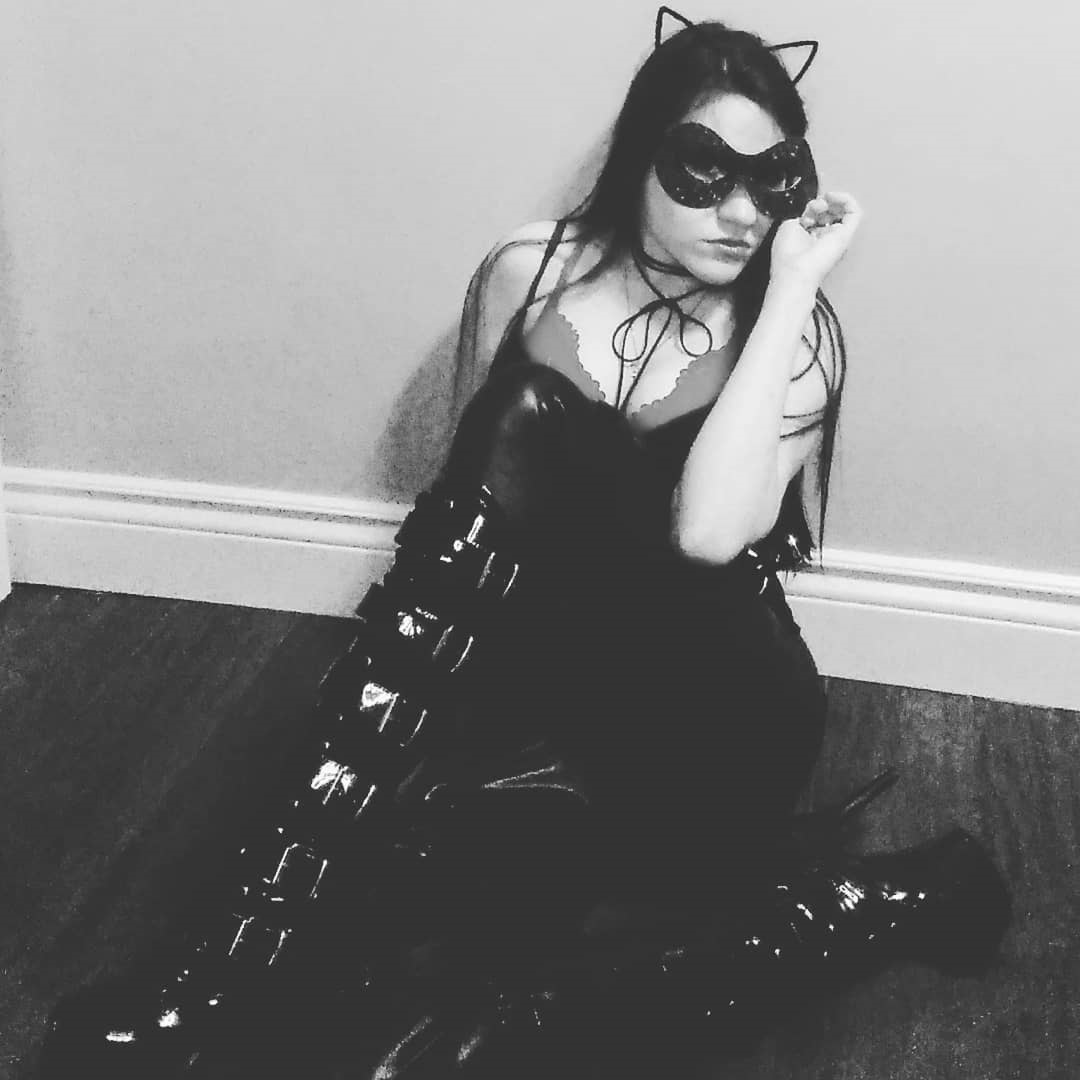
I don’t have any original characters. I do the occasional cosplay on my Instagram just for fun.
What act or photoshoot are you most proud of?
My favorite photos and work vary from day-to-day. I love any image I’m block heading in, it’s my favorite stunt because it was the first one I actually accomplished solo. I was at home trying and trying until it clicked, from there I’ve used many other objects and I plan to use many more.
You take requests for your photos. What is the oddest thing anyone has asked you to create for those photos or the strangest thing you ever performed for your act?
Probably because of my escape videos, I tend to get requests relating to bondage fetishes, nothing too crazy but one request was for an hour-long video of me wearing a straitjacket and struggling to escape but never actually escaping. As for the strangest thing I have performed, I’d have to say it was my Chucky photoshoot based on the doll from Child’s Play. It ended up being my most polarizing set, some people found it creepy, others thought it was strangely arousing.
What projects are you working on now?
I’m hoping to do something with FenyxFyre soon, the details are TBA. I have some fun horror photoshoots planned and new escapes on the table. A new straitjacket from Asylum Aspire, and a new outfit with some ideas I hope I’ll be able to bring to life.
More about Roxie Cage

FINGERS – An Audio Play by Pete Lutz ©
A kidnapped woman cries out in desperation, unaware that someone — or something — is listening. Deep in the woods, justice comes not from law, but from beyond the grave. “Fingers” is a haunting tale of vengeance where the past claws its way into the present, and evil doesn’t go unpunished.
CAST OF CHARACTERS (in order of appearance):
- ANNOUNCER
- WOMAN
- MAN 1
- MAN 2
- GIRL
- BOSS
- COP 1
- COP 2
- MEDICAL EXAMINER
- BACKGROUND VOICES (MALE/FEMALE)
FINGERS
An Audio Play by Pete Lutz
CANNED R-RATED STATEMENT (LSV)
CANNED ANNOUNCEMENT.
SERIES THEME UP.
ANNOUNCER.
Tonight – “Fingers”, by Pete Lutz!
EPISODE THEME UP AND UNDER.
PETE.
Good evening and welcome to the Season Four Premiere of Pulp-Pourri Theatre! Yes, you heard correctly: Season Four! Now, I’m going to wax poetic for a few moments before we start our show, so please bear with me. First off, I’m very happy to be able to continue bringing you what I believe are the best audio dramas available online, and just as happy to be providing the same mix of pulp-adapted and pulp-inspired plays, as in our previous seasons. In episodes to come you’ll be hearing stories from Dashiell Hammett, Alan LeMay and Edgar Allan Poe; new dramas from guest playwrights Mike Murphy and Mark Slade; a few original ones from me; and, of course, we’re bringing back history’s first pulp fiction hack Bill Shakespeare, with our season finale: “Othello”! And, as a very special treat, each episode of this season is in fact a double-feature! Immediately following this and every episode of season four is an installment of my original western serial, “Jake Dimes, Range Detective”! [CHEESY ANNOUNCER VOICE] So, from start to finish, we know you’ll agree, Pulp-Pourri Theatre truly satisfies! [PAUSE] Now, I’ve taken quite a bit of time bragging on us, and I hope you don’t mind – it’s only because this is the season premiere. And that being said, let’s finally turn our attention to that: Not too long ago I was watching one of my favorite TV shows – it’s a network program about a family of cops – and the episode dealt with a number of murdered girls and young women discovered in a wooded area. This sort of subject – serial murder – is, unfortunately, very often in the news, and it’s something that bothers me quite a bit. And so I got to thinking: what if real justice was available – what if one of the killer’s victims was able to reach out from the grave and extract her revenge? And that’s where tonight’s play, “Fingers”, comes from. [BEAT] But we must warn you: this tale of the supernatural is definitely not for the timid soul. And so: if you are unable to handle the tension and excitement of this imaginative play, or if you frighten easily, we urge you calmly, but sincerely, to turn off this program…now. [BEAT] We’ll begin right after this important word. You’re listening to Pulp-Pourri Theatre, starring the Narada Radio Company!
THEME OUT. SPOT [TBD]. THEME UP & UNDER.
ANNOUNCER.
And now: “Fingers”, by Pete Lutz, tonight’s Pulp-Pourri Theatre presentation.
SFX. Fade in outdoor sounds: nature, slight breeze, birds, etc. Bring up for several seconds, then bring down as a sobbing voice comes up. We’re moving indoors to a deserted cabin in the woods.
WOMAN.[FILTERED FOR CABIN INTERIOR]
[WEAK SOBBING, AS IF SHE’S BEEN CRYING FOR DAYS; HER VOICE IS HOARSE AS SHE YELLS, CRACKS WHEN SHE SPEAKS]
Is there anybody there? Is there anybody there? Please! Help me! I’m tied to a bed, and I don’t know where I am! [SOBBING] Please, somebody help me! Can’t anybody hear me? Isn’t there anyone out there who can help? [BREAKS DOWN INTO INCOHERENT SOBBING,
FADE OUT]
SFX. Fade in car driving on road, continue under dialog.
MAN 1. [FILTERED FOR CAR INTERIOR] How much farther till we get to the cabin?
MAN 2. [FILTERED FOR CAR INTERIOR]
Couple miles. Why you gotta ast that every time we come out this way? We’ve been to this cabin a hunnerd times.
MAN 1.
Yeah, I know. I just get antsy. That bitch we got tied up out there is really a frickin’ hot bitch. Mmm, wow! [GIGGLE]
MAN 2.
Yeah, an’ you’ve already had her twice’t.
MAN 1.
So have you! So have you!
MAN 2.
I had her once’t. The second time, I stayed out in the big room while you did her.
MAN 1.
Yeah, that’s right. [GIGGLE] Jesus, she’s one hot bitch, with that black hair, and
those pert boo[bies] –
MAN 2. [INTERRUPTING]
Jesus Christ, will you lay off that shit? I know what the bitch looks like, all right?
MAN 1.
Christ, what’s the matter with you?
MAN 2. [MUTTERING]
Sick of you gettin’ ya goddam hormones all over the car.
MAN 1.
Huh?
MAN 2. [SNAPS]
Settle the fuck down, is what I’m sayin’.
MAN 1.
All right, all right, Jesus. [BEAT] What’s the word from the boss?
MAN 2.
He’ll come out tomorrow morning, take a look at her, and then decide on how much to ast for. MAN 1.
The boss, he’s a cool fuckin’ customer, yeah?
MAN 2.
Yeah. This chick, she’s got a rich daddy, I guess.
MAN 1.
You guess? Don’t you know who her daddy is?
MAN 2.
The boss din’t tell me, so I din’t ast him! Now willya shut ya fuckin’ trap [FADE OUT] for the rest of the fuckin’ trip…?
SFX. Fade out car. Bring up cabin interior.
WOMAN. [FILTERED FOR CABIN INTERIOR]
[WHIMPERING] Won’t somebody help me? [WHIMPERS DURING PAUSES] Won’t – won’t somebody please – ? [WHIMPERS QUIETLY]
SFX. Strange-sounding footsteps on wood floor, approaching.
GIRL. [REVERB] I’ll help you.
[LONG PAUSE]
WOMAN. [IN DISBELIEF]
Did – did somebody say something? Hello?
Hello?
GIRL.
Me. I’ll help you.
WOMAN.
Where are you?
GIRL.
Over here.
WOMAN.
I can’t see you very well. It’s so dark in here. How old are you?
GIRL.
I was nine on my last birthday. Are you scared?
WOMAN.
I’m trying not to be. But – but – yes, I am very, very frightened!
GIRL.
Have the men…done…bad things to you?
WOMAN.
Yes. [SOB] I – I don’t remember how long I’ve been here.
GIRL.
They’re coming back soon. I know they are.
I’ll help you when they come back.
WOMAN. [AGITATED]
When they come back? Can’t you just untie me now and we can get away?
GIRL.
No! I don’t have enough fingers to do that. I only got enough to help you…a different way. [WHISPERS OMINOUSLY] Three fingers to do the job.
SFX. A few moments of silence. Fade up car as before, for a few seconds, then sound of a tire being blown out. Car comes to a stop.
MAN 2.
Shit! Shit, I hate changing tires.
SFX. Car doors open, shut in sequence.
Footsteps on gravel.
MAN 1.
We got a spare?
MAN 2.
Yeah. Listen, you hoof it to the cabin. We been away too long. I’ll change the tire.
MAN 1.
What? Walk the rest of the way?
MAN 2.
Grab the food and water out of the back and give her some when you get there. I’ll follow along when I’m done.
MAN 1.
Aw, c’mon! I hate walkin’.
MAN 2.
Will ya just do it? The boss’ll be comin’ along tomorrow, an’ we need to be sure that the girl is OK, an’ the cabin is straightened away.
MAN 1.
All right. [BEAT; SIGH]
MAN 2.
Hurry along. [FADE OUT] It ain’t gonna kill ya.
SFX. Fade up footsteps in dirt. Cabin door opens, more footsteps on floor.
MAN 1. [CALLING OUT]
Hey hello! It’s me! [HEH HEH] Didja miss me? [BEAT] There you are! Just where we left ya. What’s the matter, hon? Cat gotcher tongue? I broughtcha some food and water, figure you’re needin’ it. Git your strength back so the boss kin figure out what to do with you, eh? Me, I’d just as soon bury you out there in the woods with the others, after we get the money from yer old man. [HEH] But we got time to think about that, don’t we?
SFX. Pulling something from plastic shopping bag, footsteps across room, creak of bedsprings.
Anyway, are ya thirsty? I got some water here. Bring yer head up an’ I’ll give ya some. GIRL.
[GIRLISH GIGGLE, REVERB]
MAN 1.
The hell – ?
GIRL.
[REPEAT GIGGLE]
MAN 1.
Who the hell is that?
GIRL.
Don’t you recognize me?
MAN 1.
Hell, no! You’re standing in the dark! Come out into the light! [BEAT] Dintcha hear me?
I said, step out into the light, girl!
GIRL.
I’m sorry you don’t remember me. Your friends will, I’ll bet.
MAN 1.
The fuck are you?
GIRL.
Why don’t you just come over here and find out? I think you’ll remember me once you see me. MAN 1.
Ain’t the little ones I like, that’s the boss. He likes em all sizes an’ ages. [REMEMBERS HIMSELF] But you just git yerself outa them shadows, like I said!
GIRL. [TAUNTING]
Come over and get me, you big bad man!
SFX. Footsteps crossing floor at X.
MAN 1.
Think I won’t? Think I want some little girl to get away with sassin’ me? [X] You got another think comin’!
GIRL.
Hello.
MAN 1. [SURPRISED THEN FRIGHTENED]
The fuck? Oh, my god – you – you’re not – [HE STARTS A SCREAM BUT THEN GAGS]
SFX. Stabbing sound, breaking of small bone, body falling to floor.
MAN 1.
[DEATH GURGLE]
GIRL.
[WHISPER] Two fingers left to do the job.
SFX. Gong.
ANNOUNCER.
We’ll return to tonight’s play, “Fingers”, by Pete Lutz, in just a moment. You’re listening to Pulp-Pourri Theatre, starring The Narada Radio Company!
SPOT [TBD].
ANNOUNCER.
Now, let’s return to “Fingers”, on PulpPourri Theatre, starring The Narada Radio Company!
SFX. Fade in outdoor sounds, as before, then car approaches on dirt road. Car stops, cut engine, car door opens, closes. Footsteps on dirt.
MAN 2. [TIRED BUT RELIEVED]
Jesus, I’m finally here. That was the toughest tire-change I’ve ever had to do. And now – huh – sun’s goin’ down. I hope he’s got something for us to eat.
SFX. Cabin door opens, shuts. Footsteps on floor. Footsteps stop. Light switch on, off.
Hey, what gives with the lights? Can’t you hear me? What’re you doin’ in that chair over there, can’t you hear me? How come there ain’t no power? We blow a fuse or something? What’s the matter with you?
SFX. Footsteps across room.
I said, what the fuck is the mat – SHIT!
SFX. Body falls to floor, chair tips over.
Pistol pulled from holster.
MAN 2. [EXCITED, FRIGHTENED]
Jesus Christ, he’s dead! Somebody stabbed him in the throat with something!
SFX. Short scraping noise on floor.
Who – who’s that? Where, ah, where are you?
GIRL.
[LAUGHTER, REVERB, PAN L-R-L.]
MAN 2.
Holy shit!
SFX. Three gunshots.
[PANTING OF MAN 2, HARD SWALLOW]
GIRL. [TEASING TONE]
You missed me.
MAN 2.
What?
GIRL. [SINISTER TAUNTING, SLOWLY SINGING] Missed me, missed me, now you gotta kiss me.
MAN 2.
Who is that? Are you the girl we had tied to the bed?
GIRL.
I was tied to the bed, once. But I’m not the one you’re thinking of.
MAN 2.
Where are you? I can’t see anybody.
GIRL.
I’m over here. Come and find me. [GIGGLE]
MAN 2.
I swear to god, I’ll kill you, you fuck with me.
SFX. Slow footsteps on floor, hesitant.
GIRL.
Follow my voice. You’re getting warmer!
MAN 2.
It’s getting so dark in here… Where are you? Keep talkin’, you little bitch. When I find you, I’ll –
GIRL.
You’re red-hot!
MAN 2. [FRIGHTENED OUT OF HIS MIND]
Ohhh, shi-i-i-i-t!
SFX. Stabbing sound, breaking of small bone, body falling to floor.
MAN 2.
[DEATH GURGLE]
GIRL.
[WHISPER] One finger left to do the job.
SFX. Gong as before.
MUSIC, TRANSITIONAL.
SFX. Fade in light rainfall. Different car approaches, stops. Cut engine. Door opens, shuts. Running footsteps in mud and puddles.
Cabin door opens, slams shut.
BOSS.
[PANTING A FEW SECONDS] Boys? Hey! Boys! I’m here, who cut the lights?
SFX. Light switch, on/off, extra clicks.
Slapping pockets at X.
Oh, great. Fuckin’ wet out there, fuckin’ dark in here. [X] No matches. Shit. [BEAT] There a flashlight anyplace? Boys! Where the fuck are ya?! [BEAT] Their car’s outside, but they ain’t here. I must be goin’ nuts, or they are. [ANGRY SIGH] Well, let’s hope that bitch is still here. I’ll try to find my way to the back room…
SFX. Slow, scraping footsteps.
GIRL. [QUIETLY]
Yes, she’s still here. We both are.
SFX. Spin on heels, stop.
BOSS.
Who the fuck said that? What did you say?
GIRL. [A LITTLE LOUDER]
I said, the other girl is still here, and so am I.
BOSS. [BEGINNING TO BE FRIGHTENED]
Where are you?
GIRL.
I’m over here. [BEAT] Why did you do it?
BOSS.
Huh?
GIRL.
Why…did you…do it?
BOSS.
What the fuck are you talkin’ about, little girl? GIRL.
Just a few more hours to wait, and my daddy would’ve had the money for you. Why didn’t you wait? Why did you do it?
BOSS.
The fuck are you talkin’ about? I don’t –
GIRL.
You broke me inside. You hurt me, you did bad things to me, and you broke me inside.
BOSS.
What? Shut up, you’re crazy. Who the fuh –
GIRL.
I cried so hard. I begged you to stop. I begged you, and you lost your temper, and one of your men cut out my tongue.
BOSS.
Now I know you’re crazy!
GIRL.
You and your men buried me out in the woods. I was so cold! Why didn’t you wait just a little longer? Wait for my daddy to –
BOSS.
Shut up, shut up, shut your fuckin’ mouth! I don’t know you, I don’t know what you’re talking about, you little fuck! Where are my boys?
GIRL. [QUIETLY]
Look over there. They’ve been sitting on the sofa this whole time. [GIGGLE]
BOSS.
I can’t see a fuckin’ thing!
GIRL.
I can fix that.
SFX. Hum of electric lights coming on.
BOSS.
That’s better. Now – hey, boys! What’s the matter with you?
SFX. A few footsteps, stop suddenly.
Oh, Christ. They’re dead! What happened?
GIRL.
They didn’t want to play with me. [GIGGLE]
BOSS.
What’s so, what’s so fuckin’ funny, you little shit? What’s that stickin’ out of their throats? Huh? Answer me! Where are you?! GIRL.
I’m still over here. Don’t you want to come and find me?
BOSS.
I see you in the shadows, but I still can’t see your face. Come here, girl!
GIRL.
I was in the ground a long time. I don’t think you want to see me. You didn’t dig a very deep hole. Animals got to me. Wolves and foxes took away almost all of my fingers. All but three.
BOSS.
Jesus Christ, what the fuck are you talking about?
GIRL.
I was cold there, in the ground, but had to stay there. But that girl in the other room – she called out for somebody to help her. She called and called. She sounded so sad and so lonely. I remembered how sad and lonely I was, back then. So I came to help her.
BOSS. [BABBLING]
No, no, you can’t be – I don’t – you –
GIRL.
I gave your other men my fingers, and I have one finger left, to give you.
SFX. Scraping, bone-like footsteps.
[SHRIEKS] Look at me! [YELLS] Aaaaaah!
BOSS.
[COMPLETELY FREAKED OUT] No! No! NOOO! Get down, get offa me! Jesus Gaaa—[CUTS OFF,
GURGLES]
GIRL.
[WHISPERS] The job. Is done. [LONG EXHALE]
SFX. Falling bones on floor.
BOSS.
[DEATH GURGLE]
SFX. Body falls, lands on floor. Rattle of a bone, as if skittering across floor.
Gong, as before.
ANNOUNCER.
We’ll return with the conclusion of “Fingers”, by Pete Lutz, after this brief word. You’re listening to Pulp-Pourri Theatre, starring the Narada Radio Company!
SPOT [TBD].
ANNOUNCER.
And now, the conclusion of…”Fingers.”
SFX. Gong.
FADE IN excited voices of several COPS.
COP 1.
[FADE IN] Miss? Miss, are you all right?
Hello, hello, are you all right?
WOMAN. [WAKING WITH A START] Oh! Oh! No, please don’t hurt me!
COP 1.
No, it’s all right, miss, I’m a cop. We’re here to take you to safety.
WOMAN.
What? Oh, thank god, thank god! I didn’t think anybody would ever find me! How did you find me?
COP 1.
Somebody reported two suspicious cars out here, and when we found the cars we found the cabin, and then we found you. Do you – ah – know what happened to those three men?
WOMAN.
It was three men who kidnapped me, and – and! [CUTS HERSELF OFF; SWALLOWS] Did you catch them?
COP 1.
Uh, no. Somebody killed them, in a pretty strange way. Looks like a bone, pierced their windpipes. Did you see anything, Miss?
WOMAN.
No, I’ve been shut up in this room…oh…do you think it was the little girl?
COP 1.
Little girl? We didn’t see no little girl, Miss. And anyway, how could a little girl shove something like a bone into their –
COP 2. [DISTANT] Clancy! Hey, Clancy!
COP 1.
[CALLING BACK] What is it, Dugan?
COP 2. [DISTANT] Come here! Hurry!
COP 1.
[CALLING BACK] All right! Keep yer shirt on! [TO WOMAN] Excuse me, miss. Um, I, I think the paramedics are here, I’ll send them in to look after you.
WOMAN.
Thank you, Officer.
SFX. Footsteps crossing floor.
COP 1.
Now, Dugan, just what is so important, that you interrupted the questioning of a witness?
COP 2.
The medical examiner’s discovered something.
Tell him, Doc.
MED. EXAMINER.
Well, I was looking over the body of the man on the floor here, and when I lifted him up, I found this.
COP 2. [AWESTRUCK]
Will ya look at that, Clancy?
COP 1. [DUMBFOUNDED]
Jesus, Mary and Joseph. It’s a wee skeleton, in a tattered dress – [GASP; AMAZED WHISPER] and…all its finger bones are gone!
SFX. Gong, as before.
[PAUSE]
EPISODE THEME UP AND UNDER.
ANNOUNCER.
Tonight’s play was “Fingers”, which was written in 2015 especially for Pulp-Pourri Theatre, produced and directed by Pete Lutz. [BEAT] Pete, I have to say, you’ve really outdone yourself tonight. This was a season premiere for the books!
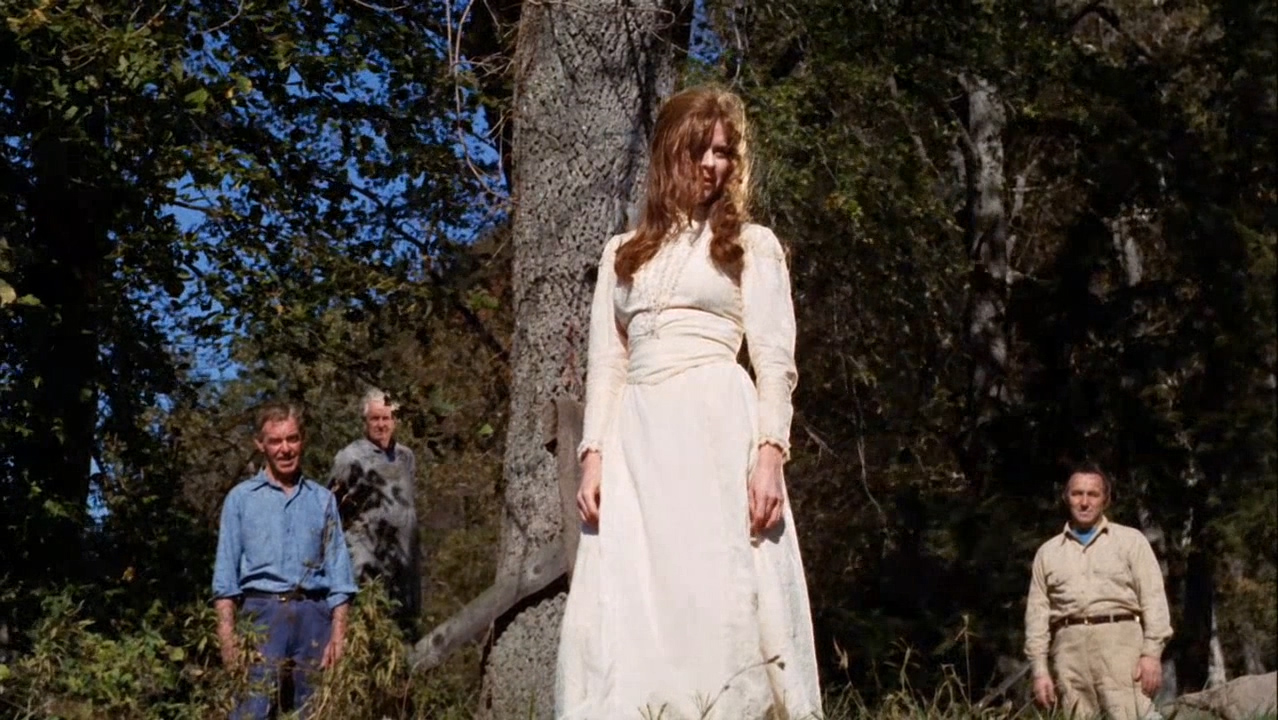
PETE.
[CHUCKLE] Sorry if it was a little too intense for you. I wanted to stretch my macabre wings, so to speak, and spin a scary, spooky yarn in time for Halloween.
ANNOUNCER.
Well, I guess you did that, all right. [BRRR! CHUCKLE] That was right up there with the scariest episodes of Arch Oboler’s “Lights Out”.
PETE.
I’m glad you mentioned that classic radio show, because I felt I was channeling the spirit of Mr. Oboler as I wrote, that he was guiding my hands on the keyboard.
ANNOUNCER.
Don’t you mean… your FINGERS? [CHUCKLE; PAUSE] Featured in our cast were:
_____________ as the YOUNG WOMAN
_____________ as the GIRL
_____________ as the FIRST MAN
_____________ as the SECOND MAN
_____________ as the BOSS
_____________ as the FIRST COP
_____________ as the SECOND COP; and _____________ as the MEDICAL EXAMINER
Additional voices were provided by ________.
Your announcer was ________________________.
And now, here’s Pete, to tell you about our next episode.
PETE.
Next time, we’re traveling to a distant kingdom in a faraway time, to meet a murderous king and his unwitting victims. Our story-spinner is the award-winning audio drama playwright, Mike Murphy, and his tale is called “The King’s Prerogative.” That’s in our next episode of Pulp-Pourri Theatre! Until then, this is Pete Lutz, wishing you all a very happy Halloween! Thank you for listening, and remember to call me if your situation changes – and to keep your ears clean!
THEME OUT.