

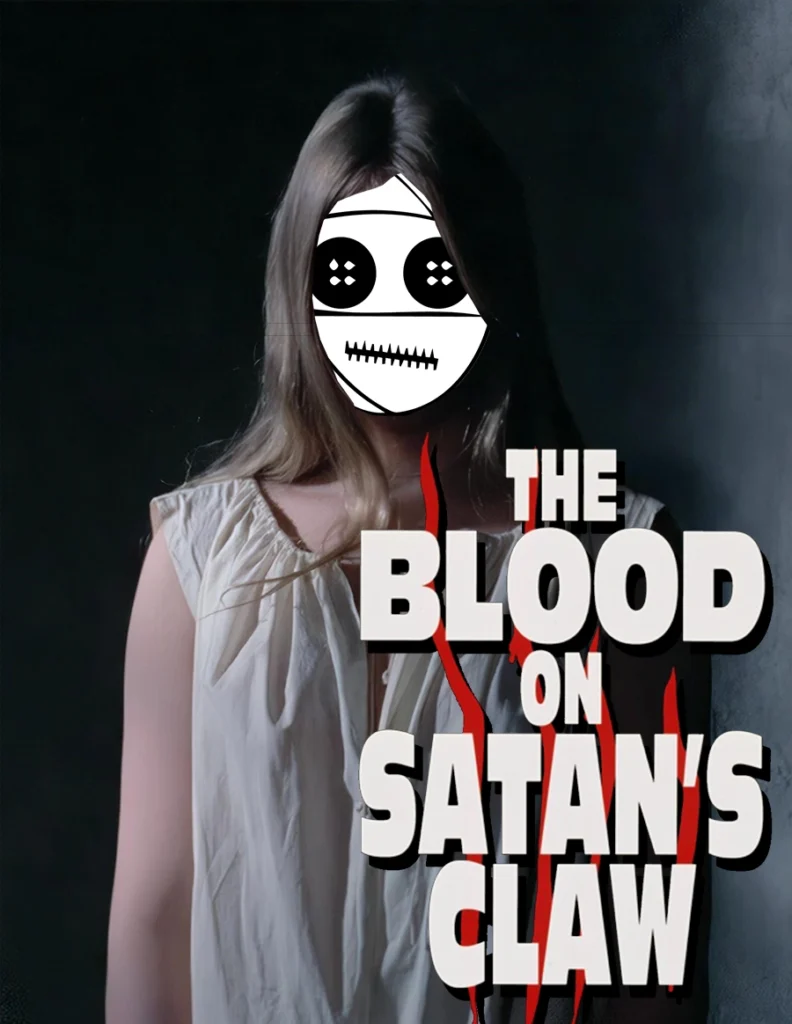
Buttonface Reviews: The Blood on Satan’s Claw (1971)
Teen cults, demon flesh, and naked witches in this folk horror nightmare
Written by ButtonfaceSome horror movies creep up on you. Others grab you by your serf tights, drag you into a field, and shove your face into a freshly unearthed demon corpse. The Blood on Satan’s Claw is firmly in the second category.
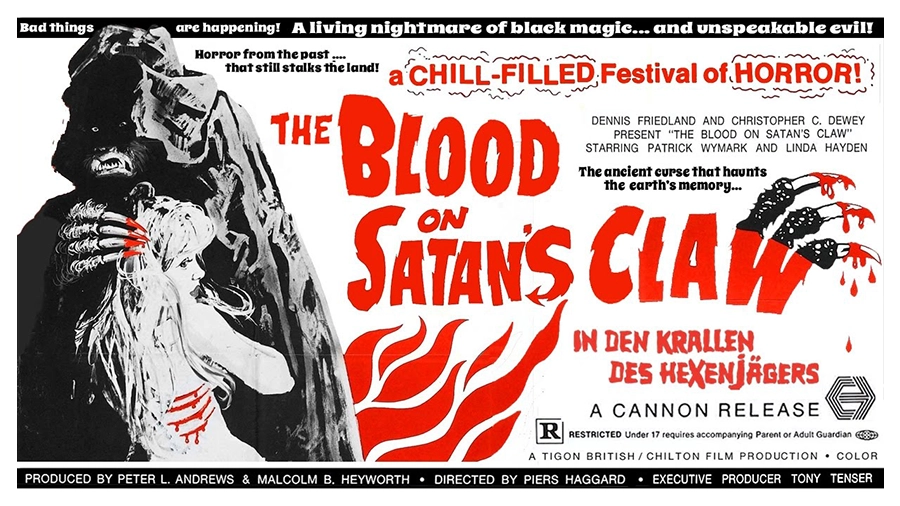
Released in 1971 and directed by Piers Haggard, this pastoral nightmare sits right at the crossroads where British folk horror was trying to figure itself out. Written by Robert Wynne-Simmons, who would later write and direct The Outcasts during the Irish film renaissance, the movie began life as something very different. The original script was titled The Devil’s Skin. It was conceived as an anthology of horror stories: a woman imprisoned in an attic, children discovering a monstrous carcass in a field, and a man hacking off his own demon-possessed hand.
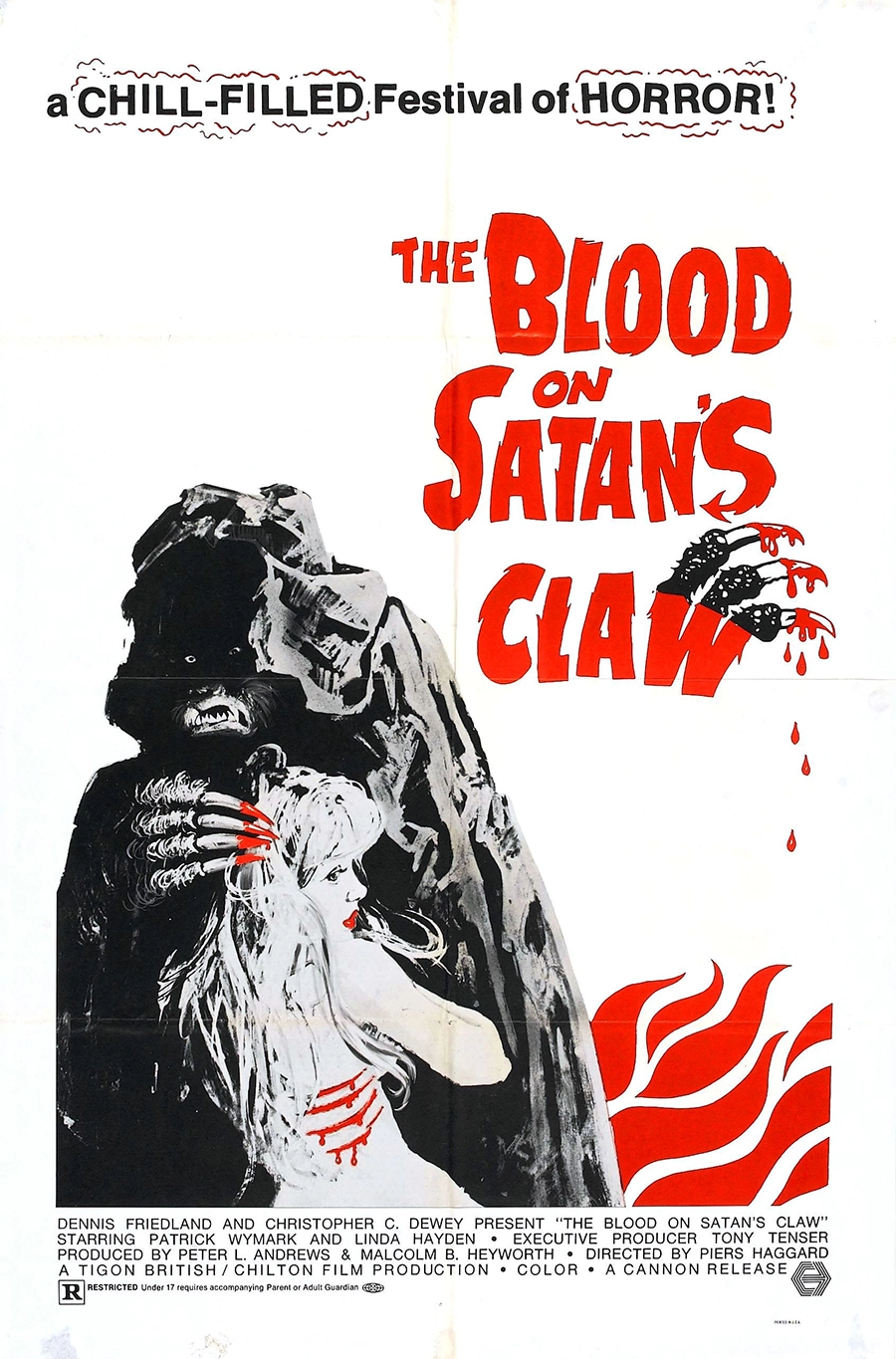
Ultimately, the anthology idea was canned. Haggard and Wynne-Simmons reshaped the material into a single narrative about a rural village slowly infected by a demonic presence lurking beneath the soil. The final film has the feeling of a folk tale unfolding like rot beneath the earth. It is slow, inevitable, and unsettling.
The Three Movies That Summoned Folk Horror
If you’ve been sniffing around horror flicks for any length of time, you’ve probably heard of folk horror. The genre is less about jump scares and more about place, landscapes, history, isolated communities, traditions, and the creeping realization that the past never left and the wilds were never tamed.
Most point to three films as the genre’s foundation, referred to as the “Unholy Trinity” of folk horror:
- Witchfinder General (1968)
- The Blood on Satan’s Claw (1971)
- The Wicker Man (1973)


Each film approaches the idea differently. Witchfinder General explores cruelty hiding behind religious authority. The Wicker Man dives into paganism and cultural collision. Blood on Satan’s Claw sits somewhere in between, where superstition, satanism, and teenage sex cult hysteria meet in a field and make a horror baby.
Teenagers, Cults, and a Demon in the Ground
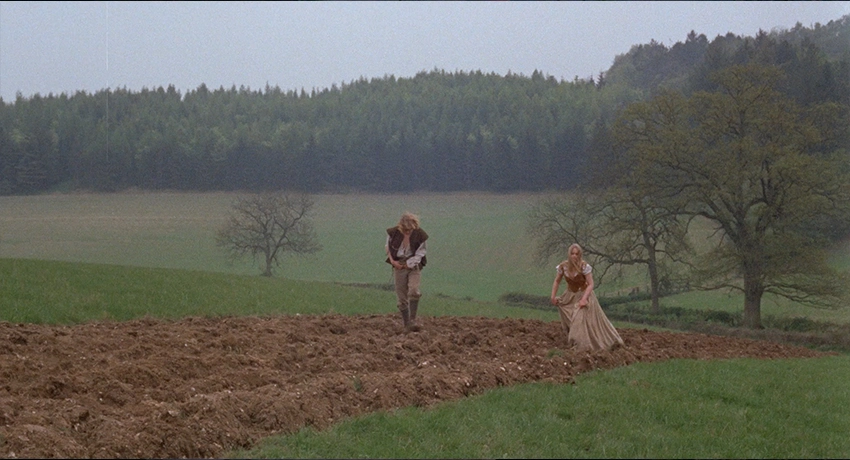
The film begins with a farmer uncovering something unpleasant in his field. Something that definitely should have stayed underground.
From there, things spiral quickly. Spiraling quickly is uncommon in today’s folk horror. Newer entries are much more prone to a slow burn.
The village youth begin behaving strangely, forming a secret cult under the leadership of the sinister Angel Blake. Bodies start appearing with patches of fur growing from their skin, and the locals slowly realize that something ancient, and possibly demonic, is clawing its way back from history.
Naturally, this leads to the most 70s solution imaginable: a fat, angry religious guy showing up with a crucifix on the end of a sword and absolutely wrecking himself some teen culties.
Today’s horror movies often lean toward inclusionism. The cult wins. Evil is good. Nowadays the cultists would win with some sort of “Baby I Was Born This Way” message.
Not here. Religion wins the day in the form of old guys messing up cult kids. Kinda like a revenge version of Baba O’Riley.
Is that good? I dunno. But, it’s hella funny.
A Very British Kind of Horror

The filmmaking style is unmistakably British horror of the era. If you’ve seen Hammer films, you’ll recognize the vibe immediately.
There’s something almost theatrical about the staging. Scenes feel like they could be a stage play, with actors arranged within cramped interiors. The film slips into handheld shots and awkwardly intimate framing that makes indoor scenes feel claustrophobic.
It’s not slick. It’s not modern. And it works.
Another thing you’ll notice is how the movie handles darkness. Modern horror tends to digitally grade shadows so that black fades smoothly. Here, the lighting is much more Rembrandt-style, a strong off-screen light casting deep, harsh shadow. And while we’re at it, how it handles light. The brighter it gets, the blurrier it gets, almost like a romance filter.
Naked Witches and Psychedelic Satan
One thing you have to admit about 1970s horror: it was an exciting decade if you’re into naked ladies and psychedelic imagery. The Blood on Satan’s Claw doesn’t shy away from either.
The cult scenes feature ritualistic gatherings, bizarre demonic ceremonies, and a few moments that made the British Board of Film Classification clutch their pearls. The film received an X rating in the UK, and several moments were shortened or optically darkened, including a controversial sequence involving Angel Blake attempting to seduce a clergyman.

According to Wynne-Simmons, an even stranger shot involving Angel performing oral sex on the demon was removed, though traces of it remain in the final cut.
The result is a movie that feels half historical drama and half psychedelic fever dream.
Mud, Weather, and Misery
One of the film’s strengths is its atmosphere. The countryside feels damp. Cold. Slightly miserable. The weather looks like actual weather. Fields stretch into gray skies, and the villages feel lived-in.
Watching the film, you can’t help wondering how accurate its depiction of the era’s social classism might be. The men are often righteous, religious, and assholes and the young girls are always joking about, you know, improprieties.
Cults and the Fear of Belonging
I love cults.
There’s something about cults in horror that just works. When the supernatural is real, cult behavior suddenly makes perfect sense. People want power. People want meaning. People want to belong.

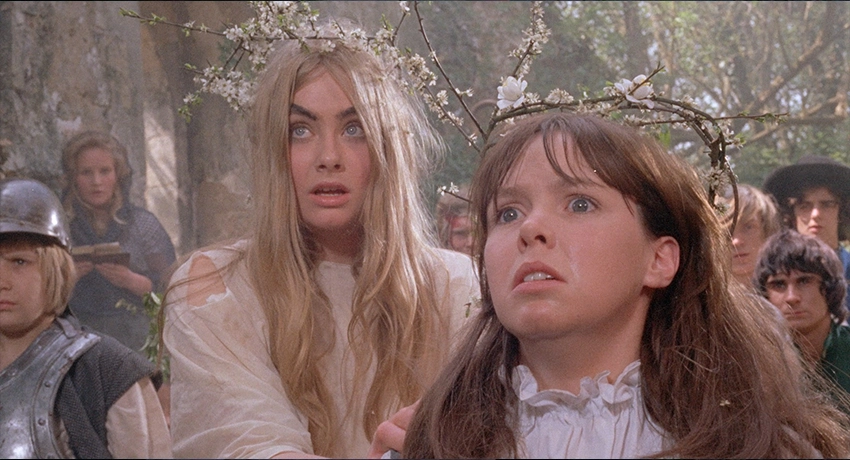
Cults exploit one of humanity’s deepest fears, that we are all outsiders.
Blood on Satan’s Claw leans hard into that anxiety. The cult isn’t some distant secret society. It’s the village children.
Off topic, but I also love a deep, spooky hole in the ground. Never trust a hole in a horror movie. Nothing good ever comes out of those things.
The Legacy of Satan’s Claw
Watching the opening of the film, it’s hard not to think of Rawhead Rex, where an ancient evil is uncovered from the earth and begins influencing the community. There are also preemptive echoes of Children of the Corn, particularly the idea of youth forming a cult under the influence of “He Who Walks Behind the Rows”, a being older than Christianity.
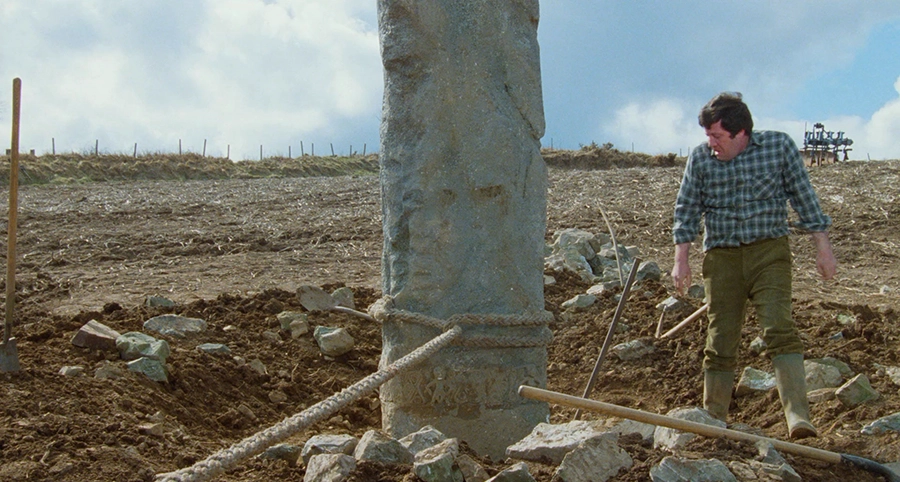

Whether or not Clive Barker or Stephen King were consciously influenced by it is debatable. But the vibes are there.
Over time the film’s reputation has grown enormously. While critics were initially mixed, modern horror fans have come to appreciate its role in shaping folk horror.
Buttonface Says…
Is The Blood on Satan’s Claw perfect? No. It’s slow in places. The pacing can wander.
It’s muddy, strange, occasionally sleazy, and completely fascinated with the idea that evil might literally be buried in the soil beneath our feet. Sounds pretty good to me.
If you love cults, creepy villages, naked witches, and demon flesh, this movie absolutely deserves a place on your watch list.

Date Modified: 03-08-2026