

The Many Lives of Chet Williamson
How a horror writer became a teacher, actor, and narrator—without losing his voice or his edge.
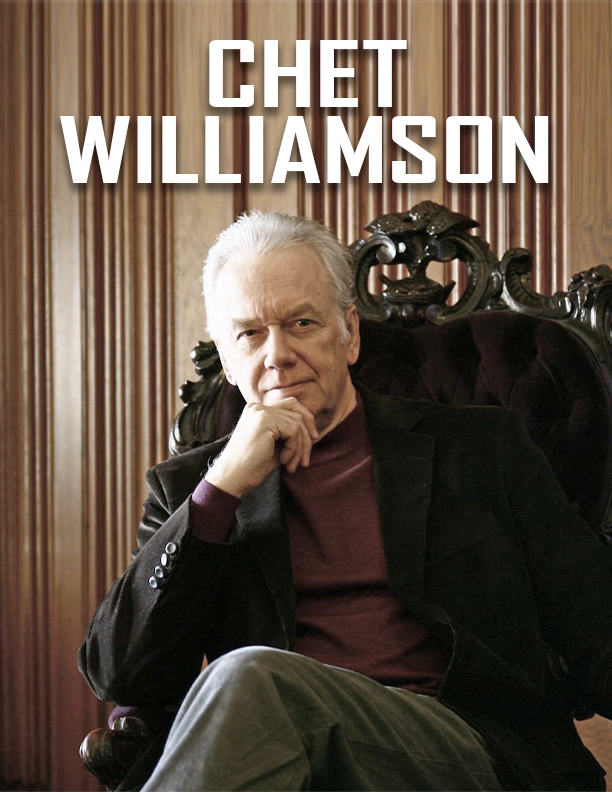
Written by Mark SladeChet Williamson is an acclaimed American author whose work spans horror, suspense, and dark fantasy. Since his debut in the early 1980s, he has published more than twenty books and over a hundred short stories, with his fiction appearing in prestigious venues such as The New Yorker, Esquire, and Playboy. A two-time Bram Stoker Award nominee and winner of the International Horror Guild Award, Williamson is known for his atmospheric storytelling and psychologically rich narratives in works like Ash Wednesday, Dreamthorp, and the authorized Psycho sequel Psycho: Sanitarium. In addition to writing, he is an accomplished stage actor and audiobook narrator, bringing the same nuanced voice to his performances that characterizes his prose.
Chet, tell us where you’re from and about your childhood.
I’ve always lived in Lancaster County, Pennsylvania, except for a year of teaching school in Cleveland. I’m from a small town, born of working-class parents who appreciated the arts. I taught myself to read before I went to kindergarten so that I could read the comic strips in the paper, and also comic books—especially the duck comics of Carl Barks. An only child, I was pretty spoiled, with access to books, music, theater, and other arts as I grew up. I started piano lessons at six, trombone at ten, voice lessons in high school. I always loved music, and my parents nurtured me in it, as well as theater, starting in tenth grade. My love for music and theater has remained with me always. And I always had plenty of books to read. My parents were avid readers, as was I.
You were a schoolteacher at one time. What do you think is the difference between teaching today and when you did it?
I shudder to think. I only taught one year, the first year I was out of college—junior high at Shaker Heights, Ohio. One of my eighth-grade students was Peter Ostrum, who had just finished playing Charlie in the Willy Wonka film. Great kid. I honestly wasn’t a very good teacher and spent most of my time in my office behind the stage (I was the official stage guy, along with being a teacher), reading horror stories. My wife was a teacher (and a good one) through her career, and the way elementary school has changed is discouraging—more curriculum and less creativity. And I think it shows in the difficulty that older students have in reading for pleasure, particularly when they’re so easily lured away by the dopamine hits on their phones.
Not only are you a terrific writer, you’re also an accomplished actor. What influenced your decision to be an actor?
That was really my first love. In high school I played leads in Carousel, Bye Bye Birdie, and South Pacific, and did tons of theatre in college, including summer stock. The year after I taught school, I got involved doing industrial shows (a/k/a “business theatre”) and joined Actors’ Equity. Along with performing, I also wrote some song parodies, then entire shows in which the actors were wholesalers and retailers of different products. We’d write an entire book musical, and they would be staged as part of the conventions. I eventually became a writer/producer of those shows, and that’s how I started writing.
Any weird backstage stories you can share?
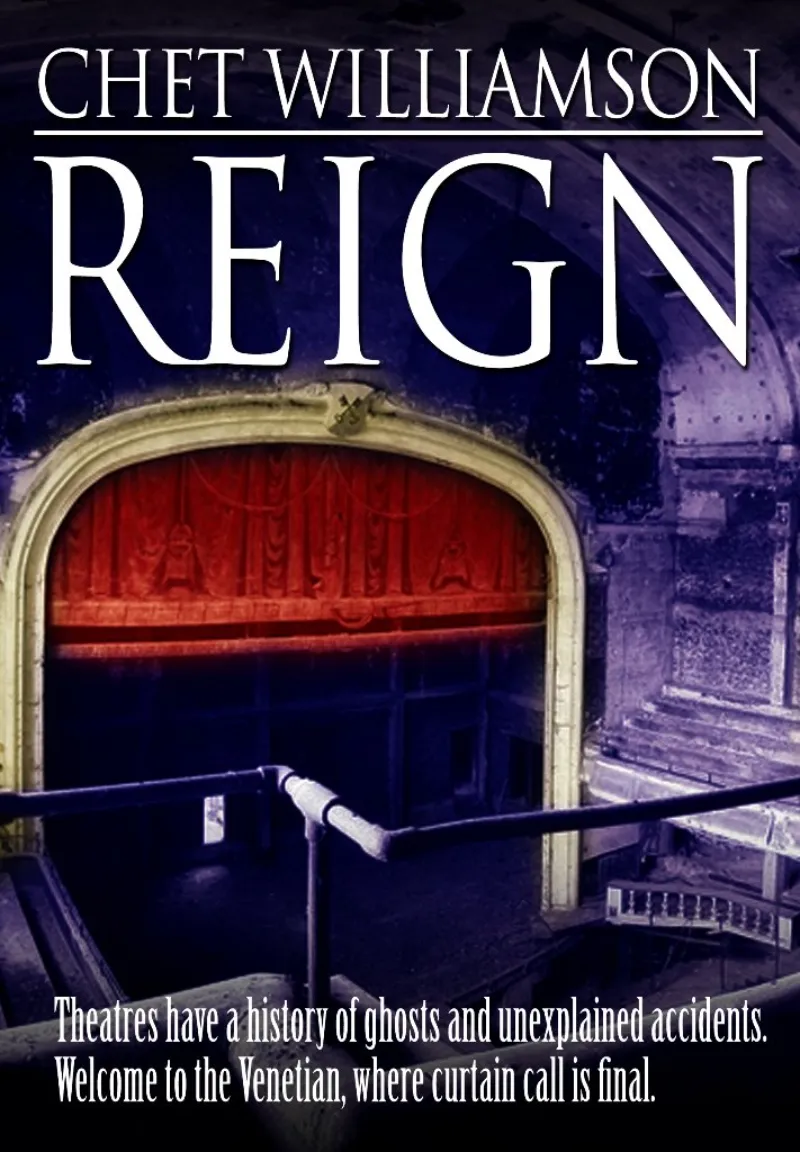
Most of the weird stories that I’d heard in theaters in which I worked were recycled into my theater novel, Reign. But not two nights go by that I don’t have detailed dreams of being on stage and not knowing what I’m doing there.
Who are your biggest influences as a writer and why?
Of the old horror gang, probably Robert Bloch, whose mode of writing stories backward in order to develop a believable (and inevitable) surprise ending had a great effect on me. Also, Richard Matheson, one of the first true contemporary horror writers. Rod Serling was an influence, as I was a huge Twilight Zone fan, though many of those stories now seem predictable and too on the nose. I read tons of Lovecraft, though I’ve hardly written any Lovecraftian stories. Cosmic horror per se has never appealed to me that much.
Of mainstream writers, Joseph Conrad has always been my god of fiction since I read eight of his novels in two weeks in a graduate course, and Ash Wednesday, my second novel, was a retelling of Lord Jim. In later years I grew to deeply love Philip Roth and Henry James, and John le Carré is my current crush. A brilliant writer.
Your story “Offices” was your first published story, and it appeared in Twilight Zone Magazine. That had to have been a thrill. What inspired that story?
Working in corporate America. There were times when I felt that doing corporate writing was taking away my soul. I suppose every would-be writer feels that way in that situation. At least I was in a position where a good part of my corporate work was creative and funny.
Have you ever had any supernatural experiences?
Except for an event recounted (and somewhat fictionalized) in my brief memoir, “A Place Where a Head Would Rest,” no. My disbelief in the supernatural is so great that I’d be delighted to accept an invitation to spend a night in a “haunted house,” if I had reading material and snacks.
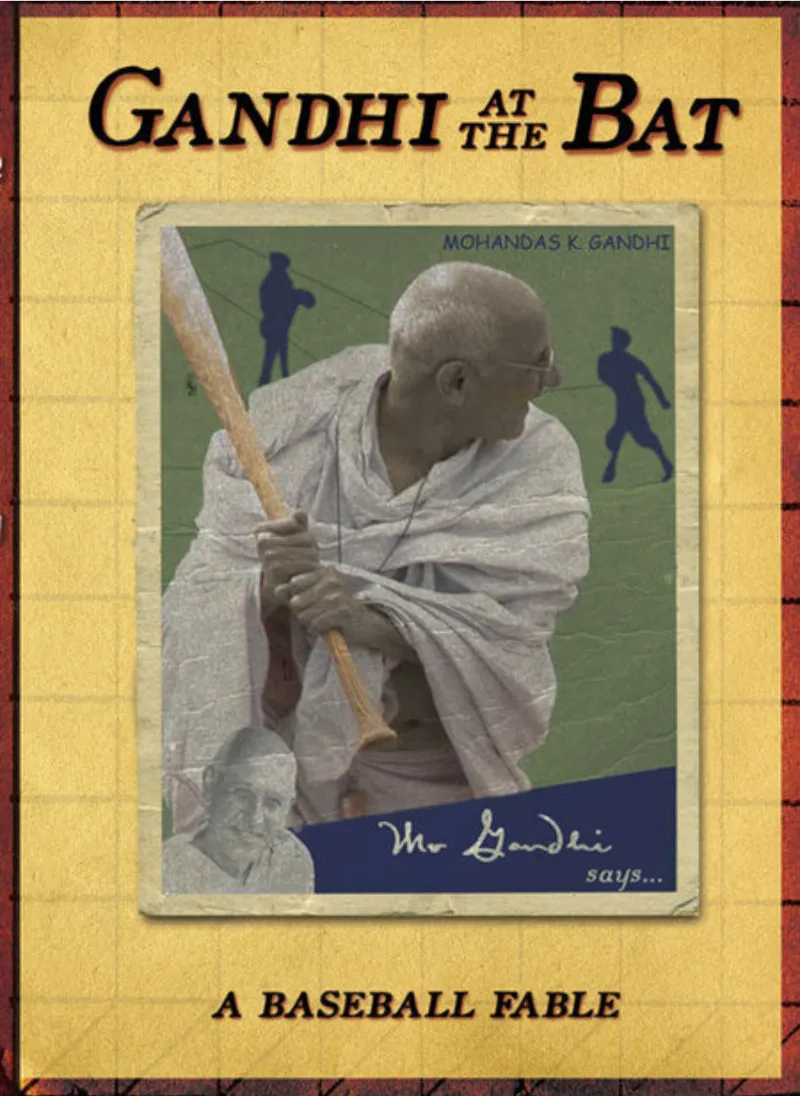
Your story “Gandhi at the Bat” was made into a short film. How did that come about?
It first appeared in The New Yorker, which tons of people read. It’s been reprinted countless times, and I was contacted by two young filmmakers who really wanted to do it—and do it right—and they did. It’s a wonderful film, and they made something far more than the little humor piece it started as.
“The Night Listener” is one of my favorite stories by you. What was the inspiration for that story?
That one is set precisely in the house in which we still live. It just came about by my lying in bed at night and imagining what could happen there, in that safest of places. It’s also about how paranoia can lead to madness.
Your first novel published was Ash Wednesday. It has an unusual plot. Was it hard to sell to publishers, and where did you get the idea for it?
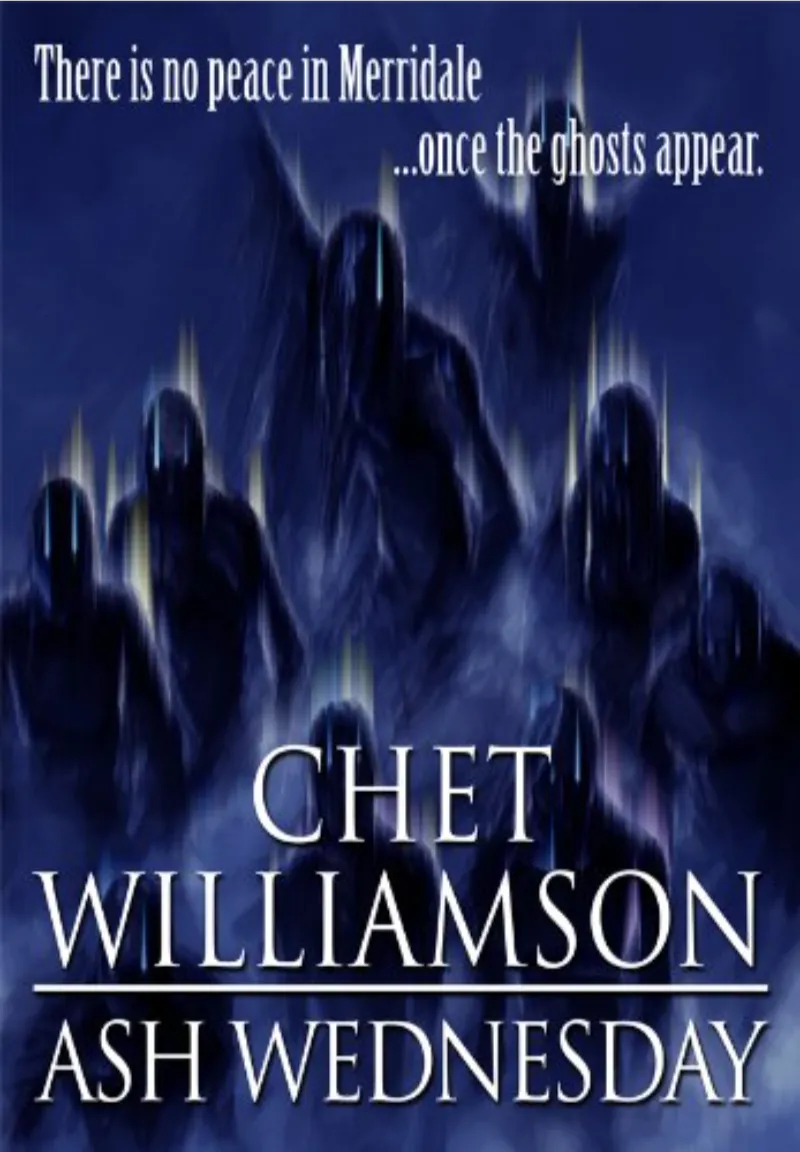
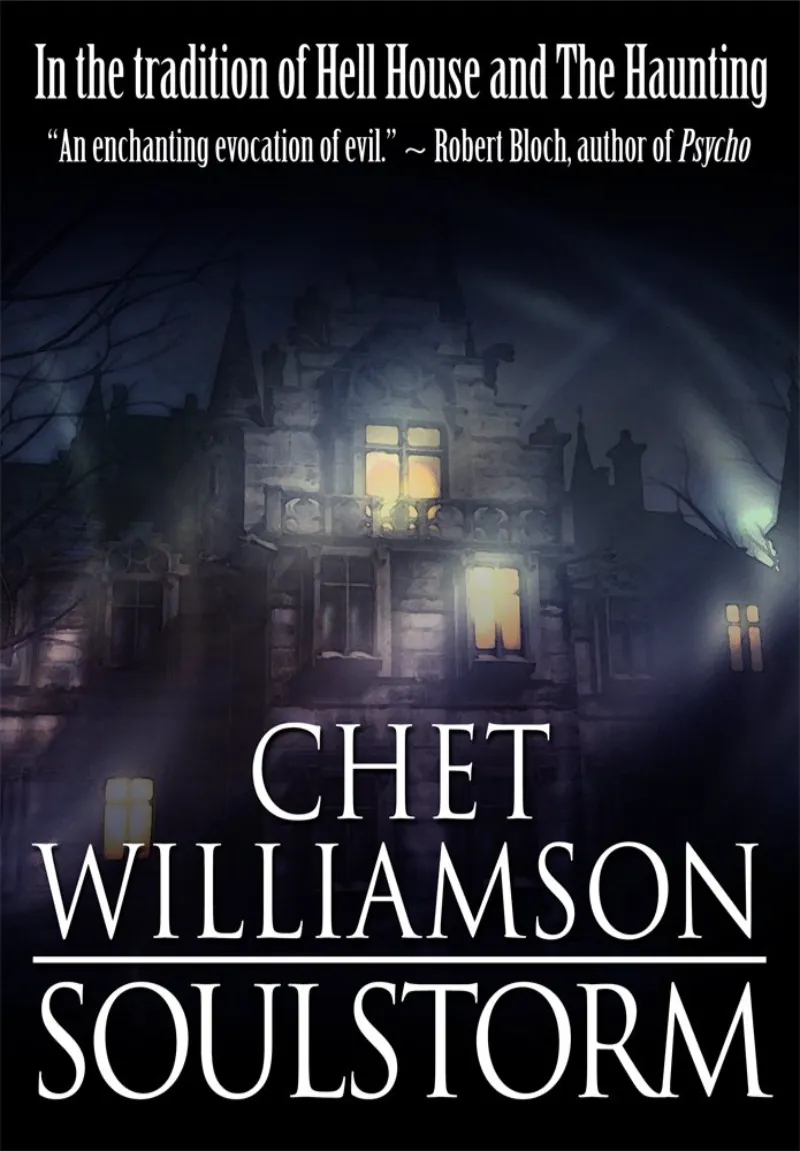
Soulstorm was my first novel, and its “researchers trapped in a haunted house” theme was fairly formulaic, though I tried to ring enough changes on it to make it seem fresh. Ash Wednesday, with its basic idea of naked, semi-transparent, and unmoving ghosts, came out of my desire to write a passive horror novel, in which the action would come about merely through the presence of these phantasms, and nothing that they themselves did.
Both books were sold at the same time to Tor Books, and they were very enthusiastic about both.
You collaborated with your wife on the book Murder Old and New. What was the writing process? Did you two write separately?
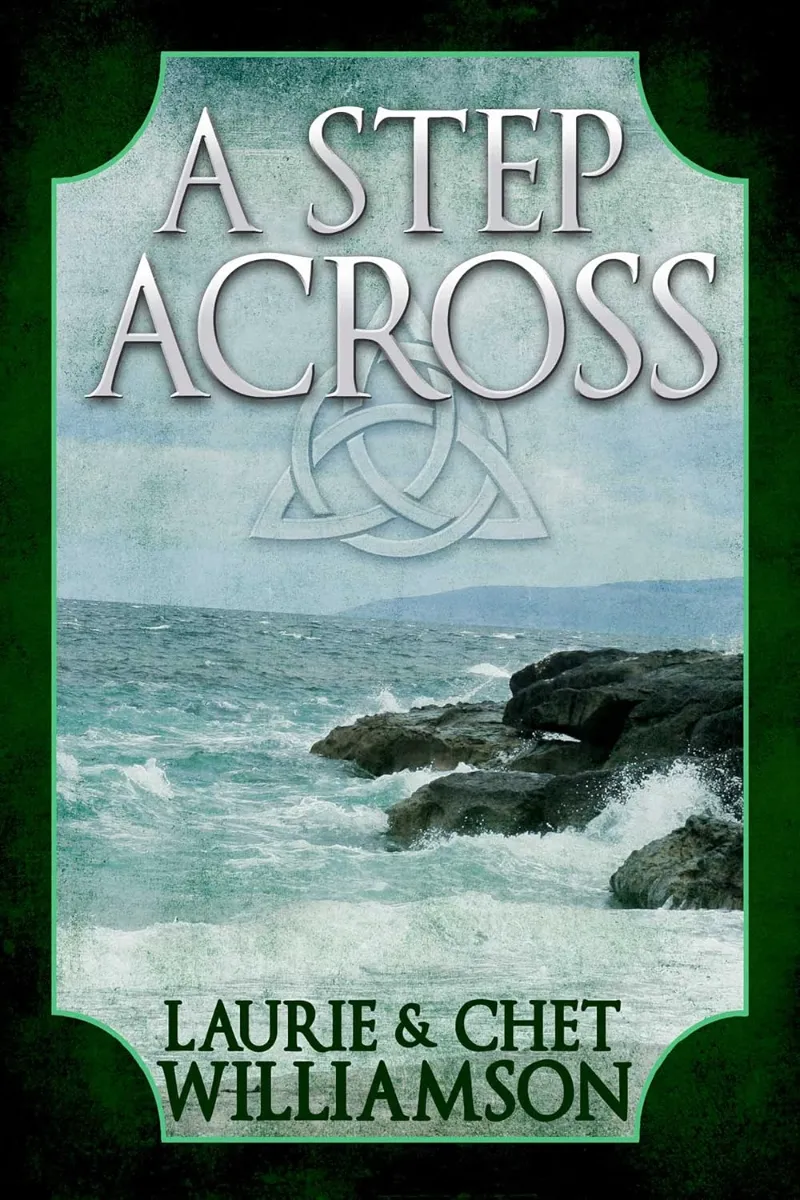
We’ve done two books together, really—A Step Across (a romance/thriller) is the other. We plotted and outlined together. I would then do the first draft, Laurie would edit and make suggestions, and I’d do the rewrites.
What scared you as a child and what scares you now?
Hags. Witchy, scary, long-haired old women. Perhaps it’s the experience of having old ladies coochy-coochy one as a baby, but the things that terrified me in films were the blind old lady in House on Haunted Hill, Mrs. Bates in Psycho, the banshee in Darby O’Gill and the Little People, the skull-faced voodoo queens in the Macumba Love posters. Maybe that’s why I enjoy The Nun and films of that ilk today.
What is your method for writing? Do you write outlines, then the story?
Absolutely. I am an outliner. Character is number one for me, and then structure. For me the ideal ending is surprising but inevitable, and you can’t create that without a sound idea of where you want to take the reader throughout the story.
As an actor, what would be your dream role?
At my age, probably King Lear, although my memory isn’t what it used to be regarding lines. Maybe Sweeney Todd. I think I could still handle it vocally.
How do you feel about censorship?
Loathe it.
Are there any books or media you think need censoring?
No.
You acted in the film adaptation of Christmas with the Dead, a Joe Lansdale story. How did the project come to your attention, and how was the experience?
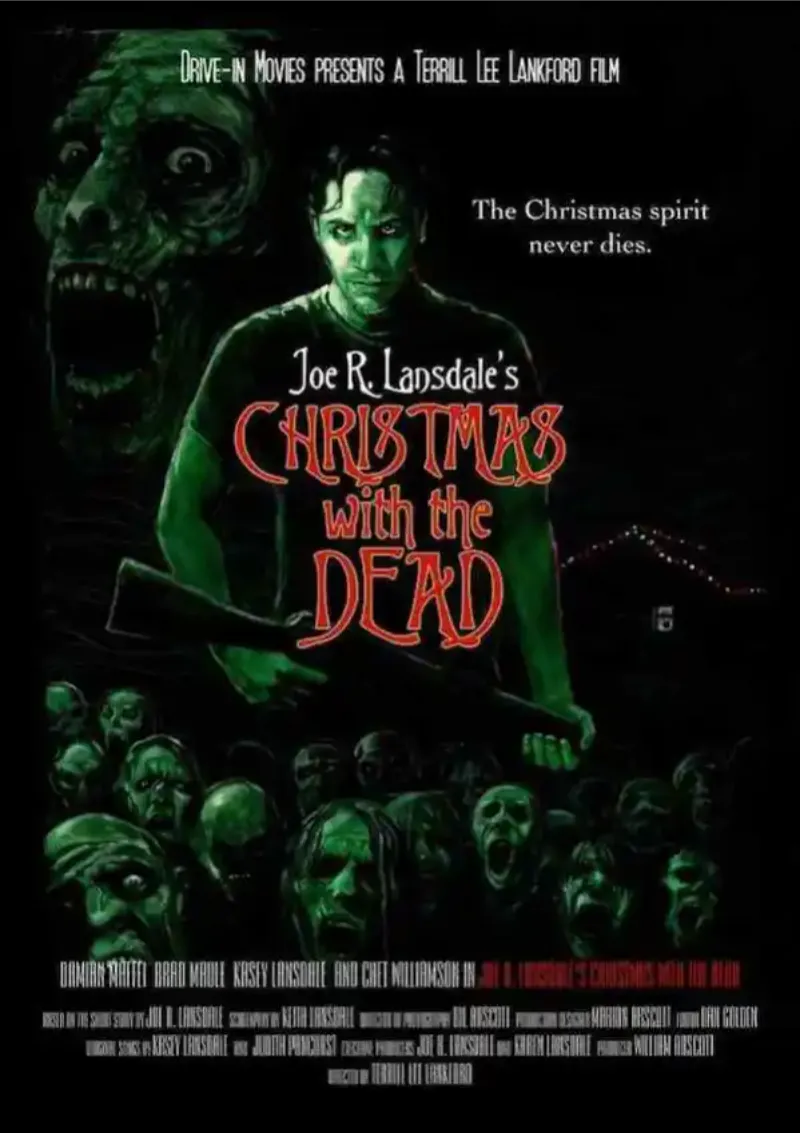
Joe and I have been friends since way back. He was producing the film, thought I’d be good for the role, and I sent in a video audition. It was great fun hanging for a week in Nacogdoches with Joe and Kasey and Lee Lankford, the director, and the whole cast and crew. The heat was horrendous, even when we shot at night, and I actually tore something in my throat when I was screaming while getting eaten by the zombies—but it healed fine.
Who would you say shaped your outlook on life?
My mom and dad, primarily. They were good, honest people, treated each other (and me) lovingly, and set me a good example for life. In more recent years, Laurie, my wife, who’s taught me how to relax and not take everything so seriously. Her love never lessens.
You’re also an excellent audiobook narrator. Have you ever been approached with material you couldn’t do for any reason?
Sure. With self-publishing the way it is, the absolute worst crap can get into print, and the authors figure if they’re in print, why not audio? Honestly, a great deal of this stuff shouldn’t be in print in the first place, and when you hear it read aloud, it becomes even more clear.
Why do you think horror is an important genre of literature, and where do you think the genre is headed in the future?
Honestly, I don’t know. The genre of horror seems more important (and entertaining) in film and television than it does in literature. So much has changed for the worse in publishing in general, and to be honest, I’ve read (and written) so much horror over the years that I hardly read new horror at all. So much of it strikes me as variations on themes that I’ve read over and over. It doesn’t delight and engage me the way reading other things does, and at my age I want to be constantly delighted and engaged. That’s already hard to do in this particular sociological and political environment.
Thank you, Chet, for doing the interview. What’s next for you?
I’ve written pretty much everything I’ve wanted to write, although there’s a half-finished novel that maybe I’ll get back to someday. I’ve also been writing some comic dialogue for a new computer game that my son is working on in Japan, so the gag writing continues! I’ll continue to narrate audiobooks, though I’ve really cut back on that this year, due to the previously mentioned social environment and the fact that I’ve been getting together my writing archive, which has been acquired by a major university collection. It’s taken a long time to go through fifty years’ worth of stuff.
Mostly, I intend to listen to a lot of good music, see a lot of good films and TV, and read a lot of good books.
Would you like to know more?
Date Modified: 12-13-2025