

La Befana, the Christmas Witch
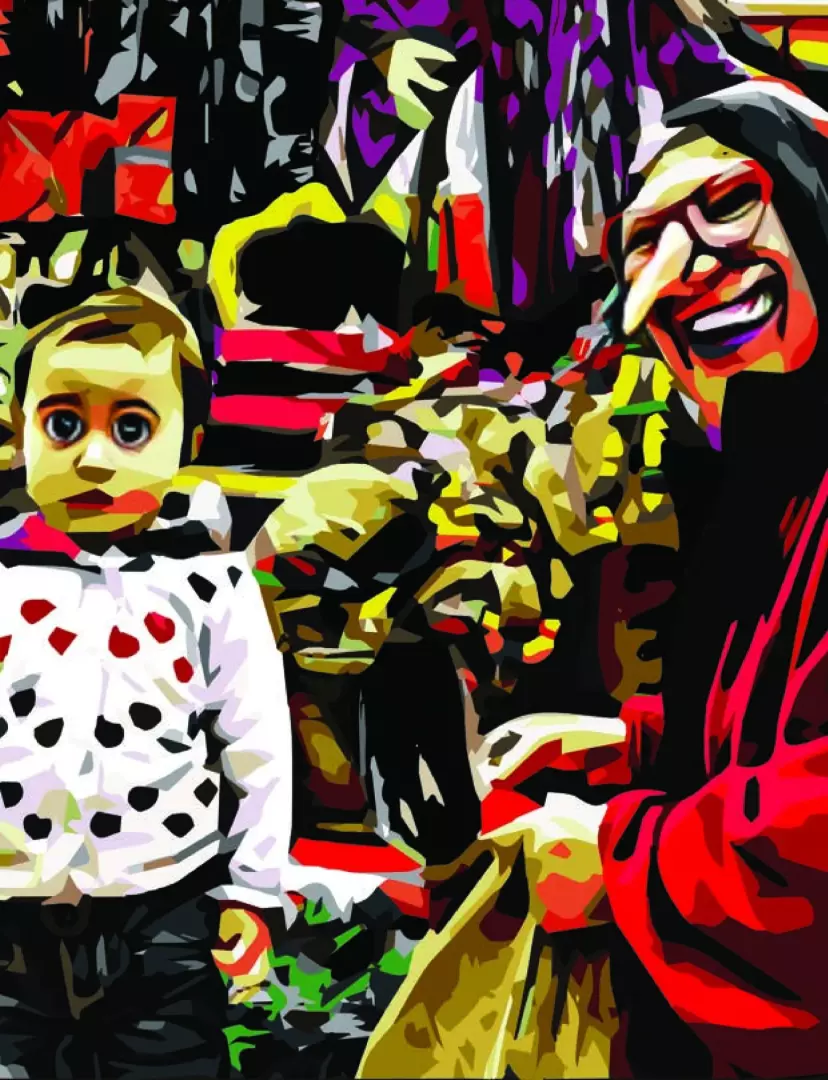
The Befana Comes at Night
Traditional Poem (English Translation)
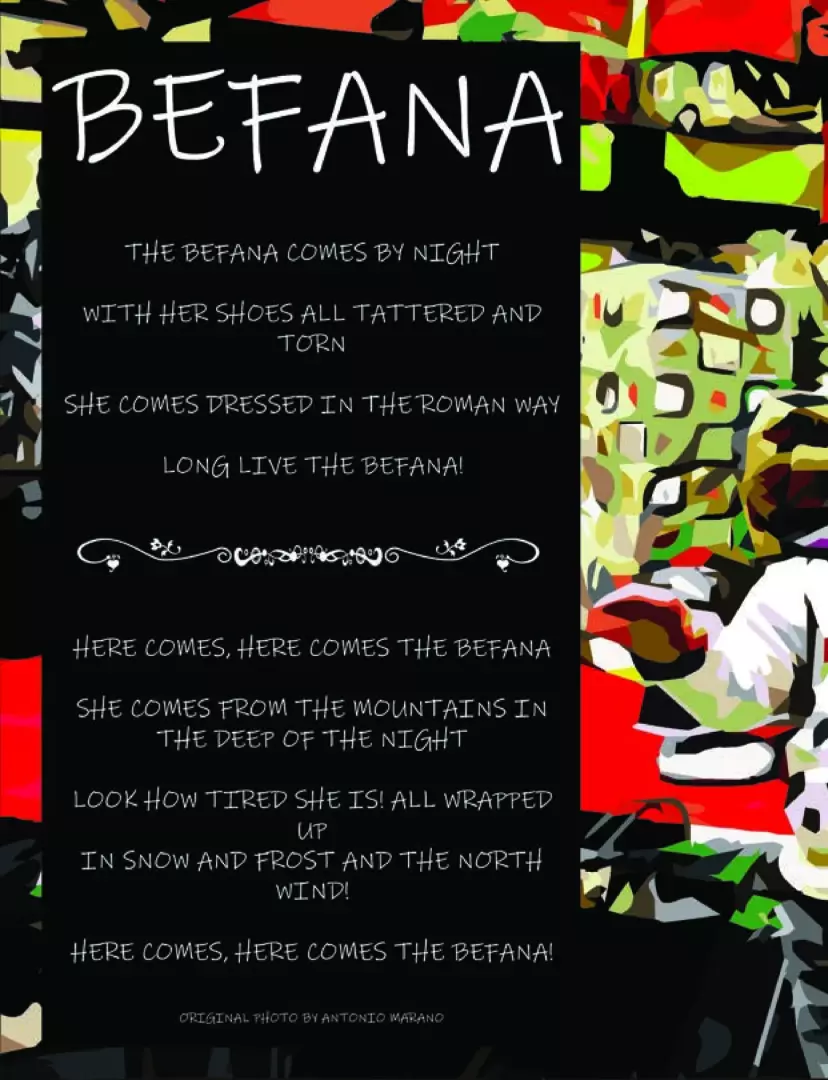
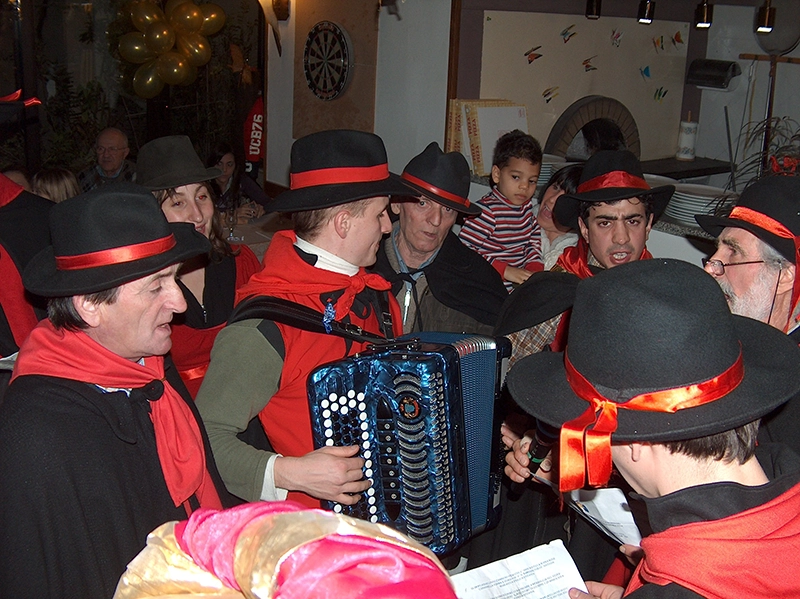
The Befana comes by night
With her shoes all tattered and torn
She comes dressed in the Roman way
Long live the Befana!
Here comes, here comes the Befana
She comes from the mountains in the deep of the night
Look how tired she is! All wrapped up In snow and frost and the north wind!
Here comes, here comes the Befana!
Italy’s Most Magical Holiday: Meet La Befana, the Christmas Witch
Sure, every country has its own way of turning winter into a glitter-covered stress marathon, but Italy? Italy stretches the festivities well past Christmas and New Year’s like a relative who refuses to leave. The real finale hits on January 6th with the Feast of the Epiphany, when an old woman hops on her broomstick to drop candy (or coal if your year was “character-building”) into stockings.
Her name is La Befana, and she’s been zooming around Italian folklore longer than most countries have been countries.
A Peek Into an Italian Holiday Tradition
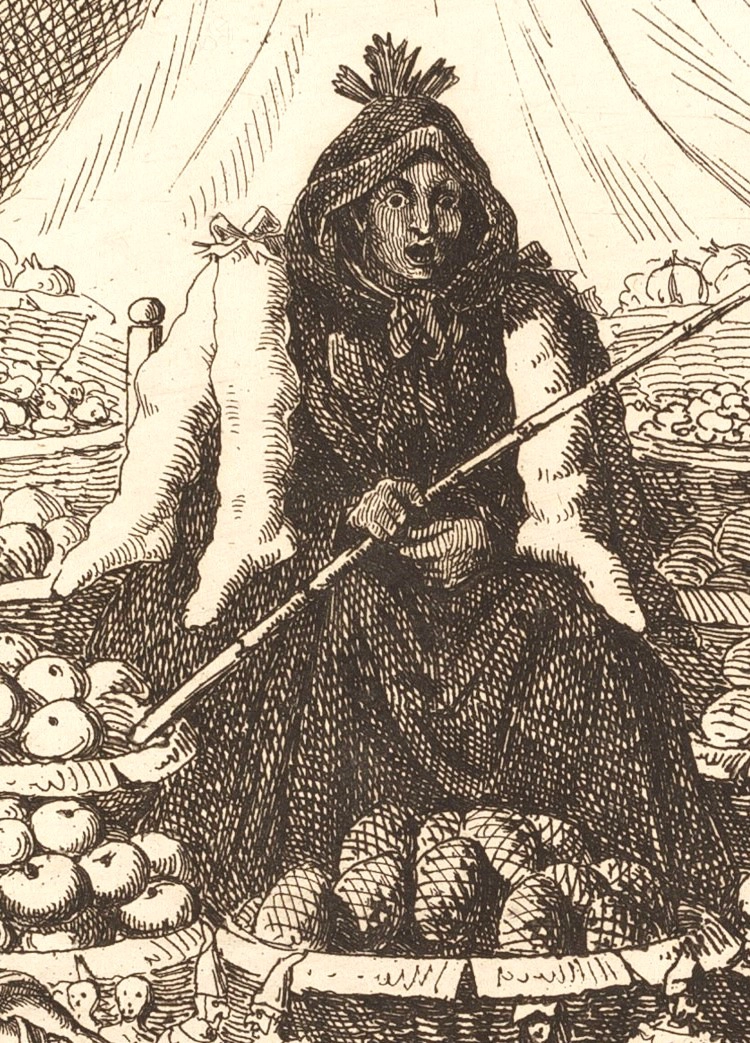
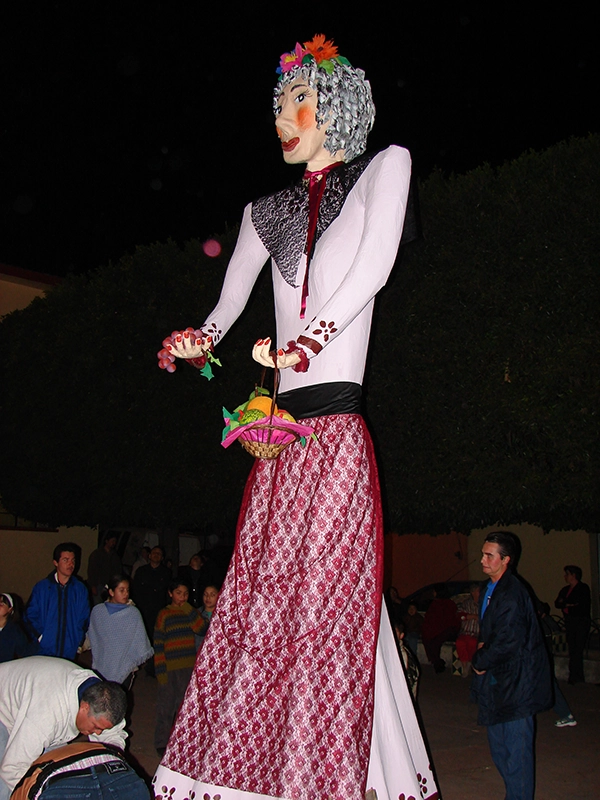
La Befana is not your cartoon-crone witch with the wart and the malicious laugh. Think: everyone’s favorite old aunt who smells like biscotti and judgment. She sports patched clothes, a cozy shawl that has seen centuries of gossip, and a face smudged with chimney soot because—unlike Santa—she does not outsource.
On the night of January 5th, she lands on rooftops, wiggles down chimneys, and fills stockings based on how well kids behaved:
- Good kids: candy, sweets, maybe a toy
- Bad kids: coal (usually the edible kind nowadays)
It’s part magic, part mischief, and 100% Italian.
So, Who Is La Befana?
Her origin story is tied to the biblical Three Wise Men, who apparently stopped for directions like responsible travelers. According to legend:
- The Magi show up at Befana’s home, tired, dusty, and probably lost.
- She offers hospitality because that’s who she is: the patron saint of “I made too much food, please eat.”
- They invite her to join their quest to meet baby Jesus.
- She says no, because housework won’t do itself.
- Immediately regrets it (relatable).
Trying to fix her cosmic-level FOMO, she packs gifts and sets out to find the Christ child. Spoiler: she never does. Now she travels the world leaving presents for any kid she finds—just in case one of them is the one she missed.
It’s a touching tale of the ancient art of overcompensation.
How Italians Celebrate La Befana Today
The Epiphany is not just a holiday in Italy—it’s the grand finale of the holiday season, the fireworks after the fireworks.
1. Befana Markets
Rome’s Piazza Navona turns into a magical carnival of candy, puppets, toys, and a surprising number of people dressed as elderly broom-riding women. Christmas, but make it witchy.
2. Parades & Public Fun
Venice, Florence, Rome—you name it, there’s a parade. Rome even has a squad of firefighters reenact La Befana’s “descent” from a historic building near the Vatican. No one knows why, but it’s fantastic.
3. Cozy Family Traditions
Kids hang stockings on January 5th, and they leave Befana snacks—usually fruit and a glass of wine, because this witch has standards. In the morning, they find sweets, and for many families, it’s the bittersweet moment when Christmas decorations finally come down.
Why La Befana Still Matters
Sure, Santa gets all the global PR, but La Befana brings something different: a vibe. She’s humble, warm, magical, slightly chaotic, and a walking reminder that even if you make mistakes (like turning down the Magi when they ask you on the road trip of the millennium), you can still do something beautiful.
Her broom might not be a sleigh, but her message is timeless:
Be kind. Give generously. And try again, even if you got soot on your face the first time.
One Last Thought
La Befana isn’t just a quirky character—it’s how Italy ties together faith, folklore, and the everyday magic that sneaks into life when you’re not looking. Even after Christmas lights dim and the panettone crumbs disappear, she swoops through the night reminding everyone that wonder doesn’t fit neatly into a calendar.
Sometimes it arrives on a broom. One chimney at a time.