

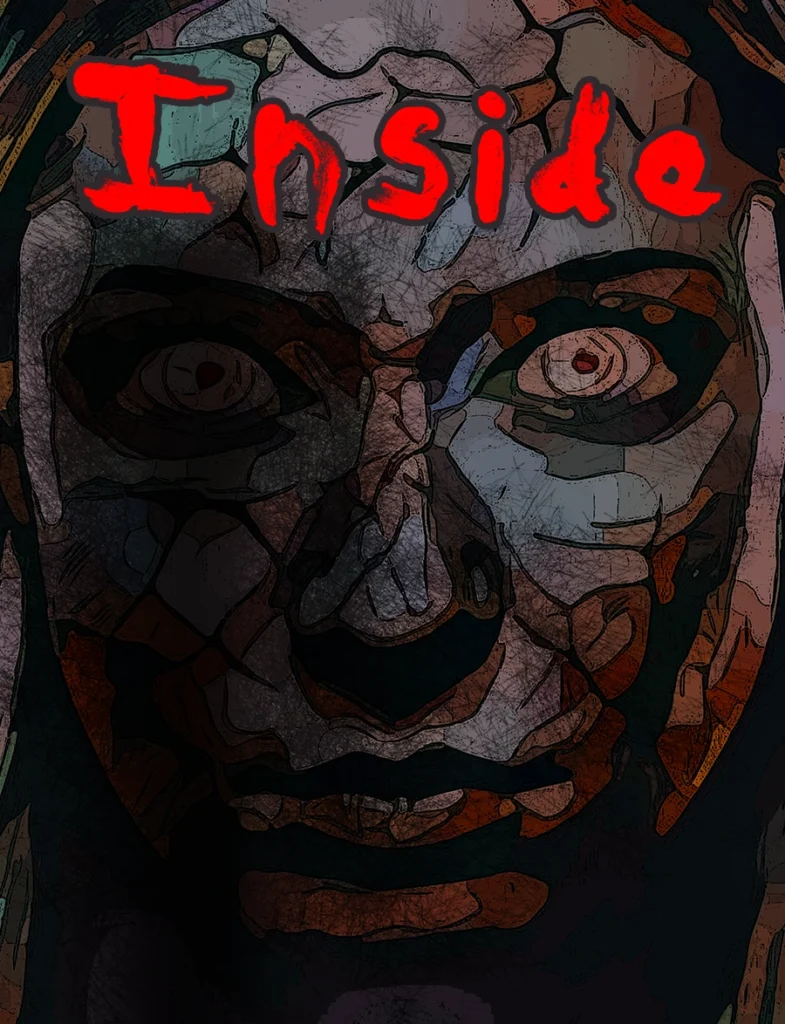
 Inside by Laura Tilly Moss
An unseen entity shadows the life of its host, growing stronger as he weakens.

Psychological stories delve into one of humanity’s most fascinating frontiers — the human mind. These narratives aren’t just about events; they’re about motives, fears, desires, and internal conflicts that define who we are. Whether it’s a chilling short story that exposes madness or a reflective essay on identity, psychological storytelling pushes readers to question their perceptions and moral compass.
In a world where emotions often drive our choices more than reason, literature becomes a mirror. Through psychological articles and fiction, we see the hidden parts of ourselves — the repressed memories, the moral gray zones, and the quiet chaos of thought. These stories invite us to journey inward, exploring the fragile boundaries between sanity and madness, love and obsession, truth and delusion.
Humans have an innate curiosity about what makes people tick. From ancient myths to modern thrillers, our fascination with the inner workings of the mind is timeless. Psychological literature thrives on uncertainty — it blurs the line between reality and perception, forcing readers to interpret emotions, intentions, and actions.
We read such stories not just to escape reality, but to understand it better. When we step into the mind of a conflicted protagonist, we experience empathy at its rawest. It’s the thrill of watching characters unravel — and in their unraveling, recognizing pieces of ourselves.
Psychological fiction has deep roots in 19th-century literature. Fyodor Dostoevsky, for instance, pioneered complex character studies in novels like Crime and Punishment and The Brothers Karamazov. Around the same time, Sigmund Freud’s theories on the unconscious mind and repression began shaping literary analysis and storytelling methods. Writers started viewing characters not as symbols, but as psychological beings driven by inner conflict.
Contemporary authors build upon that foundation by incorporating cognitive science, behavioral studies, and trauma research into their writing. Books like Gone Girl or The Silent Patient fuse suspense with psychology, exploring unreliable narration and identity crises. These works mirror society’s evolving understanding of mental health, showing that even our darkest thoughts can become art.
Here’s a selection of timeless and modern tales that define the psychological genre.
A haunting exploration of guilt and madness, Poe’s story captures the human obsession with hiding the truth — even from oneself. Its claustrophobic tone mirrors the narrator’s crumbling psyche.
A feminist psychological classic that portrays the descent into psychosis caused by societal repression. Gilman’s narrative doubles as a critique of gender roles and medical gaslighting.
This disturbing tale examines collective psychology and conformity. Jackson shows how social pressure can normalize cruelty.
A philosophical exploration of morality, violence, and redemption, revealing the dual nature of human goodness and evil.
We remember psychological stories because they touch the primal parts of our brain. Fear, empathy, and introspection activate regions responsible for emotional processing and learning. When a story mirrors our struggles — guilt, love, control, or madness — it creates a neural echo that lingers.
These stories become personal experiences rather than distant readings. The mind, after all, loves patterns — and psychological literature teaches us to find meaning in the chaos of thought.
1. What defines a psychological story?
A story that centers on inner conflict, motives, and emotions rather than external action.
2. Why are psychological stories so impactful?
They engage both intellect and emotion, revealing hidden aspects of human nature.
3. Who are some famous authors of psychological literature?
Edgar Allan Poe, Dostoevsky, Shirley Jackson, and modern writers like Gillian Flynn and Ottessa Moshfegh.
4. What are the best psychological podcasts or dramas?
Try The Magnus Archives, Welcome to Night Vale, and Limetown for gripping psychological audio storytelling.
Psychological stories and articles remind us that understanding others begins with understanding ourselves. They challenge our empathy, perception, and sense of morality — making every reading a psychological experiment of its own.
Whether through the trembling heart of Poe or the quiet defiance of Gilman, the genre continues to evolve, teaching us that the mind remains the most thrilling mystery of all.
Inside by Laura Tilly Moss
An unseen entity shadows the life of its host, growing stronger as he weakens.
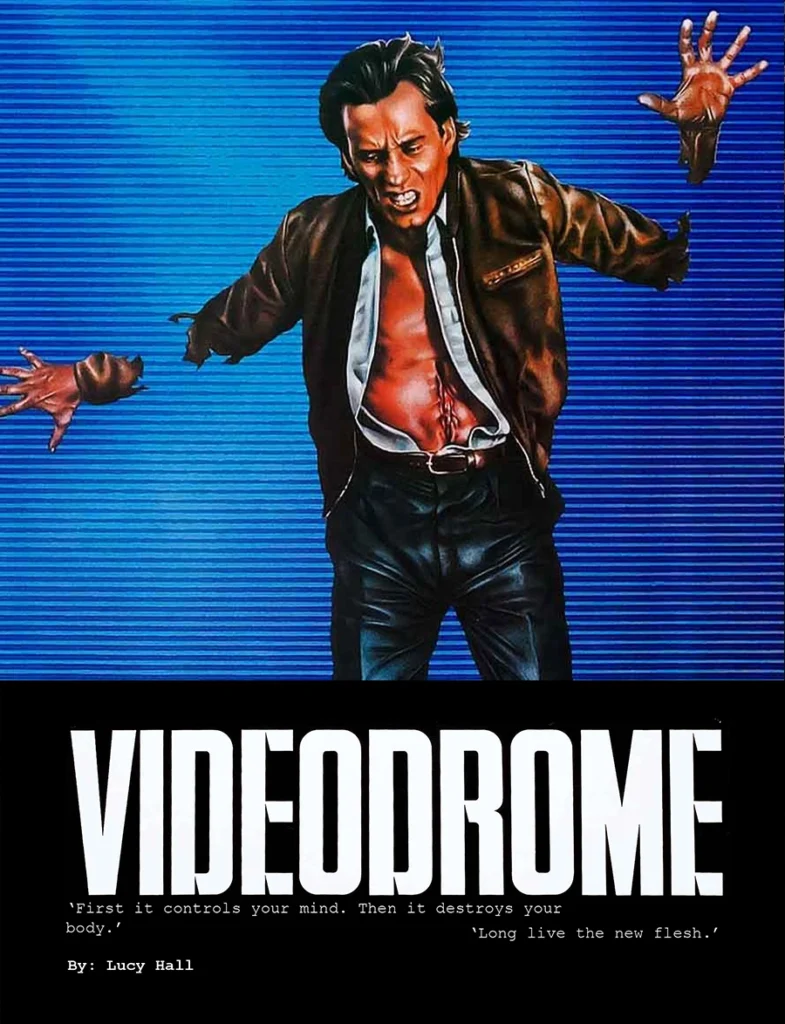 Videodrome (1983) Review by Lucy Hall
Dive into the eerie world of “Videodrome,” a chilling tale where technology blurs the lines between reality and television.
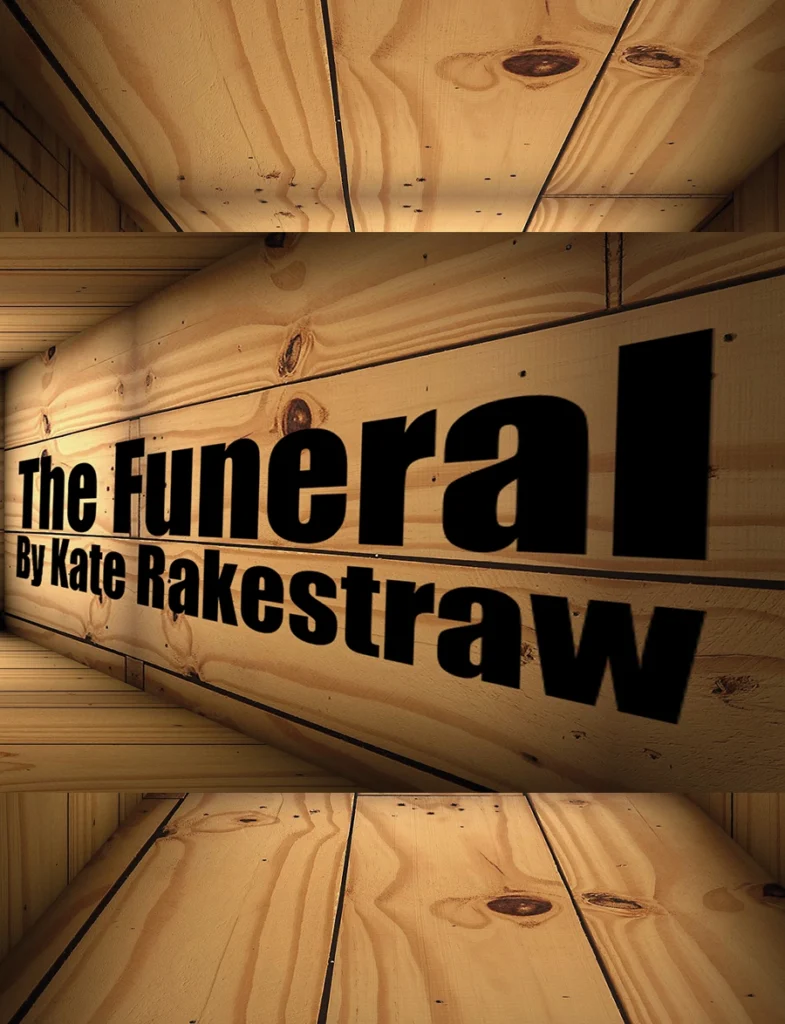 The Funeral By Kate Rakestraw
When a family gathers to say goodbye to Aunt Franny, a shocking mix-up at the morgue sends tensions and absurdities soaring. Join the bewildered family as they navigate through misplaced bodies, unshed tears, and unexpected guests, all while trying to maintain decorum in the face of the absurd.
 Dead Airwaves Episode 6: Headlights
Goya’s jealousy fuels a dark pact of art and betrayal. A chilling short audio story of war, vengeance, and seduction awaits.
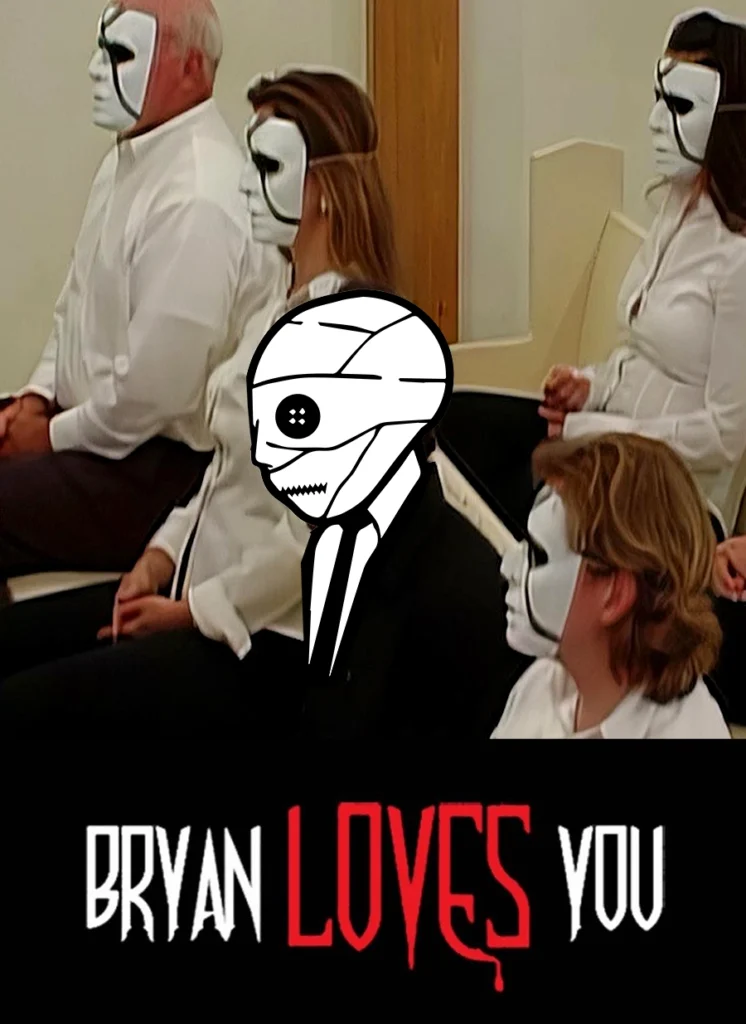 Bryan Loves You (2008)
In the early 1990s, a 32-year-old psychotherapist began to suspect that his small Arizona community was being taken over by a homicidal religious cult known as “The Bryans”. The psychotherapist’s entire ordeal was captured on camcorder footage and security tapes. They are the video musings of a highly disturbed young man. This is what was recovered.
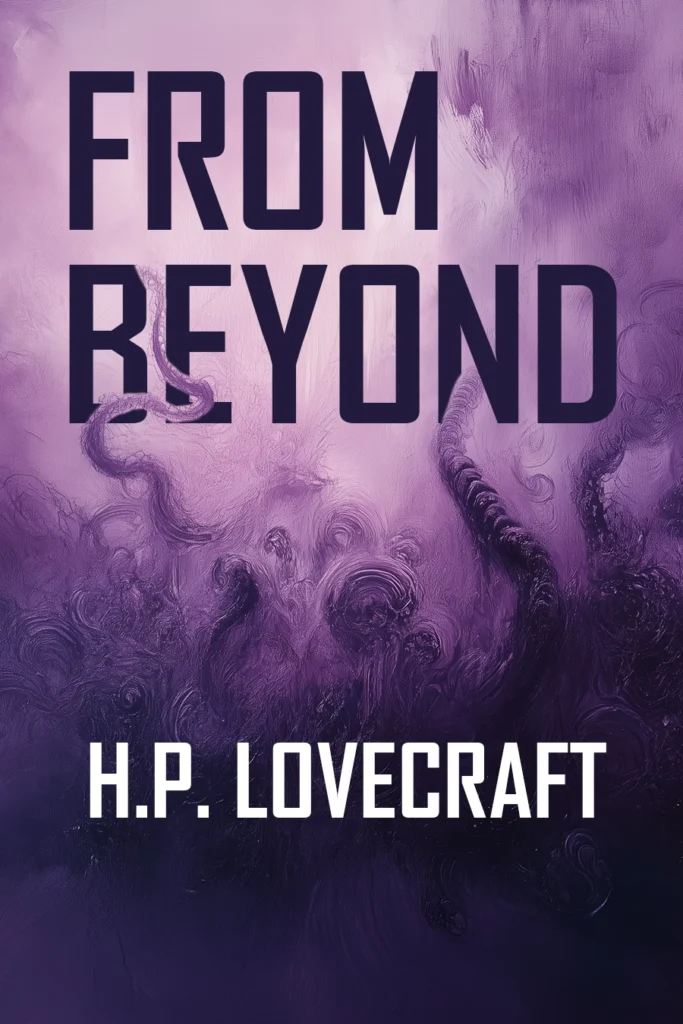 From Beyond by H.P. Lovecraft
Crawford Tillinghast, once a respected scientist, has become a mad prophet, obsessed with his terrifying new invention—a device that stimulates the pineal gland and reveals unseen dimensions.
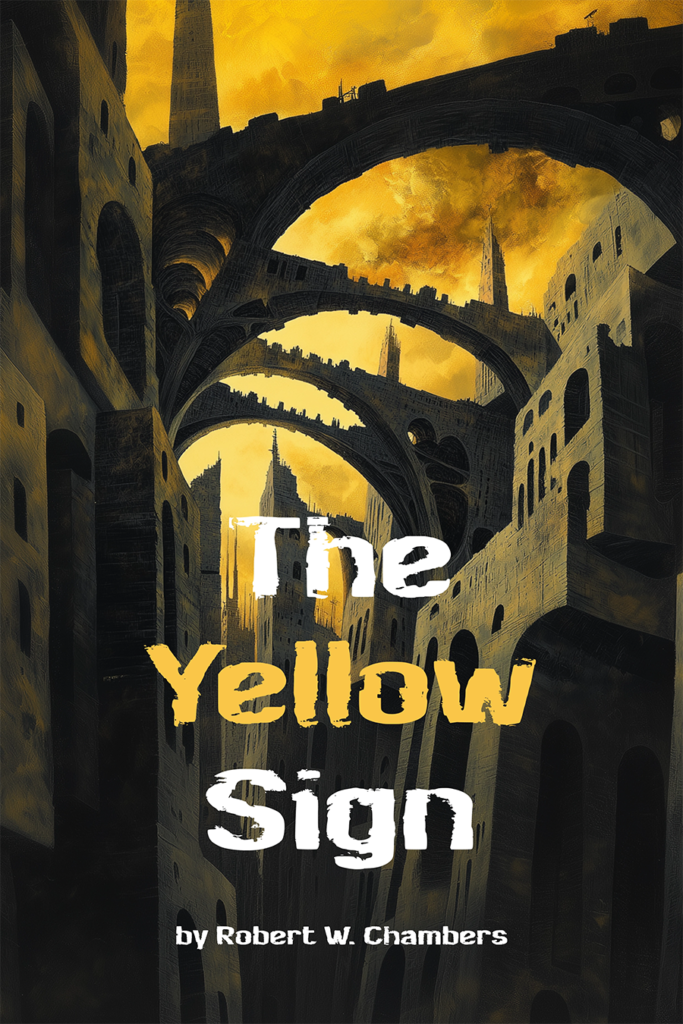 The Yellow Sign by Robert W. Chambers
A doomed artist, a mysterious symbol, and a grotesque, deathly figure lurking in the shadows—The Yellow Sign is a tale of creeping madness that blends psychological dread with supernatural horror.
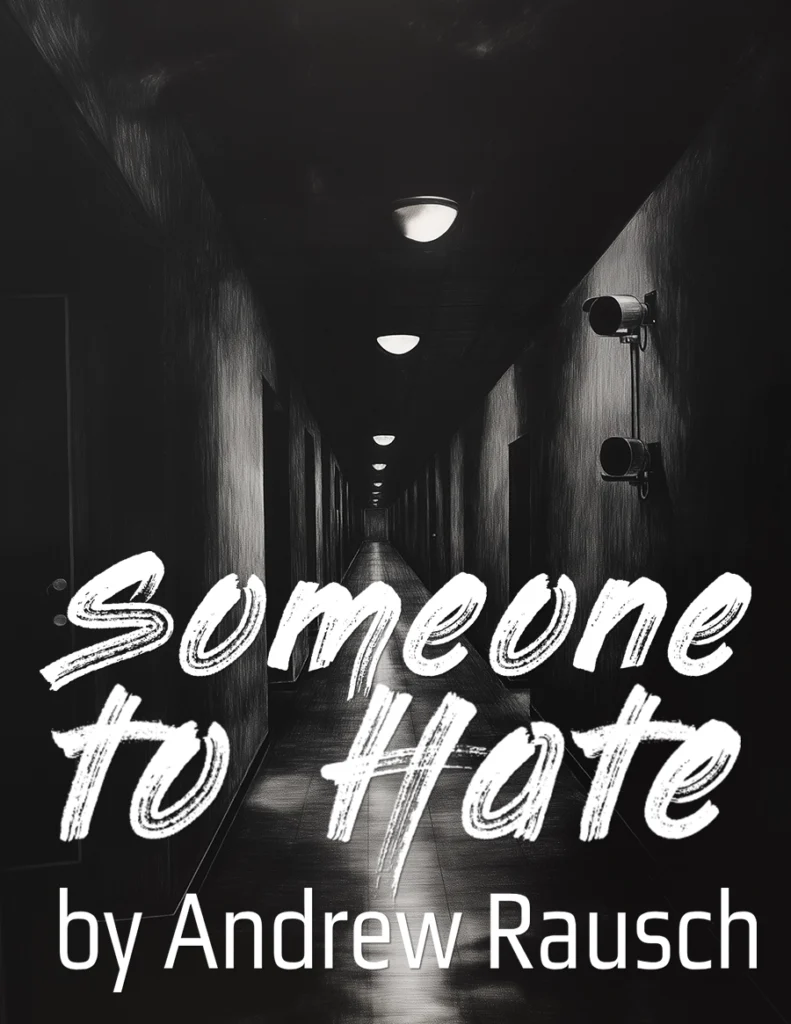 Someone to Hate by Andy Rausch
When a group of the nation’s most deeply prejudiced men is forcibly transformed in a secret government experiment, their worlds are turned upside down.
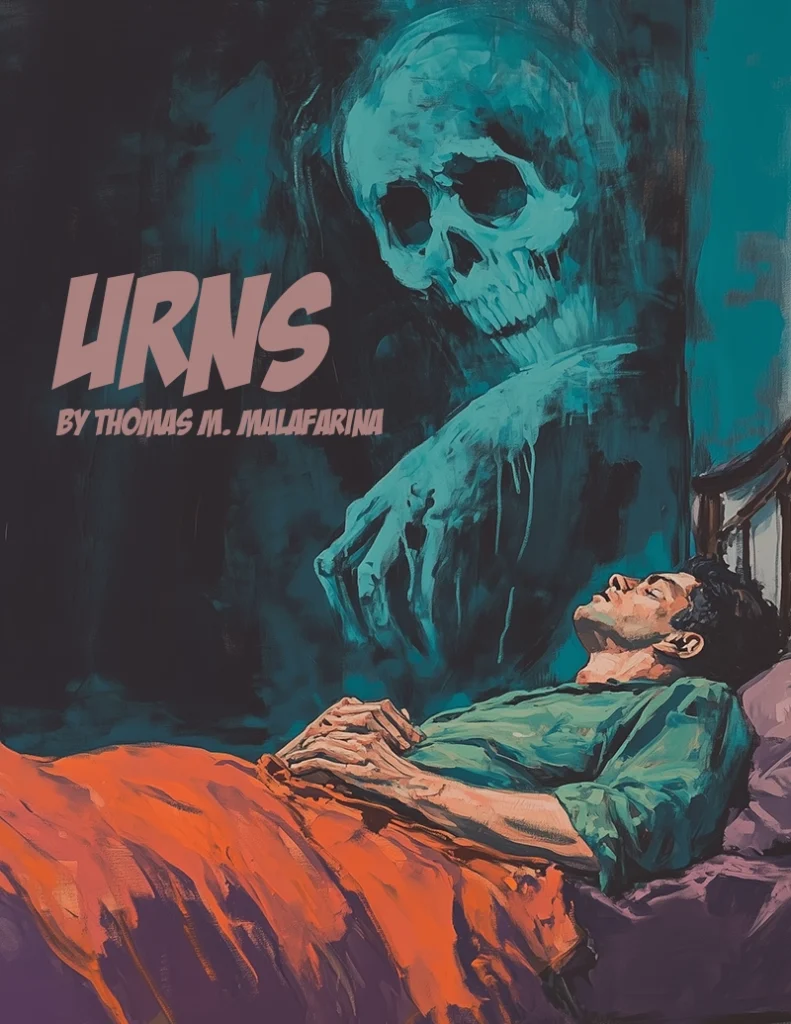 Urns by Thomas M. Malafarina
A habitual bargain hunter proudly brings home a $500 SUV from an auction, a surprising “great deal.” However, his wife discovers two funeral urns filled with ashes in the vehicle’s trunk.
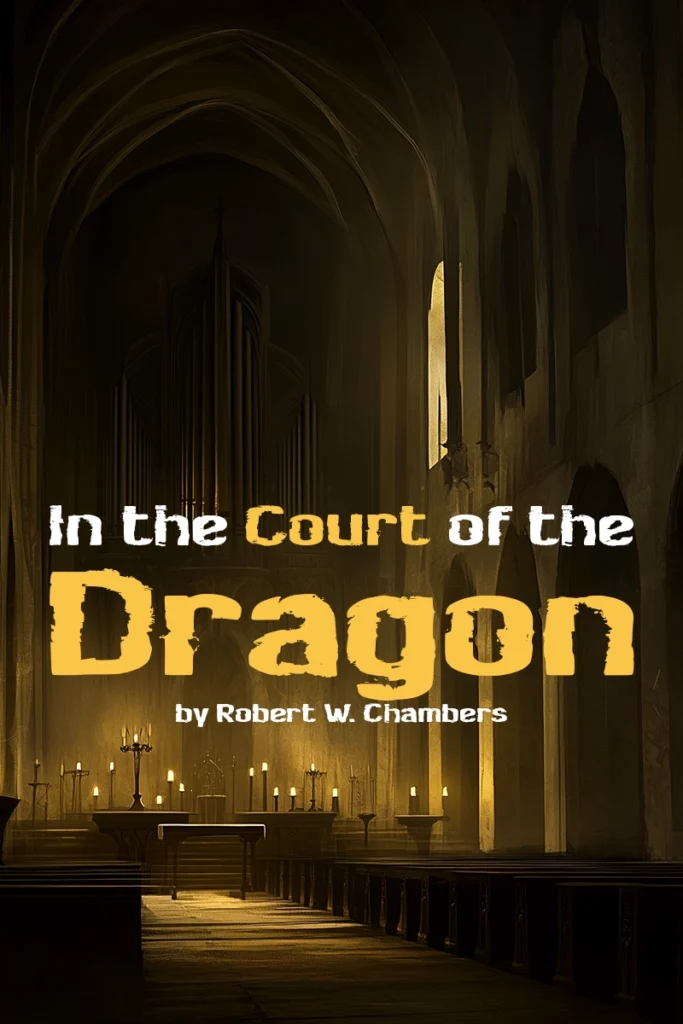 In the Court of the Dragon by Robert W. Chambers
A man attends vespers at the Church of St. Barnabé, hoping for solace after days of mental anguish—an anguish worsened by reading The King in Yellow, a forbidden play known to unravel minds.
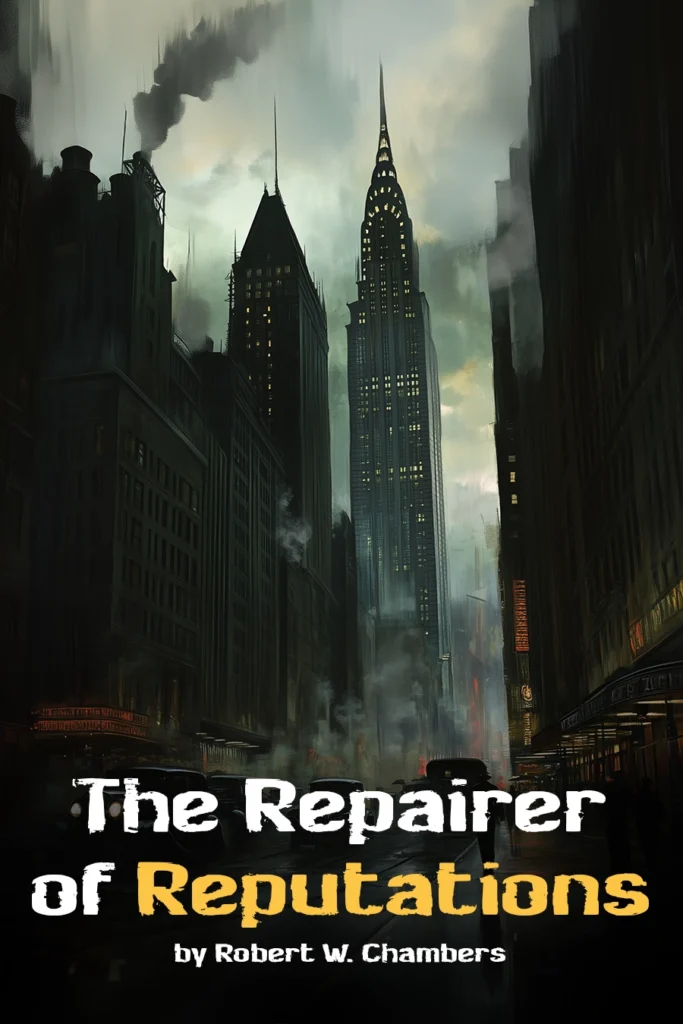 The Repairer of Reputations by Robert W. Chambers
A man recently released from an asylum after a head injury, believes he is destined to rule the world.
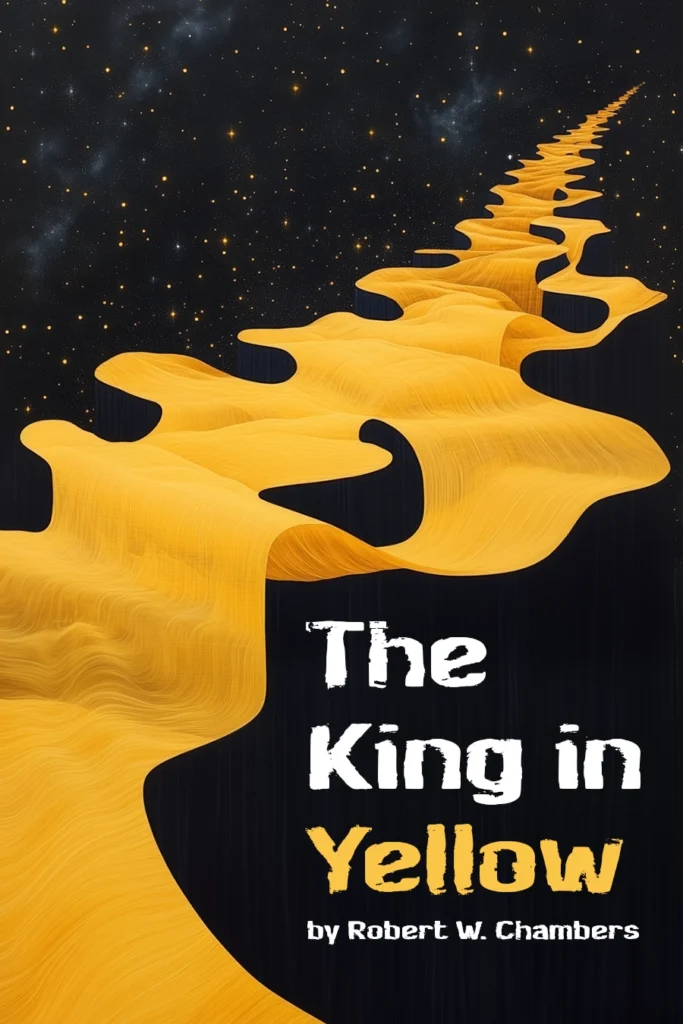 The King in Yellow by Robert W. Chambers